

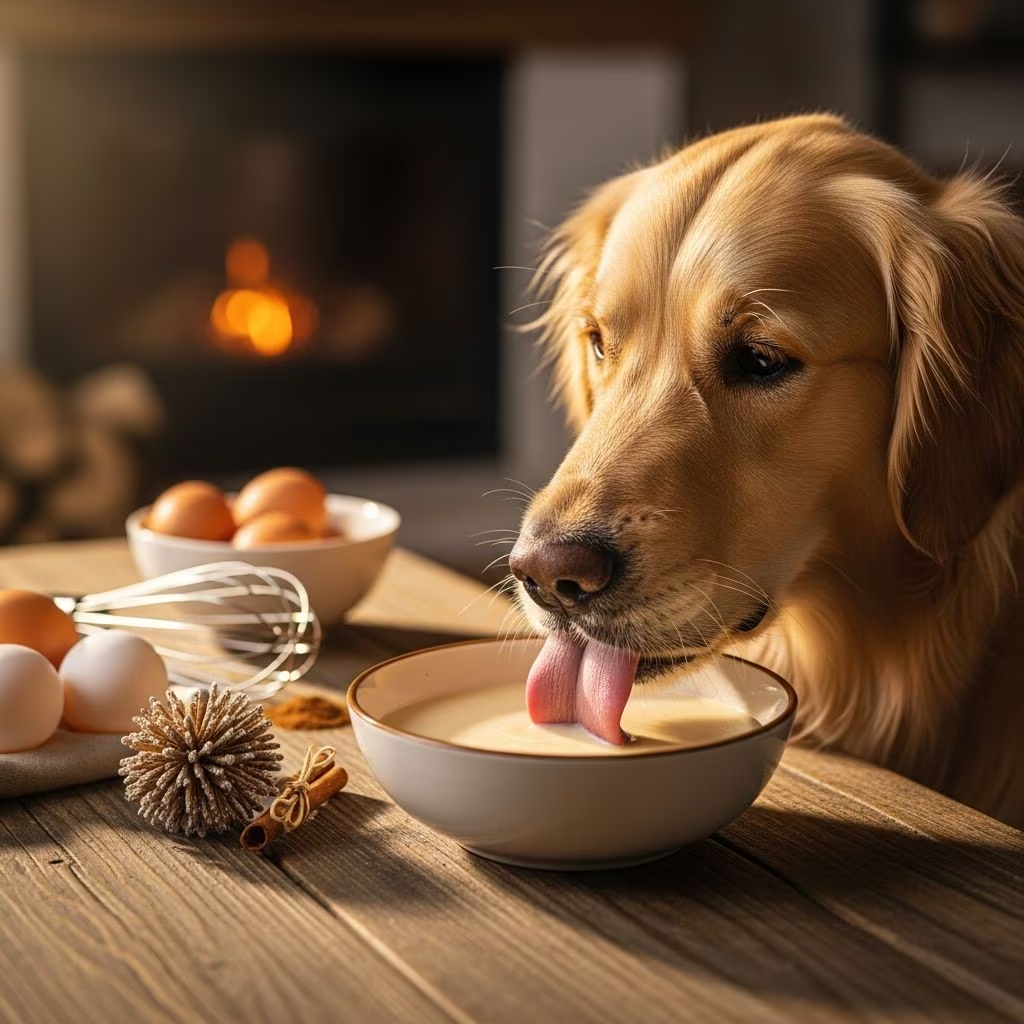
How to Make Eggnog for Dogs: A Holiday Treat Your Pup Will Love
The holiday season is a time for celebration, and what better way to include your furry best friend than with a special dog-friendly eggnog? While traditional eggnog contains ingredients that aren’t safe for dogs—such as alcohol, excessive sugar, and nutmeg—you can create a delicious and nutritious version that your pup will absolutely adore. This guide walks you through everything you need to know about making homemade dog eggnog, from basic recipes to important safety considerations.
Why Make Homemade Dog Eggnog?
Commercial eggnog is designed for human consumption and contains ingredients that can be harmful to dogs. Many dogs are lactose intolerant, excessive sugar can lead to weight gain and dental problems, and alcohol is toxic to canines. By making eggnog at home specifically for your dog, you have complete control over the ingredients, ensuring that your pet receives a safe and wholesome treat. Homemade dog eggnog allows you to customize the recipe based on your dog’s preferences and dietary needs, making it a thoughtful addition to your holiday celebrations.
Essential Equipment and Ingredients
Equipment You’ll Need
Making dog eggnog requires minimal equipment. Most recipes call for basic kitchen tools that you likely already have on hand:
- Food processor or blender for mixing ingredients smoothly
- Measuring cup for precise ingredient portions
- Serving bowl for presenting the finished eggnog
- Your dog as the taste-tester!
Core Ingredients for Dog Eggnog
The foundation of dog-safe eggnog typically includes plant-based and dairy-free alternatives that provide the creamy texture and nutritional benefits dogs need:
- Unsweetened almond milk — provides a creamy base without excess sugar
- Coconut milk — adds richness and natural flavor
- Banana — delivers natural sweetness, vitamins, and potassium
- Medjool dates — supplies natural sweetness and fiber
- Cinnamon — adds traditional eggnog flavor (only Ceylon cinnamon, not cassia)
Basic Dog Eggnog Recipe
Simple and Easy Dog Eggnog
This straightforward recipe is perfect for beginners and takes just minutes to prepare:
Ingredients:
- 1/2 small banana, peeled
- 1 cup unsweetened almond milk
- ½ cup coconut milk
- 4 pitted and chopped Medjool dates
- Pinch of Ceylon cinnamon
Directions:
Place all ingredients in your food processor or blender and blend until the mixture reaches a smooth, creamy consistency. Serve immediately to your dog in their favorite bowl. This recipe creates a naturally sweet treat without any added sugars or artificial ingredients.
Alternative Dog Eggnog Recipes
Goat Milk Custard Eggnog
For a more decadent treat, try this recipe developed by certified canine nutritionists:
Ingredients:
- 6 eggs
- 8 tablespoons powdered goat milk
- 1/4 cup water
- 1/4 teaspoon Ceylon cinnamon
- 2 tablespoons pure maple syrup
Instructions:
Separate egg yolks and whites. Whisk the yolks until they lighten in color. Gradually whisk in the Ceylon cinnamon, maple syrup, and water. Slowly incorporate the powdered goat milk while whisking. Cool the custard, then refrigerate until chilled. Just before serving, beat the egg whites on high speed until stiff peaks form, then top the custard with a dollop of the whipped egg whites as “whipped cream.”
Banana and Goat’s Milk Blend
This simple variation offers a smooth, drinkable texture that many dogs enjoy:
Ingredients:
- 1 cup plain, unsweetened goat’s milk
- 1 ripe banana
- 1 tablespoon unsweetened applesauce
- 1/2 teaspoon ground Ceylon cinnamon
Instructions:
Place the peeled banana, goat’s milk, and applesauce in a blender. Add a pinch of cinnamon and blend until smooth. Pour into a bowl and serve a small portion to your dog. This recipe takes just 10 minutes to prepare and offers excellent nutritional value.
Yogurt-Based Holiday Dognog
Another festive option combines yogurt with seasonal ingredients:
Ingredients:
- 200 grams goat or sheep’s yogurt
- 1 egg
- 1/2 cup water
- Drizzle of honey (with no added sweeteners)
- Optional: dry kibble for garnish
Instructions:
Combine yogurt, egg, and water in a bowl. Blend until frothy. Pour into your dog’s bowl and garnish with a honey drizzle and a few pieces of dry kibble. Refrigerate leftovers but use within 24 hours, or freeze into molds for frozen treats.
Critical Safety Information
Ingredients to NEVER Use
Understanding which ingredients are toxic to dogs is essential for creating safe treats. Several common eggnog ingredients can seriously harm or even be fatal to your dog:
Nutmeg — Absolutely Prohibited
The most critical ingredient to avoid is nutmeg. Nutmeg contains a narcotic compound called Myristicin, which is highly toxic to dogs. Even small amounts can cause serious health problems. Symptoms of nutmeg toxicity include dangerously elevated heart rate, disorientation, seizures, hallucinations, and potentially fatal complications. Always use Ceylon cinnamon instead, which is safe and provides the traditional eggnog flavor without any toxins.
Alcohol
Never add any type of alcohol to dog eggnog. Alcohol is toxic to dogs and can cause intoxication, organ damage, and other serious health consequences.
Excessive Sugar and Dairy
While small amounts of natural sweeteners like dates or banana are acceptable, avoid recipes with added sugar or artificial sweeteners. Many dogs are lactose intolerant, so use lactose-free alternatives like goat milk or plant-based milks instead of regular dairy milk or cream.
Raw Egg Considerations
While dogs can technically eat raw eggs, there are important considerations. Raw eggs carry a risk of Salmonella contamination, which can cause food poisoning in dogs. If your dog is not accustomed to eating raw eggs, the holiday season is not the ideal time to experiment and risk digestive upset. Depending on where you live, raw eggs may pose health risks due to Salmonella concerns. If you choose to use eggs, ensure they are high-quality from a trusted source, or consider recipes that use cooked eggs instead.
Nutritional Benefits of Dog Eggnog
Each ingredient in dog eggnog provides specific nutritional advantages:
| Ingredient | Primary Benefit | Key Nutrients |
|---|---|---|
| Banana | Natural sweetness and healthy treat | Vitamins B6 and C, magnesium, potassium |
| Goat Milk | Digestive support and probiotics | Protein, calcium, probiotics (in some formulations) |
| Coconut Milk | Rich, creamy texture | Healthy fats, antioxidants |
| Almond Milk | Light dairy-free base | Vitamins E and D, calcium |
| Applesauce | Digestive health | Fiber, vitamin C, antioxidants |
| Dates | Natural sweetness | Fiber, potassium, antioxidants |
| Cinnamon | Flavor and anti-inflammatory | Antioxidants, antimicrobial properties |
Serving Tips and Storage Guidelines
Portion Control
Dog eggnog is a rich treat, so serve it in moderation. A small amount is sufficient for most dogs. The nutritionist recommendation is to treat this as an occasional indulgence, not a regular meal. Too much eggnog may cause digestive upset, particularly if your dog is not accustomed to rich foods. Always adjust your dog’s daily food allowance to account for treat calories and prevent weight gain.
Storage and Shelf Life
Refrigerate any leftover eggnog and use within 24 hours for food safety, especially if the recipe contains eggs. For longer storage, freeze the mixture into treat molds or ice cube trays. Frozen eggnog treats provide a refreshing snack and can last several weeks when properly stored in an airtight container.
Serving Suggestions
Serve eggnog at room temperature or slightly chilled, depending on your dog’s preference. Some dogs enjoy it immediately, while others prefer it ice-cold. You can also use it as a topper for regular kibble to make mealtime extra special during the holidays.
Customizing Recipes for Your Dog
Milk Alternatives
If your dog has sensitivities or allergies, you can customize the milk base. Swap almond milk and coconut milk for oat milk, powdered goat milk, or other dog-friendly alternatives. Some recipes use probiotic-enhanced goat milk powder specifically formulated for dogs, which adds the benefit of digestive support.
Protein Additions
For added nutritional value, some recipes incorporate peanut butter (ensure it’s xylitol-free), egg, or specialized dog-food powders designed for pets. These additions increase protein content and nutritional density.
Allergy Considerations
If your dog has a known dairy intolerance, avoid all dairy-containing recipes and stick with plant-based alternatives. Always consult your veterinarian before introducing new foods, especially if your dog has existing health conditions or dietary restrictions.
Important Precautions and Veterinary Consultation
Before introducing dog eggnog or any new treat to your pet’s diet, consult your veterinarian. This is particularly important if your dog has existing health conditions, digestive sensitivities, or is on a restricted diet. Your vet can provide personalized recommendations based on your dog’s age, size, weight, and overall health status. If you suspect your dog has an intolerance to dairy or any other ingredient, discontinue use immediately and seek veterinary advice.
Frequently Asked Questions
Q: Can dogs have regular human eggnog?
A: No. Traditional eggnog contains alcohol, excessive sugar, nutmeg, and dairy that can be harmful to dogs. Always use dog-specific recipes instead.
Q: Is nutmeg really toxic to dogs?
A: Yes, absolutely. Nutmeg contains Myristicin, a toxic compound that can cause serious neurological symptoms including seizures, hallucinations, and elevated heart rate. Never use nutmeg in dog treats.
Q: What’s the best milk alternative for dog eggnog?
A: Unsweetened goat milk is often preferred because it’s easier to digest and contains beneficial probiotics. Coconut milk, oat milk, and unsweetened almond milk are also good options.
Q: How often can I give my dog eggnog?
A: Dog eggnog should be an occasional treat, not a regular part of their diet. Serve it only during special occasions like the holidays.
Q: Can puppies have dog eggnog?
A: Consult your veterinarian before giving eggnog to puppies. Their digestive systems are still developing, and rich treats may cause upset stomach.
Q: Should I use raw eggs in dog eggnog?
A: Use caution with raw eggs due to Salmonella risk. High-quality, pasteurized eggs from trusted sources are safest, or choose recipes that don’t require raw eggs.
Q: Can I give eggnog to dogs with sensitive stomachs?
A: Dogs with digestive sensitivities may struggle with rich eggnog. Consult your vet and consider simpler recipes or withhold this treat entirely if recommended.
References
- How to Make Eggnog for Dogs — Chewy. 2024. https://www.chewy.com/education/dog/food-and-nutrition/pet-parenting-diy-recipes-how-to-make-dog-eggnog
- Eggnog for Dogs: A dog-friendly eggnog custard recipe — Carnos. 2024. https://carnos.com/eggnog-for-dogs-a-dog-friendly-eggnog-custard-recipe/
- Easy Peanut Butter and Eggnog Dog Treats — Wiggle Worthy. 2024. https://www.wiggleworthy.com/easy-peanut-butter-and-eggnog-dog-treats.html
- Doggy Eggnog Delight — Pamper Your Dog with this Delicious Recipe — Milk Shake the Pug. 2024. https://www.milkshakethepug.com/blogs/blog/how-to-make-dog-eggnog-recipe-safe-dog-recipe
- Christmas Dognog Recipe — BorrowMyDoggy. 2024. https://www.borrowmydoggy.com/doggypedia/recipaws-christmas-dognog
- Eggnog for Dogs: Exploring The Risks and Safety Tips — Diamond Pet. 2024. https://www.diamondpet.com/blog/health/sensitive-stomach/no-eggnog-for-dogs/
- Dog Nog — Two Adorable Labs. 2024. https://twoadorablelabs.com/dog-nog/



