

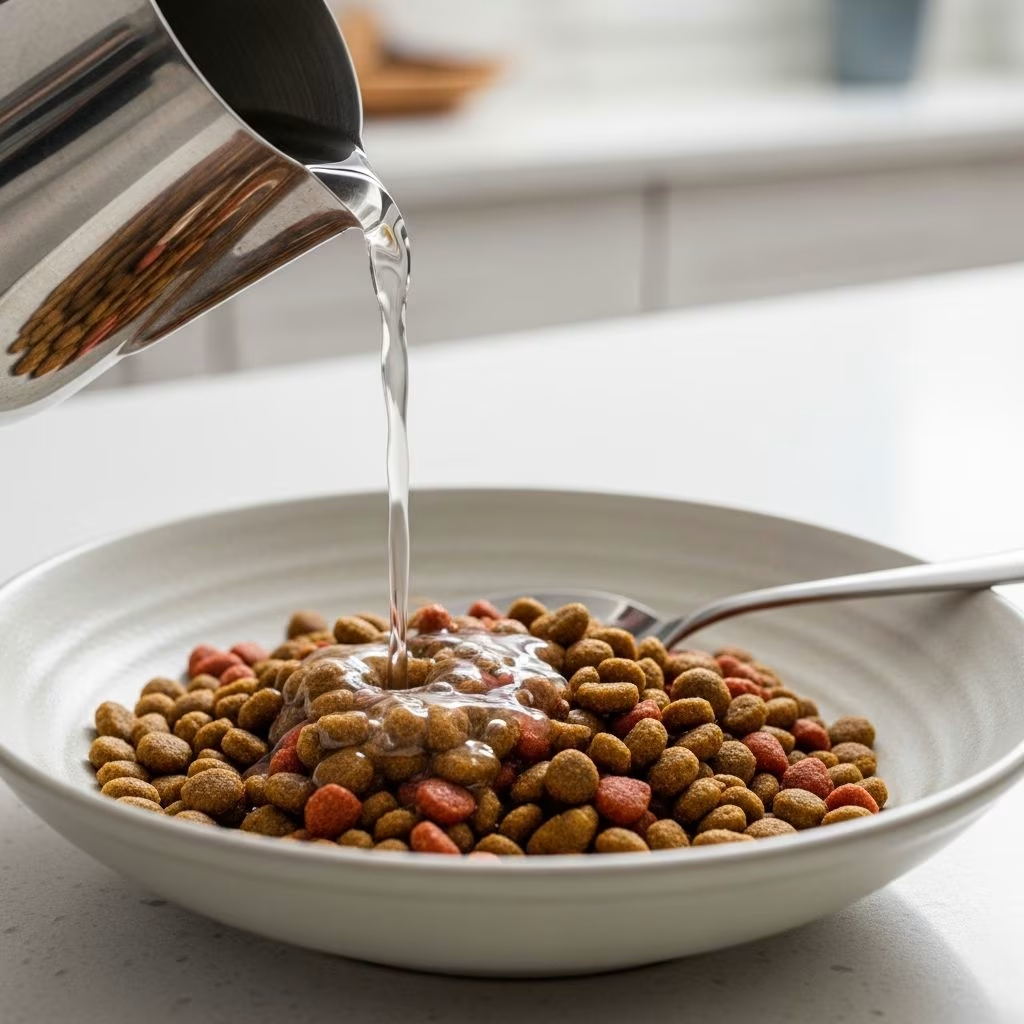
Many cat owners rely on dry kibble for convenience, but some cats struggle with its hardness due to dental issues, age, or low water intake. Softening dry cat food can improve hydration, palatability, and overall health while maintaining the benefits of kibble.
Dry cat food, or kibble, contains less than 20% moisture, making it shelf-stable but potentially challenging for cats with painful teeth or those who drink insufficient water. This guide covers why pet parents choose dry food and shares six veterinarian-recommended techniques to make it softer and more appealing.
Why Feed Dry Food?
Dry cat food offers practical advantages for busy owners and certain feline lifestyles, despite its lower moisture content compared to wet food (which has about 65-80% water).
Free Feeding Convenience
**Free feeding**, also known as grazing, allows dry kibble to stay out all day without spoiling, unlike wet food that must be discarded after a few hours per manufacturer guidelines. This is ideal for owners with long workdays or multiple cats, as felines can eat small amounts whenever hungry, mimicking their natural hunting patterns.
Automatic feeders and puzzle toys work seamlessly with dry food, promoting mental stimulation without refrigeration needs. However, monitor intake to prevent obesity, as constant access can lead to overeating.
Less Mess and Cleanup
Dry kibble creates minimal mess—even messy eaters who flick food are easy to clean up compared to wet food smears. With low moisture (under 20%), bacterial growth is reduced, allowing uneaten portions to sit safely for up to 24 hours.
Budget-friendly and widely available, dry food supports dental health in some formulas by scraping tartar during chewing, though regular brushing remains the gold standard.
| Pros of Dry Cat Food | Cons of Dry Cat Food |
|---|---|
| Convenient for free-feeding | Lower moisture may cause dehydration |
| Long shelf life, no refrigeration | Harder to chew for seniors/dental issues |
| Less messy, cost-effective | Higher carbs, obesity risk |
| Works in feeders/puzzle toys | Requires ample fresh water access |
How to Soften Dry Cat Food
If your cat refuses crunchy kibble due to dental pain, pickiness, or hydration needs, these six methods transform dry food into a softer, gravy-like meal. Always adjust portions to avoid overfeeding and consult a vet for persistent issues. Start with small batches to test acceptance.
1. Add Water
The easiest method: Mix **1 cup kibble with ¼ cup lukewarm water** (around 100°F, not hot) and let sit 10 minutes until softened. This creates a porridge texture, boosts hydration, and enhances aroma without added calories.
Ideal for cats with urinary issues like FLUTD or those not drinking enough. Serve immediately; discard leftovers within 1-2 hours to prevent bacteria. For variety, use filtered water or microwave briefly (30 seconds) but cool fully first.
2. Add Cat-Safe Bone Broth
Bone broth adds flavor and moisture irresistibly. Avoid human versions with onions, garlic, or leeks (toxic to cats); opt for cat-specific brands or homemade recipes sans additives.
Pour over kibble, let soak 5-10 minutes. Rich in collagen and glucosamine, it supports joints and digestion. Brands like those from cat food makers ensure safety—check labels for no toxic ingredients.
- Homemade tip: Simmer plain chicken bones 12-24 hours, strain, dilute 1:1 with water.
- Benefits: Increases protein, hydration; masks bland kibble taste.
3. Add Cat Gravy
Cat gravy packets or pouches are unsalted, low-sodium alternatives to human gravy, formulated without garlic or excess salt. Add one pouch per meal, reducing kibble by the gravy’s calorie equivalent.
DIY options include vet-approved recipes blending tuna water, chicken broth, and agar for thickening. Enhances palatability for picky eaters while counting toward daily nutrition.
4. Mix With Wet Food
Combine half the recommended dry kibble with half wet food portion for balanced moisture and crunch. Wet food’s high water content (65%+) aids hydration, ideal for seniors or dental patients.
Stir together; the wet food softens kibble slightly. Monitor weight—wet food is often lower calorie. Great transition for kittens or overweight cats needing fewer carbs.
5. Try Cat Milk
Lactose-free **cat milk** (not cow’s milk, which causes diarrhea in 65% of adults) adds creaminess. Drizzle sparingly over kibble; it softens while providing a treat-like appeal.
High-fat, so reduce kibble accordingly. Brands like Cat-Sip offer digestible formulas with taurine for heart health. Best as occasional topper.
6. Try Meat Toppers
Moist meat toppers (chicken, tuna purees) sprinkled on kibble elevate aroma, taste, and moisture without prescription diets. Non-kidney formula cats benefit from extra protein.
Portion control key—toppers add calories. Varieties include shreds in gravy; rotate flavors to prevent boredom.
| Method | Water Ratio | Soak Time | Best For |
|---|---|---|---|
| Add Water | 1/4 cup per cup kibble | 10 min | Hydration, budget |
| Bone Broth | 2-3 tbsp per cup | 5-10 min | Picky eaters, joints |
| Cat Gravy | 1 pouch per meal | 5 min | Flavor boost |
| Wet Food Mix | 50/50 ratio | Immediate | Dental issues |
| Cat Milk | 1-2 tbsp | 5 min | Treat appeal |
| Meat Toppers | Sprinkle as directed | Immediate | Nutrition upgrade |
Frequently Asked Questions (FAQs)
Why won’t my cat eat dry food?
Cats may avoid dry kibble due to dental pain, age-related chewing issues, low hydration needs, or pickiness. Softening helps transition.
Is it safe to add water to dry cat food?
Yes, using lukewarm filtered water enhances hydration and flavor. Discard uneaten portions within 1-2 hours.
Can I microwave dry kibble to soften it?
Add water first, microwave 30-60 seconds, then cool completely to avoid burns. Not recommended daily.
Does softening dry food cause obesity?
No, if portions are adjusted for added moisture/calories. Weigh weekly and consult vet.
Is bone broth safe for cats?
Cat-safe versions yes; avoid onion/garlic. Homemade or pet-brand broths are best.
How much water should cats drink daily?
About 3-4 ounces per 5 pounds body weight. Softened food helps meet needs.
Softening dry cat food bridges convenience with health needs. Experiment to find your cat’s favorite method, ensuring fresh water access always. For ongoing refusal, vet dental checks are essential.
References
- How to Make Dry Cat Foods Soft: 6 Vet-Approved Methods That Work — Catster. 2023-10-15. https://www.catster.com/nutrition/how-to-make-dry-cat-foods-soft/
- Wet vs. Dry Cat Food: Vet-Approved Facts & Key Differences — Catster. 2024-05-20. https://www.catster.com/nutrition/dry-vs-wet-cat-food/
- Multicenter veterinary dental task force consensus statement on dental home care for cats — Journal of Veterinary Dentistry (via AAHA). 2022-06-01. https://doi.org/10.1177/08987564221106944
- Water intake in cats — Feline Nutrition Foundation. 2023-11-10. https://feline-nutrition.org/health/water-intake-in-cats
- Nutritional guidelines for cats with dental disease — American Association of Feline Practitioners. 2024-02-14. https://catvets.com/resource-center/nutritional-guidelines-dental-disease



