

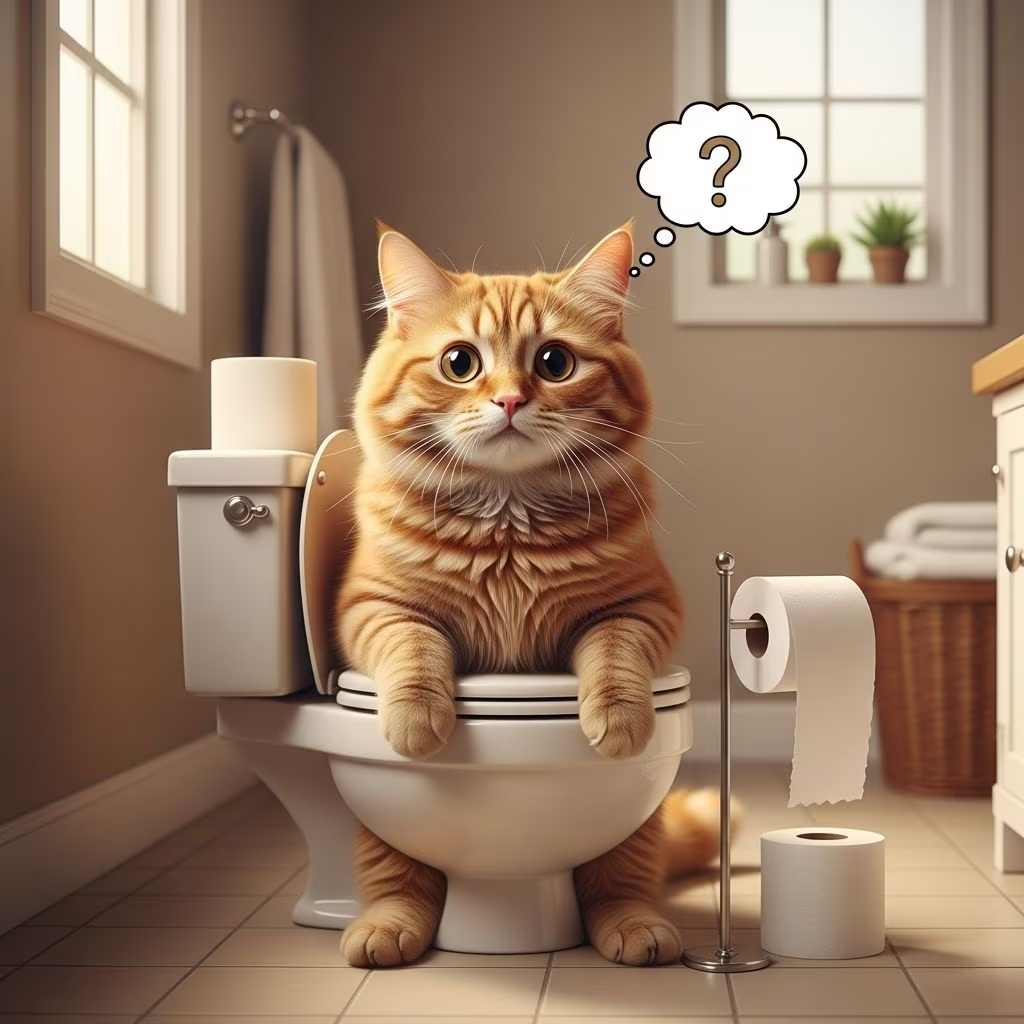
Constipation in cats is a common issue that can cause discomfort and health problems if not addressed promptly. Understanding the signs, causes, and treatments can help your feline friend return to normal bowel movements quickly and safely.
What Does Constipation Look Like in Cats?
Cat constipation manifests through several noticeable symptoms. Owners often observe straining in the litter box without producing stool, hard and dry feces, or infrequent defecation—typically less than once every 1-2 days. Other signs include vocalizing during attempts to poop, lethargy, loss of appetite, vomiting, and a distended abdomen. In severe cases, a palpable mass of hardened feces may be felt in the colon.
Recognizing these symptoms early is crucial, as untreated constipation can lead to megacolon, a condition where the colon loses its ability to contract effectively.
Constipation in Cats vs. Obstipation
While constipation involves infrequent or difficult bowel movements, **obstipation** is a more severe form characterized by complete inability to defecate due to hardened, impacted feces. Obstipation requires immediate veterinary intervention, often involving enemas or manual removal under sedation, as it can lead to dehydration, toxemia, and colon rupture if ignored.
Causes of Constipation in Cats
Several factors contribute to feline constipation:
- Dehydration: Insufficient water intake hardens stool.
- Diet: Low-fiber dry food diets or sudden changes can slow digestion.
- Obesity: Excess weight reduces activity and intestinal motility.
- Hairballs: Ingested fur accumulates in the gut.
- Stress: Environmental changes trigger slowed gut movement.
- Medical Issues: Conditions like kidney disease, hyperthyroidism, tumors, or megacolon.
Identifying the root cause through vet evaluation ensures targeted treatment.
When to Take a Constipated Cat to the Vet
Seek veterinary care immediately if your cat shows signs of obstipation, blood in stool, persistent straining over 24-48 hours, vomiting, lethargy, or appetite loss. Chronic cases or those in kittens, seniors, or cats with pre-existing conditions warrant prompt attention to prevent complications like megacolon.
Your vet may perform a physical exam, radiographs, bloodwork, or ultrasound to diagnose underlying issues.
Treatment for Constipated Cats
Treatment depends on severity. Mild cases may resolve with home remedies, while severe ones require professional intervention.
Veterinary Treatments
- Enemas: Administered under supervision to soften and remove impacted stool. Never attempt at home.
- Manual Disimpaction: Sedation allows manual fecal removal.
- IV Fluids: Corrects dehydration.
- Medications: Laxatives like lactulose, Miralax (PEG 3350), or cisapride to stimulate colon contractions.
Home Remedies and Management
For mild constipation, try these vet-approved strategies:
- Increase Hydration: Switch to wet food, add water fountains, or multiple bowls. Products like Hydracare can entice drinking.
- Diet Changes: High-fiber foods, novel proteins (lamb/chicken), or prescription diets. Takes 8-12 weeks for full effect.
- Fiber Supplements: 1 tsp plain canned pumpkin daily lubricates and bulks stool.
- Oils: Small amounts of olive or coconut oil (vet-approved).
- Probiotics: Support gut flora for better motility.
- Exercise: Play sessions to promote intestinal movement.
| Remedy | Dosage | Benefits | Cautions |
|---|---|---|---|
| Canned Pumpkin | 1 tsp/day | Fiber adds bulk, softens stool | Plain, unsweetened only |
| Olive/Coconut Oil | 1/4 tsp | Lubricates intestines | Vet approval; small doses |
| Wet Food | Primary diet | Boosts hydration | Transition gradually |
| Probiotics | As directed | Healthy gut bacteria | Cat-specific formulas |
How to Prevent Constipation in Cats
Prevention focuses on lifestyle adjustments:
- Maintain ideal weight through diet and exercise.
- Provide constant fresh water access.
- Feed balanced wet/dry mix with fiber.
- Regular grooming reduces hairballs.
- Minimize stress with enrichment, Feliway, extra litter boxes.
- Probiotics and routine vet checkups.
Aim for defecation every 1-2 days; monitor litter box habits closely.
FAQs
What do you give a cat for constipation?
Increase water, add canned pumpkin (1 tsp), switch to wet food, or use vet-prescribed laxatives like Miralax. Probiotics help too.
Is canned pumpkin good for constipated cats?
Yes, plain canned pumpkin’s soluble fiber bulks and softens stool effectively.
How long can a cat go without pooping?
Normal is every 1-2 days; beyond 48 hours signals constipation—see a vet.
Can I give my cat a laxative?
Only vet-approved ones like lactulose; human laxatives are dangerous.
Is wet food better for constipated cats?
Yes, it hydrates and eases digestion compared to dry kibble.
References
- Constipation in Cats: Symptoms, Causes & Treatment — New Hope Animal Hospital. 2024-07-15. https://www.newhopeanimalhospital.com/site/blog/2024/07/15/constipation-cats
- How Can I Help My Constipated Cat? — Michigan Animal Hospital. 2022-01-30. https://www.michigananimalhospital.com/site/blog/2022/01/30/constipation-cats
- Constipation in Cats — VCA Animal Hospitals. Accessed 2026. https://vcahospitals.com/know-your-pet/constipation-in-cats
- Cat Constipation: Causes, Symptoms & Treatment — VEG ER for Pets. Accessed 2026. https://www.veg.com/post/6-ways-to-help-your-constipated-cat
- Cat Constipation: Causes, Symptoms and Treatment — Warrick Vet. Accessed 2026. https://warrickvet.com/blog/cat-constipation-causes-symptoms-and-treatment-in-warrick-county-in/
- How To Treat Constipation in Cats — PetMD. Accessed 2026. https://www.petmd.com/cat/general-health/cat-constipation-how-to-help



