

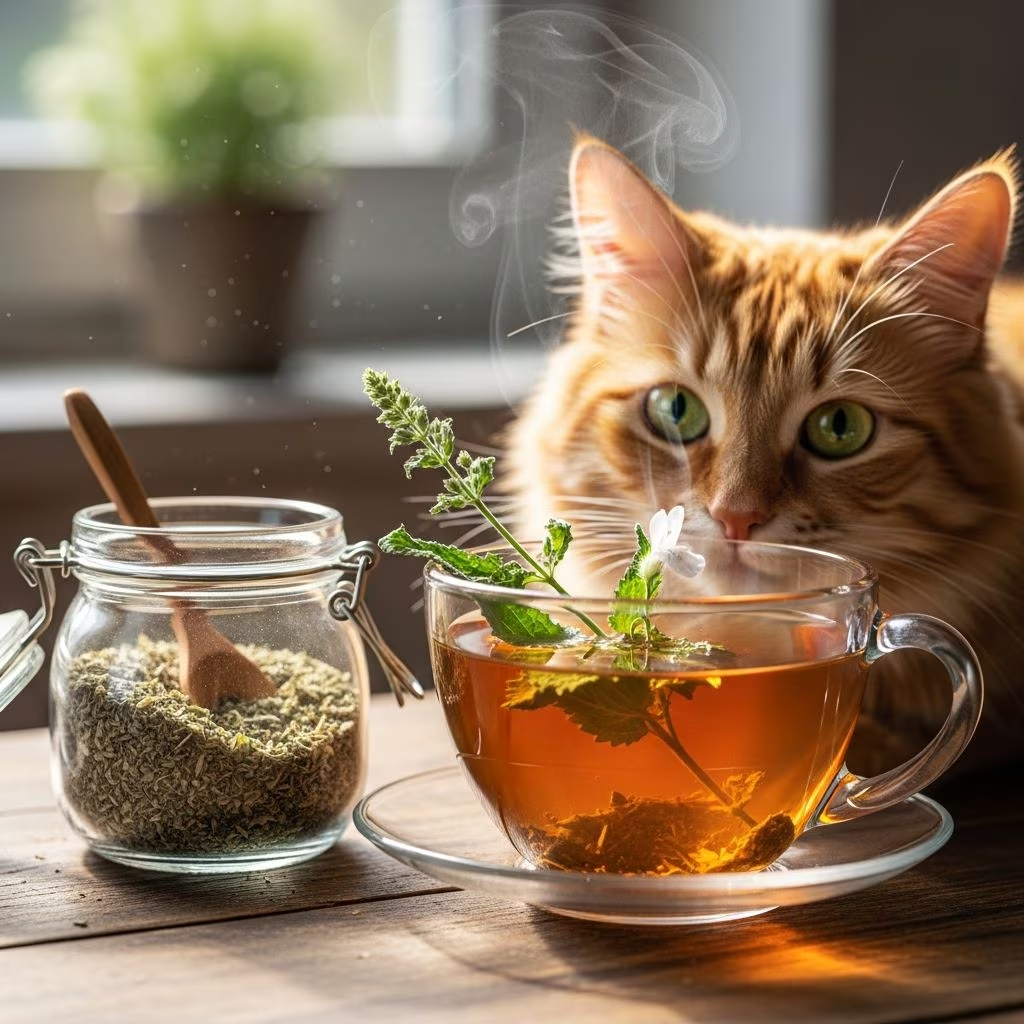
Catnip tea offers a safe, natural way to provide your cat with the benefits of catnip, including relaxation and digestive support. This herbal infusion, made from the leaves of the catnip plant (*Nepeta cataria*), leverages nepetalactone, the compound responsible for cats’ euphoric reactions.
While sniffing catnip typically stimulates playful behavior, ingesting it via tea promotes calming effects, making it ideal for anxious or stressed felines. Always consult a vet before introducing new remedies, especially for cats with health conditions.
What Is Catnip?
Catnip, a perennial herb in the mint family originating from Europe and now widespread in North America, contains nepetalactone in its leaves, stems, and flowers. This volatile oil binds to feline olfactory receptors, mimicking feline pheromones and triggering responses in about 50-60% of cats.
Kittens under 3 months and senior cats often show no reaction, as sensitivity is genetic. For responsive cats, effects last 10-30 minutes, followed by a refractory period. Humans have used catnip traditionally for its mild sedative properties.
Is Catnip Safe for Cats?
Catnip is non-toxic and non-addictive for cats, recognized as safe by veterinary sources. Moderate use—once daily or a few times weekly—poses no issues for most cats.
- Potential side effects: Overuse may cause vomiting, diarrhea, or hyperactivity leading to injury due to impaired coordination.
- Special considerations: Avoid in pregnant cats or those with gastrointestinal disorders; supervise during active phases.
- Safe dosage: 1-2 teaspoons of dried catnip per cup of tea, diluted for serving.
PetMD confirms catnip’s safety and suggests it for separation anxiety relief.
Health Benefits of Catnip Tea for Cats
Catnip tea delivers ingested benefits distinct from sniffing: sedation over stimulation. Key advantages include:
1. Calming and Stress Reduction
Nepetalactone acts as a natural relaxant, reducing anxiety after initial playfulness. Useful for vet visits, travel, or new environments. Studies show it eases tension, promoting hours of calm post-exposure.
2. Digestive Aid
Traditionally used for tummy troubles, catnip tea soothes bloating, gas, and nausea like a mild antispasmodic. Its carminative properties expel gas, comforting upset stomachs.
3. Sleep Promotion
Ingested catnip sedates, aiding restful sleep. Post-play relaxation makes it a bedtime treat for restless cats.
4. Skin Soothing
A catnip tea bath relieves itchy skin and allergies. The infusion calms irritation upon absorption.
5. Appetite and Pain Relief
Some vets recommend it for mild pain or to stimulate appetite in picky eaters. Environmental enrichment boosts activity and mood.
| Benefit | How It Works | Best Use Cases |
|---|---|---|
| Stress Relief | Sedative via nepetalactone | Vet trips, new pets |
| Digestion | Antispasmodic | Bloating, nausea |
| Sleep Aid | Post-stimulation calm | Bedtime routine |
| Skin Health | Topical infusion | Itching, scratches |
How to Make Catnip Tea for Cats: Step-by-Step Recipe
Preparing catnip tea is simple with dried or fresh catnip. Use organic, pet-grade herbs free of pesticides.
Ingredients (for 1 cup):
- 1-2 tsp dried catnip (or 2-3 tsp fresh)
- 1 cup boiling water
- Optional: Honey (tiny drop for palatability, vet-approved)
Instructions:
- Boil water and add catnip to a tea infuser or cup.
- Steep 5-10 minutes, covered, for maximum nepetalactone extraction.
- Strain and cool completely to room temperature—never serve hot.
- Dilute 1:1 with water if strong; serve 1-2 tbsp in a bowl.
Store refrigerated up to 24 hours. Fresh batches ensure potency.
Variations:
- Chilled Tea: Ice cubes for hot days, encouraging hydration.
- Mixed Tea: Blend with chamomile for extra calming (vet consult first).
- Topical Bath: Add 1 tsp steeped tea to bathwater; rinse after shampooing.
Tips for Serving Catnip Tea to Your Cat
Maximize enjoyment and safety:
- Introduce gradually to monitor reactions.
- Supervise to prevent overexcitement injuries.
- Combine with toys for enrichment.
- Use shallow bowls; refresh uneaten portions.
- Not all cats respond—try silvervine if ineffective.
Potential Risks and When to Avoid Catnip Tea
While safe, risks include:
- Gastrointestinal upset from excess.
- Hyperactivity causing falls or fights.
- Lethargy in sensitive cats.
Avoid if your cat shows aggression, has seizures, or is on medications. Discontinue if adverse effects occur and contact a vet.
Frequently Asked Questions (FAQs)
Is catnip tea safe for kittens?
No, kittens under 6 months may not process it well; wait until maturity.
How often can I give catnip tea?
1-3 times weekly max to prevent tolerance.
Does catnip tea make cats high?
Yes, nepetalactone stimulates like a mild euphoric for 15-30 minutes.
Can I use catnip tea for humans too?
Yes, it aids human relaxation and digestion, but use food-grade.
What if my cat doesn’t like catnip tea?
Genetic non-responders (40%) exist; alternatives like valerian work similarly.
Conclusion
Catnip tea is a versatile, science-backed treat enhancing your cat’s well-being through relaxation, digestion support, and more. Prepared safely, it fosters bonding and health. Always prioritize moderation and veterinary guidance for optimal results.
References
- Catnip Tea for Cats — RexiPets. 2023. https://rexipets.com/blogs/the-latest/catnip-tea-for-cats
- Catnip: Why Your Cat Loves It (+ 4 Human Uses!) — DrAxe.com. 2023-10-12. https://draxe.com/nutrition/catnip/
- Catnip Tea: Is It Safe For Cats? — Dutch.com. 2024. https://www.dutch.com/blogs/dogs/catnip-tea
- What Is Catnip and What Does It Do to Cats? — PetMD. 2024-05-15. https://www.petmd.com/cat/general-health/what-is-catnip
- Catnip Tea: Are There Health Benefits? — WebMD. 2023. https://www.webmd.com/diet/catnip-tea-health-benefits
- 7 Health Benefits of Catnip for Cats — Catster. 2024. https://www.catster.com/cat-health-care/health-benefits-of-catnip-for-cats/



