

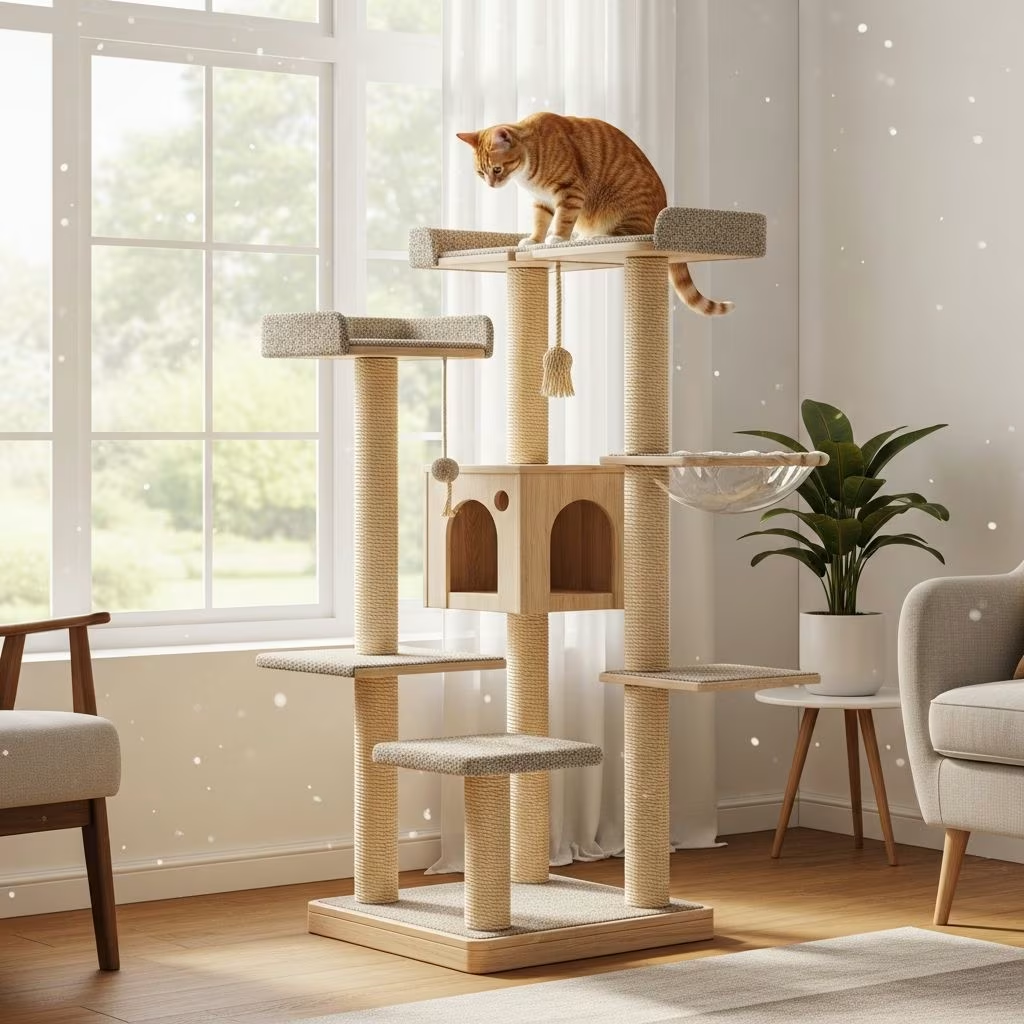
How to Make a Cat Tree More Stable: 6 Vet-Approved Tips & Tricks
Cat trees are essential furniture pieces for feline enrichment, providing exercise, mental stimulation, and safe spaces for climbing and scratching. However, a wobbly cat tree can pose serious safety risks to your beloved pet. When a cat tree lacks stability, it can tip over during active play, potentially injuring your cat or causing damage to your home. The good news is that with the right approaches and materials, you can significantly improve your cat tree’s stability and ensure it remains a safe haven for your feline companion.
Stability issues often arise from manufacturing shortcuts, worn materials, or simply the natural wear and tear that comes with enthusiastic cats using their climbing structures daily. Whether your cat tree is brand new and showing signs of wobbling or it’s an older model that has seen better days, implementing these six vet-approved tips will transform it into a secure and reliable piece of furniture.
1. Secure the Base With Strong Fasteners
The foundation of a stable cat tree begins with securing the base properly. Using strong fasteners is essential to securely attaching the post to the base platform. The type of fastener you choose makes a significant difference in overall stability.
Instead of relying on nails or staples, which can loosen over time and fail under stress, use screws or bolts. These provide a much stronger hold and are less likely to fail when your cat makes dynamic movements like jumping or running across different levels. For added durability, pre-drill holes in both the post and the base platform. This ensures the screws go in straight and prevents the wood from splitting, which could compromise structural integrity.
An additional step that many people overlook is applying wood glue along the contact surfaces before securing the post. This adds an extra layer of bonding security, making the connection more stable and resilient to the stresses of daily use. The combination of mechanical fasteners (screws or bolts) and adhesive creates a much more robust joint that won’t deteriorate as quickly.
2. Use a Heavy Base
A heavier base is one of the most effective ways to ensure your cat tree remains stable. Weight distribution plays a crucial role in preventing tipping, especially if your cat is large or very energetic. When the base lacks sufficient weight, even moderate activity from your cat can cause the entire structure to shift and wobble.
Materials like natural wood or secured bricks provide the necessary weight and durability to keep your cat tree grounded. By choosing a thicker material for the base, you can ensure it’s sturdy enough to support the entire structure and handle your cat’s active play sessions. The added mass of a heavier base creates a lower center of gravity, which is fundamental to preventing tipping.
Additionally, a wider base will distribute the weight more evenly across the floor, reducing the risk of the tree tipping over when your cat jumps from one perch to another. Think of it like the difference between a narrow pedestal and a wide platform—the wider platform is far more resistant to tipping because it has more contact area with the ground and distributes forces across a larger surface.
3. Reinforce the Post Attachment
To make the attachment of the post even more secure, you can use angle brackets or corner braces. These metal reinforcements can be installed between the post and base to add extra support and prevent wobbling. Metal brackets are engineered to distribute forces effectively and provide structural reinforcement that simple fasteners alone cannot achieve.
Attach the brackets with screws to both the post and the base, ensuring they are firmly in place. This creates multiple connection points that work together to resist movement and wobbling. Additionally, using long screws or bolts that go through both the post and the base will offer greater support. Longer fasteners create a more secure connection, penetrating deeper into the material and providing superior holding power.
The combination of angle brackets and longer fasteners creates a reinforced joint that can withstand significant stress. This approach is especially important if your cat is particularly athletic or if the cat tree is tall, as these factors increase the forces working to destabilize the structure.
4. Stabilize With Extra Support
If your cat tree has multiple levels or a tall structure, installing beams between the base and the posts can increase the stability significantly. Having additional support aside from the main post will distribute the weight of the perches more effectively and make it a lot harder to tip over.
This type of reinforcement is particularly important for multi-level cat trees because weight concentrates at various points, and without proper support structure, these concentrated loads can cause instability. Think of extra beams as internal bracing that divides the weight load and distributes it across multiple points of contact with the base. This ensures the entire tree remains solid, even if your cat is very active or heavy.
You can add support beams using wood or metal materials, depending on your cat tree’s design and your comfort level with modifications. The key is ensuring these supports are securely fastened at both ends and positioned strategically to handle the weight distribution effectively.
5. Use Non-Slip Pads Under the Cat Tree
Non-slip pads or rubber grippers are an effective solution to keeping your cat tree from sliding across the floor. These pads can be attached under the base platform and work by increasing friction between the base and your flooring.
By preventing the tree from shifting or moving when your cat climbs or jumps, non-slip pads reduce the risk of instability and tipping. They’re especially helpful if your cat tree is placed in a more open area, if your floor is slippery, or if you have hardwood or tile floors. The smooth nature of these flooring types makes them particularly prone to causing cat trees to slide, so non-slip pads are essential in these scenarios.
These pads are simple to install and relatively inexpensive, making them a cost-effective way to improve stability. They also protect your flooring by preventing the cat tree base from scratching or damaging hard surfaces.
6. Place the Cat Tree in a Corner and on Even Flooring
Where you place the cat tree can also make a big difference in its stability. If possible, position the tree in a corner or against a wall. For large cat trees in particular, corners provide an easy way to prevent your cat tree from falling over when your cat jumps from perch to perch. A corner will also give you plenty of wall space to secure your cat tree with metal brackets and fasteners.
Make sure the base is on solid and even flooring. Avoid placing part of the cat tree on different flooring textures, as this can cause the base to sit unevenly. For example, if there’s a rug in your home, place the tree completely on the rug or completely off of it, rather than straddling both surfaces. If the floorboards are damaged, warped, or there’s a dip in the floor, your cat tree will be likelier to wobble or lean to one side.
Even in open spaces, positioning the tree in an area that’s less prone to movement from foot traffic or air currents can help prevent it from shifting. Take time to survey your home and identify the most stable location for your cat tree before making your final placement decision.
Key Factors for Cat Tree Stability
Understanding the core elements that contribute to stability helps you prioritize your reinforcement efforts:
- Weight Distribution: A cat tree with a larger base distributes weight more evenly and resists tipping more effectively.
- Secure Fastening: Ensure all screws and connectors are tightened regularly, especially if your cat is heavier or particularly boisterous.
- Anchoring Solutions: Some models come with wall anchors, which can be bolted to the wall to provide extra security and prevent any movement.
- Material Quality: Sturdy materials like natural wood are superior to particleboard for creating a stable foundation.
- Design Considerations: Cat trees with a wide, low center of gravity are inherently more stable than tall, narrow designs.
Budget-Friendly Stabilization Solutions
Stabilizing your cat tree doesn’t need to break the bank. In fact, many fixes can be done with items you already have around the house. Before you rush to purchase new products, take a moment to evaluate your current situation and identify what resources you have available.
Can you reinforce the existing structure with better screws or brackets? Could you reconfigure the platforms to balance the weight more effectively? Perhaps a DIY solution, like adding an extra piece of plywood to the base, can create a sturdier foundation without significant expense. Many hardware stores like Home Depot or Lowe’s carry affordable materials for stabilization projects.
Frequently Asked Questions
Q: How often should I check my cat tree for stability?
A: Inspect your cat tree monthly for loose fasteners, worn materials, or signs of wobbling. More frequent checks are recommended if you have multiple cats or particularly active felines.
Q: Can I make my cat tree stable without wall anchors?
A: Yes, a combination of a heavy base, strong fasteners, proper positioning, and non-slip pads can provide significant stability without wall anchors, though wall anchors offer additional security for tall structures.
Q: What materials are best for creating a stable cat tree base?
A: Natural wood, plywood, and secured bricks provide excellent weight and durability. These materials are superior to particleboard and are more resistant to wear and degradation.
Q: Is my cat tree safe if my cat weighs more than the weight limit?
A: No, if your cat exceeds the weight limit, reinforcement alone may not be sufficient. Consider purchasing a cat tree designed for heavier cats or multiple cats.
Q: Do non-slip pads damage hardwood floors?
A: Quality rubber or silicone pads do not damage hardwood floors when properly installed. They actually protect your floors by preventing the cat tree base from scratching surfaces.
Q: Can I add weight to an unstable cat tree?
A: Yes, adding weight to the base through materials like sand, gravel, or additional wood can improve stability, provided the fasteners are strong enough to handle the additional load.
References
- How to Make a Cat Tree More Stable: 6 Vet-Approved Tips & Tricks — Catster. 2024. https://www.catster.com/lifestyle/how-to-make-a-cat-tree-more-stable/
- An Inside Look At How to Fix a Wobbly Cat Tree — Cat Trees for Small Spaces. 2024. https://cattreesforsmallspaces.com/an-inside-look-at-how-to-fix-a-wobbly-cat-tree/
- How to Make a Cat Tree More Stable (Step-By-Step Guide) — Hepper. 2024. https://articles.hepper.com/how-to-make-cat-tree-more-stable/
- Cat Tree Stability & Tipping Safety — Weight & Base Comparison — New Cat Condos. 2024. https://www.newcatcondos.com/cat-tree-stability-testing/



