

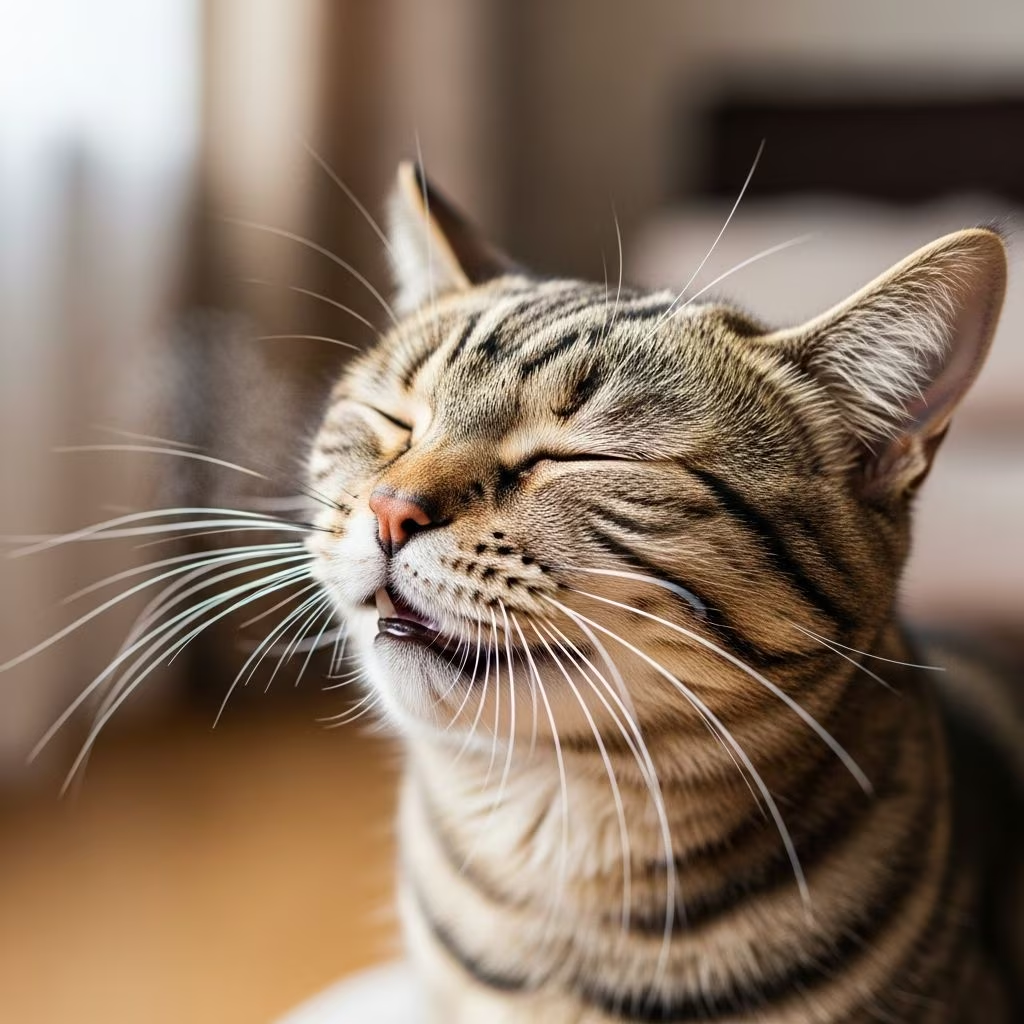
How to Make Your Cat Sneeze to Clear Nose
When your beloved feline companion is suffering from nasal congestion due to an upper respiratory infection or similar ailment, watching them struggle to breathe comfortably can be distressing for any pet owner. One of the most effective natural ways to help your cat clear their nasal passages is to encourage sneezing, which naturally expels mucus and irritants from the nose. Unlike humans, cats may need a little extra encouragement to achieve this therapeutic sneeze, and there are several proven methods you can use at home to help your cat feel better without requiring an immediate veterinary visit for minor congestion issues.
Understanding Why Cats Sneeze
Sneezing is a natural reflex that serves an important purpose in your cat’s body. When your cat sneezes, the sudden expulsion of air through the nasal passages helps clear mucus, dust, allergens, and other irritants that may be blocking their airways. This reflex is particularly important when your cat is dealing with a stuffy nose caused by a viral infection like feline herpes virus or feline calicivirus, commonly known as cat flu. By encouraging your cat to sneeze, you’re essentially helping their body do what it naturally does to protect and clear the respiratory system.
Understanding the mechanics of sneezing can help you better appreciate why inducing sneezes is beneficial for congested cats. When nasal passages become irritated or blocked by mucus buildup, the body triggers a sneeze reflex to expel the obstruction. In cats with mild to moderate congestion, facilitating this natural process can provide significant relief and help them breathe more easily throughout the day.
Method 1: Using Steam Therapy
One of the most popular and effective methods for helping your cat sneeze is steam therapy. This gentle approach mimics how you might treat your own nasal congestion when you have a cold, and it works similarly well for cats. The warm, moist air helps to loosen and thin out the mucus in your cat’s nasal passages, making it easier for them to sneeze out the congestion.
How to Use the Steam Method
To administer steam therapy to your cat, begin by heating water until it produces visible steam. You can do this by running hot water in your bathroom shower or by heating water on the stovetop and placing it in a safe container on a table or counter. Once you have a source of steam, hold your cat close to your body and lean near the steam together, then throw a large towel over both of your heads, creating a tent-like enclosure. This traps the steam around your cat’s face and nasal passages.
Allow the steam to work its magic for about five minutes if your cat will cooperate. You can repeat this process several times throughout the day, as tolerated by your cat. The consistent application of steam therapy can significantly help loosen the mucus buildup in your cat’s nasal passages, making it much easier for them to sneeze out the congestion and breathe more freely.
Alternative Steam Approaches
If your cat is resistant to the towel tent method, you have other steam options available. Running a hot shower in your bathroom and sitting with your cat in the steamy environment for 10-15 minutes can provide similar benefits. Another option is to use a humidifier in your cat’s room, which adds moisture to the air continuously throughout the day and night. Some pet owners prefer the humidifier method because it provides consistent relief without requiring your cat’s active cooperation, though it may take longer to see results than direct steam application.
Method 2: Using Humidifiers and Vaporizers
Beyond direct steam application, using a humidifier or vaporizer is an excellent way to maintain a humid environment that supports your cat’s respiratory health. These devices add moisture to the air in your home, which naturally helps thin nasal secretions and makes breathing easier for your congested cat.
Setting Up Your Humidifier
When using a humidifier, place it in a medium-sized room where your cat spends most of their time. You can use plain warm water, or for added therapeutic benefit, you can add a small amount of essential oil. If you choose to use essential oils, lavender is a gentle option that many cats tolerate well. Add approximately five to ten drops of lavender essential oil per cup of water to your humidifier. Allow the humidifier to run throughout the day to maintain consistent humidity levels that support your cat’s respiratory function.
The continuous moisture in the air works slowly but steadily to loosen congestion, reduce inflammation in nasal passages, and make sneezing more productive when it does occur. This method is particularly valuable because it requires no direct handling of your cat and provides 24-hour relief if you keep the humidifier running.
Method 3: Gentle Nasal Passage Stimulation
Sometimes, a gentle tickle to the nasal passages can trigger your cat’s natural sneeze reflex. This method requires a very light touch and careful observation to ensure you’re not causing your cat discomfort.
Safe Stimulation Techniques
You can gently brush a soft, clean feather or use a very fine stream of air near your cat’s nose to create a tickling sensation that may trigger a sneeze. Some cats respond well to a gentle puff of air directed near (but not directly into) their nasal passages. The goal is to create just enough irritation to prompt the sneeze reflex without causing pain or further irritation.
Be extremely cautious with this method, as you never want to insert anything into your cat’s nostrils. If you notice your cat becoming stressed or agitated, discontinue this technique immediately. Not all cats will respond to this method, and that’s perfectly fine—there are plenty of other options available.
Method 4: Cleaning and Maintaining Nasal Passages
Keeping your cat’s nasal passages clean is an important part of supporting their respiratory health and encouraging natural sneezing. When nasal discharge accumulates around your cat’s nostrils, it can dry and crust over, potentially causing further irritation and blocking airways.
Gentle Cleaning Procedure
Use a warm, wet paper towel or soft cloth to very gently wipe away nasal discharge from around your cat’s nostrils. Be extremely gentle during this process, as your cat’s nose will likely be sore and sensitive when they’re congested. Your cat will still attempt to groom themselves even when feeling unwell, so you may also need to gently clean their front legs and face with a warm paper towel and a small drop of baby shampoo if nasal discharge has gotten on their fur.
Regular gentle cleaning not only removes uncomfortable crusty discharge but also helps stimulate the nasal area, which can sometimes trigger additional sneezing. This dual benefit makes nasal cleaning an important part of your cat’s congestion relief routine.
Identifying Foreign Objects in the Nasal Passage
Sometimes, cats sneeze excessively because a foreign object is lodged in their nasal passage rather than due to infection or congestion. Common items that can become stuck in a cat’s nose include blades of grass, small twigs, bits of litter, or even fur. Cats are curious creatures who explore their environment with their noses, and occasionally something gets where it shouldn’t be.
What to Look For
Check the rim of your cat’s nostrils carefully to see if you can spot any visible foreign object. If you see something lodged in the outer part of the nostril and it appears easily removable, you can attempt gentle removal using a soft tweezer. However, if the object appears to be lodged deeper in the nasal passage, do not attempt to remove it yourself. Instead, contact your veterinarian for safe professional removal.
Sudden, intense sneezing, particularly in a cat that normally doesn’t sneeze frequently, can be a sign that a foreign object is causing the irritation. If the sneezing persists or worsens, a veterinary visit is warranted to rule out this possibility.
Environmental Adjustments for Respiratory Health
Your home environment plays a significant role in your cat’s respiratory health. Making strategic adjustments to your living space can reduce the irritants that trigger sneezing and help your cat feel more comfortable overall.
Reducing Allergens and Irritants
Begin by identifying and removing common household allergens that may be triggering or worsening your cat’s sneezing. Fragranced candles, strong perfumes, cleaning supplies with harsh chemicals, and certain houseplants can all cause respiratory irritation in cats. Opt for unscented or pet-safe cleaning products, eliminate heavily scented items from your home, and consider moving any irritating plants to a room where your cat doesn’t spend time.
Implementing a regular cleaning routine with a HEPA air filter vacuum can significantly reduce dust and allergen levels in your home. Additionally, during high-pollen seasons, keep windows closed and maintain proper ventilation using HVAC systems or air purifiers designed for pet homes. These environmental modifications work in conjunction with the sneezing-encouraging methods to provide comprehensive relief.
Supporting Your Cat’s Overall Health
While encouraging sneezing helps with immediate congestion relief, supporting your cat’s overall health strengthens their immune system and helps prevent respiratory infections from developing in the first place.
Grooming and Dental Care
A consistent grooming routine helps keep loose fur from accumulating in your cat’s nasal passages and causing irritation. Regular brushing also provides an excellent opportunity to bond with your feline friend while maintaining their coat health. Additionally, establishing a dental care routine is important because periodontal disease in cats can increase susceptibility to respiratory infections. Start dental care by allowing your cat to become familiar with a cat toothbrush, then gradually introduce cat-friendly toothpaste and gentle brushing of the front teeth, working toward the back of the mouth over time.
Nutritional Support
Supporting your cat’s immune system through proper nutrition helps their body fight off respiratory infections more effectively. Consult with your veterinarian about supplements that may help support your cat’s overall health and respiratory function, particularly if your cat is prone to recurring upper respiratory infections.
When to Seek Veterinary Care
While home methods for encouraging sneezing can provide significant relief for minor congestion, certain situations require professional veterinary attention. If your cat’s sneezing persists for more than a few days, if nasal discharge becomes thick, colored, or bloody, or if your cat shows signs of systemic illness such as fever, lethargy, or loss of appetite, contact your veterinarian promptly.
Additionally, if your cat seems to be in pain, if you cannot safely remove a foreign object from their nasal passage, or if your cat is struggling to breathe even after using humidity and steam therapy, professional evaluation is necessary. Your veterinarian can determine whether your cat has a viral infection, bacterial infection, allergies, or another underlying condition requiring specific treatment.
Frequently Asked Questions (FAQs)
Q: Is it safe to use essential oils around my cat?
A: Many essential oils can be toxic to cats. If you choose to use essential oils in a humidifier, use only cat-safe oils like lavender in very diluted concentrations (5-10 drops per cup of water), and ensure your cat can leave the room if desired. Always consult with your veterinarian before using any essential oils around your cat.
Q: How often can I use steam therapy with my cat?
A: Steam therapy can be used several times per day as needed, with sessions lasting about 5-15 minutes each. Monitor your cat for signs of stress or overheating, and never leave your cat unattended in a steamy bathroom.
Q: What’s the difference between normal sneezing and sneezing that needs veterinary attention?
A: Occasional sneezing or clear nasal discharge might resolve without medical intervention. However, frequent sneezing lasting more than a few days, colored or bloody discharge, difficulty breathing, or signs of systemic illness warrant a veterinary visit.
Q: Can I use a regular humidifier meant for humans with my cat?
A: Yes, standard humidifiers designed for human use are safe for cats. However, ensure your cat cannot be directly sprayed by the humidifier and maintain appropriate humidity levels (typically 40-60%) to avoid creating an environment that promotes mold growth.
Q: How long does it take to see improvement with these methods?
A: Some cats show improvement within hours of starting steam therapy or using a humidifier, while others may need several days of consistent treatment. The timeline depends on the severity of congestion and your individual cat’s response to treatment.
Q: What if my cat refuses to cooperate with steam therapy?
A: If your cat won’t tolerate direct steam application, use a humidifier instead. This provides continuous moisture in the air without requiring your cat’s active cooperation and often works just as well, though it may take longer to show results.
References
- Helping Your Cat through a Feline Upper Respiratory Infection — The Honest Kitchen. https://www.thehonestkitchen.com/blogs/pet-wellness/helping-your-cat-through-a-feline-upper-respiratory-infection
- Help! Why Is My Cat Sneezing So Much? — Four Paws. https://www.fourpaws.com/pets-101/cat-corner/why-is-my-cat-sneezing-so-much
- Cat Respiratory Infection: Urgent Signs, Causes, and Care Tips — Golden, Silver, and Shady Valley Sanctuary (GSVS). https://gsvs.org/blog/cat-respiratory-infection-emergency/
- Is it Normal That My Cat Keeps Sneezing? — Cheyenne Mountain. https://cheyennepets.com/blog/cat-sneezing/
- Sneezing and Nasal Discharge in Cats — Maddie’s Fund. https://www.maddiesfund.org/kb-sneezing-and-nasal-discharge-in-cats.htm



