

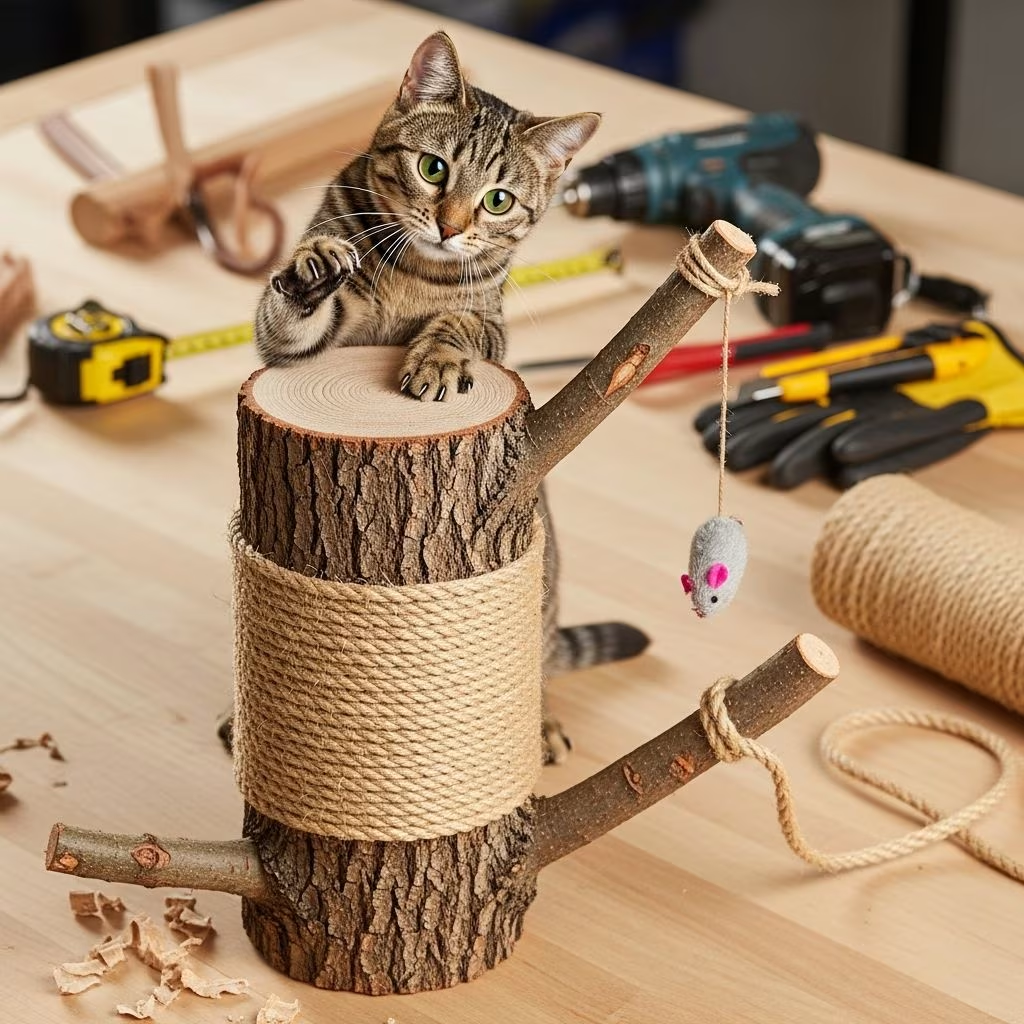
Creating a **cat scratching post from a log** offers a natural, durable solution that satisfies your cat’s instinctual need to scratch while protecting your furniture. This DIY project uses simple materials like a sturdy log, wood base, sisal rope, and perches to build a post that can last years. Cats prefer natural textures like bark or sisal, mimicking trees they would scratch in the wild. Follow these **7 easy steps** to craft one at home, saving money compared to commercial options that often cost over $50.
Why Make a DIY Cat Scratching Post?
Store-bought scratching posts frequently wear out quickly due to thin sisal covering or unstable bases, leading cats to revert to scratching sofas or carpets. A log-based post provides **superior durability** with its rough bark surface or wrapped sisal rope, which withstands vigorous clawing. This project is customizable in height and design, accommodating multi-cat households or kittens. Environmentally, repurposing a fallen log reduces waste, and the result blends seamlessly into rustic or modern decor.
Benefits include cost savings (under $30 total), health perks for cats through exercise, and reduced stress from unmet scratching urges. Veterinary experts note scratching is essential for nail maintenance, territory marking, and stretching, preventing behavioral issues.
Tools and Materials Needed
Gather these items before starting for a smooth build:
- Log: 4-6 inches diameter, 30-40 inches long, straight with bark intact (sourced from yard or lumber yard).
- Base: 18×18-inch plywood or particle board, ¾-inch thick.
- Perches: Two 12×12-inch plywood squares for seats; optional carpet or fabric covering.
- Sisal rope: 100-150 feet of ⅜-inch thick natural sisal (preferred by cats for texture).
- Hardware: Wood screws (3-inch), bolts/nuts for perches, wood glue, staples.
- Tools: Saw (hand or circular), drill with bits, sander, staple gun, hammer, measuring tape, clamps.
Total estimated cost: $20-40. Sisal rope is key—cats love its coarse fibers that mimic tree bark without shredding easily.
Step-by-Step Instructions
1. Prepare the Log
Select a dry, pest-free log to avoid splinters or insects. Trim branches and cut to desired height (32-40 inches ideal for most cats). Sand rough ends smooth but leave bark for texture. If bark peels, wrap entire log in sisal rope later for longevity. Drill a 1-inch hole in the bottom center for secure base attachment.
Pro tip: Soak log ends in water overnight if bark is loose, then dry to set it.
2. Prepare the Base of the Cat Post
Cut plywood to 18×18 inches. Sand edges for safety. Trace log base circle in center. Drill four pilot holes inside the circle for screws. Optional: Cover base with carpet remnants using glue and staples for traction, preventing slips on hardwood floors.
3. Prepare the Perches
Cut two 12×12-inch plywood squares. Sand thoroughly. Drill two holes per perch matching log diameter positions, offset for stability. Cover with carpet or foam padding glued down, then fabric if desired. These perches give cats a lounging spot atop the post.
4. Attach the Log to the Base
Apply generous wood glue to log bottom and base circle. Insert log into hole if pre-drilled, or position directly. Drive four 3-inch screws through base into log at angles for strength. Clamp and let dry 24 hours. Check plumb with level to ensure stability.
5. Wrap the Log with Sisal Rope
This step enhances scratching appeal. Start at base: Nail or glue sisal end, then tightly wrap upward, overlapping ¼ inch per turn. Push down with hands every few wraps to eliminate gaps. Use hot glue dots every 6 inches for security, especially on smooth wood. At top, tuck end under wraps and glue/staple. Expect 100+ feet for full coverage.
Cats adore sisal’s grip—wrap tension holds against clawing without unraveling.
6. Attach the Perches
Slide lower perch onto log top, aligning holes. Secure with bolts/nuts from underneath. Repeat for upper perch if desired, spacing 12 inches apart. Tighten firmly but avoid over-compressing wood. Test wobble—add braces if needed.
7. Finishing Touches and Cat Introduction
Sand any sharp edges. Spray with catnip spray to entice use. Place near old scratching spots. Demonstrate by scratching yourself. Monitor initial use; reinforce with toys. Your post is ready!
Tips for Success and Common Mistakes
- Stability first: Heavy base prevents tipping; test with jumping cat.
- Rope tension: Too loose unravels; too tight hard to wrap—practice on scrap.
- Customization: Add platforms, toys, or paint base for style.
- Avoid staples on rope: Can snag paws; glue suffices.
- Multi-cat: Build wider base or multiple posts.
Mistakes like weak glue lead to collapses—always dry fully. For curved logs, embrace natural shape for climbing appeal.
How to Get Your Cat to Use the Scratching Post
Cats may ignore new posts initially. Strategies:
- Spray liberally with catnip or silvervine extract.
- Place treats or toys on perches.
- Rub with worn blanket matching cat’s scent.
- Use clicker training: Scratch, click, treat.
- Trim nails pre-introduction to reduce furniture damage.
Consistency pays off—most cats adapt in 1-2 weeks.
Maintenance and Longevity
Trim loose rope ends monthly with scissors. Vacuum bark debris. Refresh catnip yearly. These posts outlast cardboard scratchers by years, with users reporting 4+ years of heavy use. If rope frays, unwrap and rewrap sectionally.
Cost Comparison Table
| Type | Cost | Durability | Customization |
|---|---|---|---|
| Store-Bought | $40-100 | 6-12 months | Low |
| DIY Log Post | $20-40 | 3-5 years | High |
| Cardboard | $10-20 | 1-3 months | None |
DIY wins for value and appeal.
Frequently Asked Questions (FAQs)
What type of wood is best for a cat scratching post log?
Firm woods like oak, pine, or cedar with intact bark. Avoid toxic woods like walnut.
How much sisal rope do I need?
100-150 feet for a 36-inch post; calculate circumference x height + 20% extra.
Can I use a live tree branch?
Yes, but dry thoroughly to prevent mold; prune cleanly.
What if my cat ignores it?
Catnip spray and positive reinforcement; relocate near favored spots.
Is this safe for kittens?
Yes, sand smooth; supervise first uses.
How do I secure perches without drilling through?
Use threaded rods or collars for removable design.
References
- How to Make a Cat Scratching Post From a Log – 7 Easy Steps — Hepper. 2023. https://articles.hepper.com/how-to-make-cat-scratching-post-from-log/
- DIY Cat Scratching Post That Lasts for Years! — Dream a Little Bigger. 2018-10-15. https://www.dreamalittlebigger.com/post/diy-cat-scratching-post-that-literally-lasts-for-years.html
- DIY Modern Cat Scratching Post — Instructables. 2020. https://www.instructables.com/DIY-Modern-Cat-Scratching-Post/
- EASY DIY Cat Scratcher Post PLUS Must Know Tips! — YouTube (Phil Crockett). 2022. https://www.youtube.com/watch?v=a_xMwjou_ww
- DIY Cat Scratching Post — Pioneering The Simple Life. 2016-02-08. https://pioneeringthesimplelife.org/2016/02/08/diy-cat-scratching-post/



