

How to Make My Cat More Active: 10 Vet-Approved Exercises & Tips
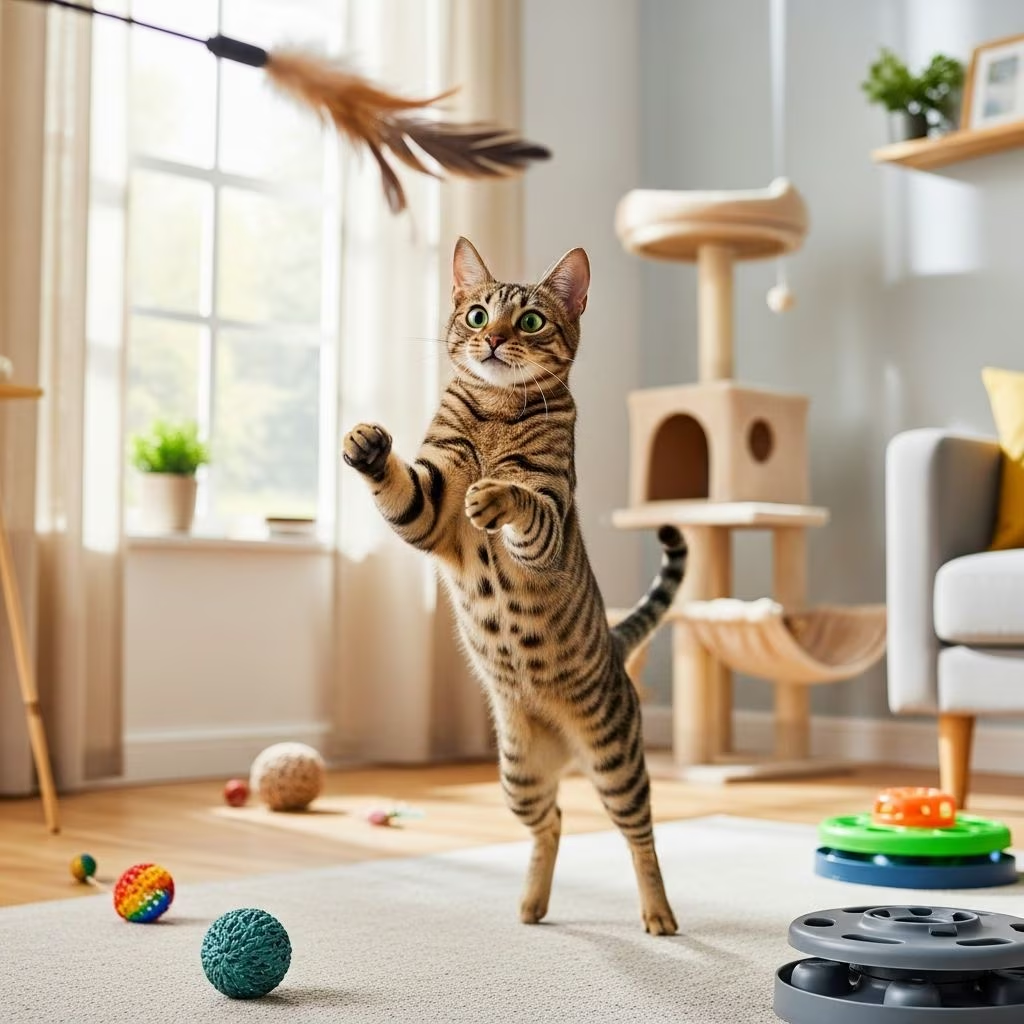
Do you have a lazy cat? Are you trying to figure out how to make your cat more active? Cats are undoubtedly different from dogs in this department, and sometimes, it takes a little creativity to ensure your cat is receiving adequate exercise for optimal health. Cats can easily become obese if they do not receive enough exercise, leading to other health issues, such as diabetes mellitus. Exercise is important for your cat’s mental health and to keep their hunting skills sharp. In this comprehensive guide, we will explore 10 cat exercises and tips to make your cat more active for a healthier, longer life.
Why Exercise Matters for Your Cat
Exercise is not just about keeping your cat physically fit; it plays a crucial role in their overall well-being. Regular physical activity helps cats maintain a healthy weight, reducing the risk of obesity and related conditions such as diabetes mellitus and joint problems. Beyond the physical benefits, exercise provides significant mental stimulation that keeps your cat engaged and prevents boredom throughout the day.
Cats are naturally hunters, and exercise taps into their innate instincts to stalk, chase, pounce, and capture prey. When these instincts are satisfied through appropriate play and enrichment activities, cats experience reduced stress and anxiety. Additionally, playtime strengthens the bond between you and your feline friend, creating a win-win situation for both pet and owner.
Understanding Your Cat’s Activity Patterns
Before diving into specific exercises, it is important to understand your cat’s natural behavior patterns. Cats are crepuscular creatures, meaning they are most active at dusk and dawn, often preferring to snooze most of the day. Dusk and dawn are the perfect times of day to squeeze some playtime in, either before work or after. Doing so will also encourage your cat to sleep better at night instead of keeping you awake.
Most adult cats will be content with two to three play sessions per day, with each session lasting about 10 to 15 minutes. While even 5 minutes per session is better than nothing, aiming for a total of 30 to 45 minutes of activity spread throughout the day is ideal for healthy adult cats. Kittens, with their boundless energy, may require more frequent and longer play sessions, while senior cats need modified exercise routines to prevent muscle pain and other health complications.
The 10 Tips to Encourage Your Cat to Be More Active
1. Encourage Playtime
A crucial step in getting your cat more active is encouraging playtime during their naturally active hours. Schedule dedicated play sessions during dusk and dawn when your cat’s energy levels are naturally elevated. Aim for 10 to 15 minutes of playtime each session; even 5 minutes per session is better than nothing. Spread the sessions throughout the day to 30 to 45 minutes as long as your cat is healthy and has no restrictions from a vet. If your cat is a senior or has any health conditions, consult a vet for suitable playtime amounts to ensure their safety and comfort.
2. Introduce New Toys
Cats love wands and teasers, so be sure you have these interactive toys on hand. Even if you already do, introduce new wands and teasers from time to time to keep your cat interested and engaged. Novelty is key to maintaining your cat’s interest in playtime activities.
An excellent way to introduce new toys is by subscribing to a cat toy box. Most deliver new toys monthly, allowing flexibility with delivery schedules based on your needs. You’ll receive high-quality toys cheaper than buying directly from your local pet store, and many offer free shipping. This approach ensures your cat always has fresh toys to explore and play with.
3. Provide Interactive Toys
Interactive toys are a great way to get your cat moving, especially those that include catnip or objects your cat can swat and bat, such as toys with spinning actions, balls, or bouncy teasers attached. These toys provide both physical exercise and mental stimulation. Wand toys are particularly effective as they emulate the entire hunting sequence of stare-stalk-pounce-catch, making them highly engaging for most cats. Even timid cats tend to respond well to wand toys being dragged under a rug, while active cats enjoy racing after them and jumping onto high surfaces to catch them.
4. Provide Food Puzzles
Much like interactive toys, cat food puzzles are a terrific way to engage your cat and provide physical and mental stimulation. These puzzle feeders take advantage of a cat’s drive to ‘hunt’ for their food and have been shown to reduce aggression, anxiety, and fear. By transforming mealtime into an interactive experience, your cat engages their problem-solving skills while also burning calories.
Remember not to overfeed treats to your cat; the goal is to exercise your cat, not make them overweight in the process. Generally speaking, treats should make up no more than 5 to 10% of your cat’s diet. You can use their regular kibble in puzzle feeders to maintain proper caloric intake while still providing enrichment.
5. Laser Pointers
Cats absolutely love laser pointers; they are almost a surefire way to get your cat engaged. They love to pounce on the red dot and will chase it relentlessly. However, it is important to follow proper safety guidelines and end each laser pointer play session by giving your cat a toy they can actually get their paws on. Otherwise, your cat will be left unsatisfied because they never “caught their prey,” which can lead to frustration.
Be careful with where you point the laser from a safety point of view; for example, do not point it at windows or your cat’s eyes. Keep play sessions with a laser short and sweet to prevent eye strain and maintain your cat’s interest.
6. Invest in a Cat Tree
Cat trees provide excellent opportunities for vertical exercise and exploration. Installing cat trees and creating shelves for cats to jump and leap onto is a great way to let cats exercise naturally. Creating more vertical spaces and hiding spaces can also prevent cats from climbing and clawing on your furniture and curtains. Choose sturdy cat trees with multiple levels, platforms, and hideaways to encourage your cat to climb, jump, and rest at various heights.
7. Optimize Your Home Environment
Sometimes, having toys out is not enough to keep cats entertained and get enough exercise. Owners of cat breeds that are more energetic and athletic often have to make some adjustments to the home to accommodate their cat’s exercise needs. Create an enriched environment with climbing opportunities, window perches for bird watching, and safe spaces for exploration.
Consider installing wall-mounted shelves in a staircase pattern, providing access to higher areas of your home. Window perches allow your cat to observe outdoor activity, which provides mental stimulation and entertainment. Provide hiding spots using cardboard boxes, tunnels, or commercial cat hideaways to satisfy your cat’s natural desire for safe spaces.
8. Food Hunting and Mealtimes
Another way to encourage your cat to exercise is to remove your stationary food bowl and start having your cat “hunt” for their food. You can do this by using treat-dispensing toys or hiding kibbles around different parts of the house. This is a great way for your cat to get some exercise without your participation and engages their natural foraging instincts.
Simple games like “Guess the Cup” can be played by placing a piece of kibble under one of two cups in front of your cat, then moving the cups around and seeing if your cat can guess which cup the kibble is under. This combines physical activity with mental stimulation.
9. Clicker Training
Clicker training is not just for dogs; cats can benefit from it, too. You can provide mental enrichment by teaching your cat to shake and sit, much like you would a canine. Clicker training works by creating an association between the sound of the clicker and a positive reward or treat. When your cat hears the clicker sound, they quickly learn it means something good is coming.
A clicker can be quite valuable for pinpointing exact behavioral moments when training for tricks and other actions, such as the highest point in a vertical jump or crossing under a fence. This precision helps your cat understand exactly what behavior you are aiming for. Clicker training offers enrichment and it is fun for both you and your cat, while also being useful in training your cat not to engage in undesirable activities, such as surfing the counter or chewing on unacceptable items.
10. Increase Interactive Bonding Time
Increasing the time you spend with your cat is one of the best gifts you can give your pet, whether you set aside time for a grooming session, play chase, or simply engaging in interactive games. This bonding time not only keeps your cat physically active but also strengthens your relationship and provides emotional support for your feline friend.
Low-Cost Enrichment Ideas
Not all enrichment needs to be expensive. Several affordable options can keep your cat active and engaged:
- Plush mice: Simple, affordable, and many cats love batting them around
- Crinkle balls: The sound and texture appeal to many cats
- Plastic springs: Inexpensive toys that cats enjoy pouncing on
- Wand toys: Among the most effective toys for interactive play and hunting sequence simulation
- DIY enrichment: Use paper bags, cardboard boxes, or toilet paper rolls stuffed with treats
- Hide and Seek game: Stand at a short distance and call to your cat; each time you repeat, move further out of sight. It helps to have treats in hand
Creating an Exercise Routine
Developing a consistent exercise routine is essential for long-term success. Consider creating a schedule that includes:
- Morning play session during dusk (10-15 minutes)
- Midday interactive toy engagement (5-10 minutes)
- Evening play session during dawn (10-15 minutes)
- Throughout-the-day access to climbing structures and enrichment toys
- Food hunting opportunities during regular mealtimes
- Weekly clicker training sessions (5-10 minutes)
Frequently Asked Questions
Q: How much exercise does my cat need daily?
A: Most adult cats need about 30 minutes of exercise per day, ideally spread across two to three play sessions of 10-15 minutes each. Kittens may need more frequent sessions, while senior cats require less intense activity.
Q: What are the best times to play with my cat?
A: Cats are crepuscular and most active at dusk and dawn. These are ideal times to schedule playtime sessions, whether before work or after returning home.
Q: Can laser pointers be harmful to my cat?
A: Laser pointers are safe when used properly. Avoid pointing them at your cat’s eyes or reflective surfaces like windows. Always end laser play sessions with a physical toy your cat can actually catch to satisfy their hunting instincts.
Q: How can I tell if my cat is getting enough exercise?
A: A cat receiving adequate exercise will maintain a healthy weight, have good muscle tone, display normal behavior without excessive aggression or anxiety, and have regular sleep-wake cycles with good nighttime rest.
Q: Are food puzzles safe for all cats?
A: Food puzzles are generally safe for most cats, but always monitor your cat’s interaction with new enrichment items. Ensure puzzles are designed for your cat’s size and age, and supervise play if your cat is prone to swallowing objects.
Q: What if my senior cat is not interested in playing?
A: Senior cats have different exercise needs and may prefer gentler activities. Consult with your veterinarian about appropriate exercises for your senior cat’s age and health condition. Short, low-impact play sessions and environmental enrichment may be more suitable.
Conclusion
Cats need exercise just like any other mammal for optimal health. Cats tend to be more chill than dogs, but getting them moving every day is essential for maintaining physical fitness, preventing obesity-related diseases, and supporting mental well-being. The key to success is finding what your cat loves, whether that is playing interactive games, finding treats in puzzles, chasing a laser pointer, climbing cat trees, or discovering hiding spots throughout your home.
Once you learn your cat’s preferences and activity patterns, you can provide ample exercise to keep your cat healthy and happy. Playing with your cat also allows for bonding between you and your feline, making exercising your cat a true win-win situation. By implementing these 10 vet-approved tips and strategies, you can transform even the laziest cat into an active, engaged, and healthy companion that will thrive for years to come.
References
- How to Make My Cat More Active: 10 Vet-Approved Exercises & Tips — Catster. 2024. https://www.catster.com/cat-health-care/how-to-make-my-cat-more-active/
- How Much Exercise Does My Cat Need? Vet-Approved Guide — Catster. 2024. https://www.catster.com/cat-health-care/how-much-exercise-do-cats-need/
- How to Train Your Cat: Vet-Approved Cat Training Guide — Catster. 2024. https://www.catster.com/cat-health-care/how-to-train-your-cat/
- Low-Cost Enrichment Ideas to Keep Your Cats Healthy & Happy — Community Cats Podcast. 2024. https://www.communitycatspodcast.com/low-cost-enrichment-ideas-to-keep-your-cats-healthy-happy/
- How to Satisfy Cat Hunting Instincts Appropriately — Pet Food Plus Eau Claire. 2024. https://www.petfoodpluseauclaire.com/cats/article.phtml/D3913F85/how_to_satisfy_cat_hunting_instincts_appropriately/



