

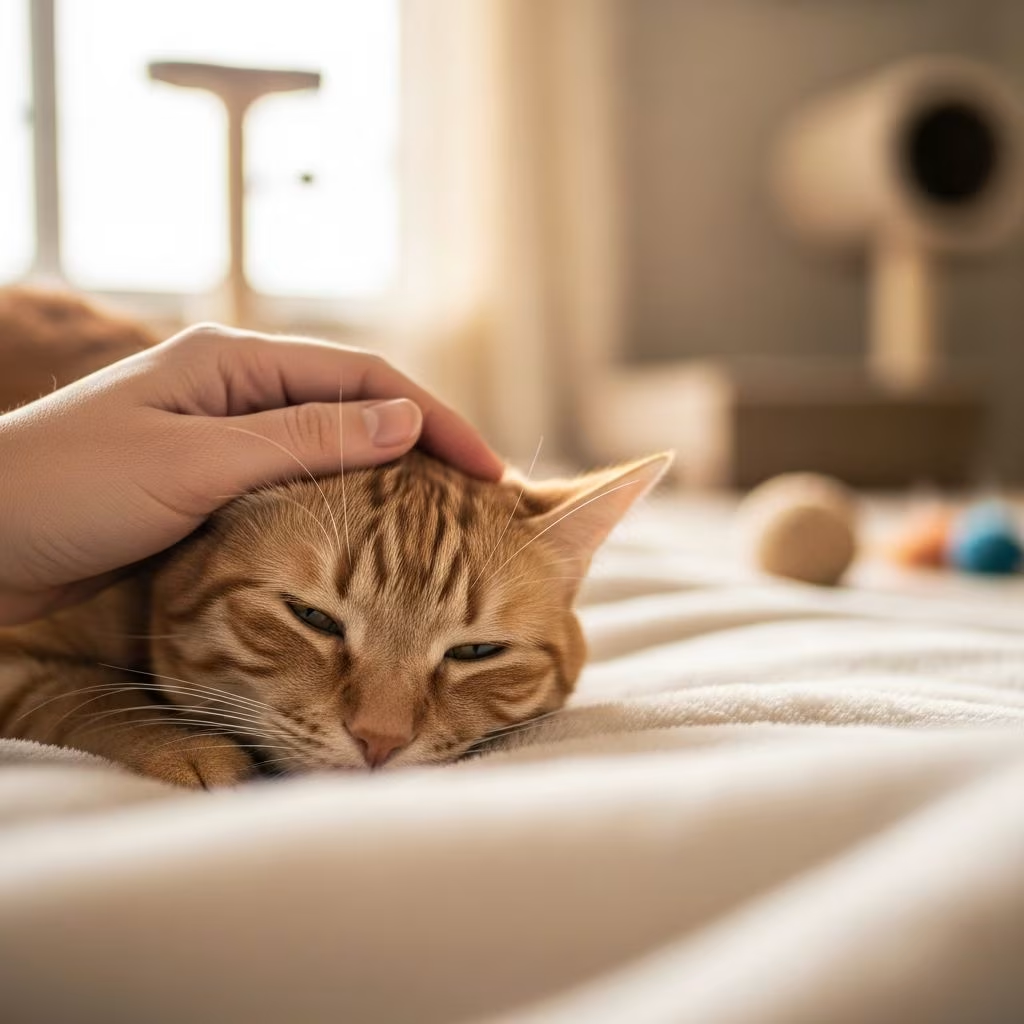
Skittish cats often hide from visitors or react fearfully to new situations due to their innate need for security. While some cats are naturally bold, others require gentle interventions to build confidence and reduce anxiety, fostering a safer home environment.
Creating a sense of safety is key, as secure cats are less likely to bolt at every doorbell ring or stranger’s arrival. This guide outlines **10 vet-approved tips** to help your cat become less skittish, drawing from behavioral strategies that promote trust and relaxation.
Top 10 Tips on How to Make a Cat Less Skittish
1. Provide a Safe Space
Cats thrive when they have a dedicated retreat for overwhelming moments, such as interactions with children, pets, or guests. Equip this space with familiar comforts like a soft cat bed, an enclosed box, or a high perch on a cat tower to make it inviting.
Position the safe space in a low-traffic area, ensuring easy access without feeling cornered. This sanctuary allows your cat to observe from afar, gradually reducing their flight response over time.
2. Add Cat Trees
Elevated vantage points like **cat trees** satisfy a cat’s natural curiosity while prioritizing safety. Place one in high-traffic areas, such as the living room, so your cat can monitor visitors from a secure height without direct engagement.
Cat trees with multiple levels, scratching posts, and hiding spots encourage exploration on their terms. This setup helps skittish cats associate social settings with positive, low-risk observation.
3. Stay in One Room During Visits
Confine activities to one or two rooms during guest visits to minimize your cat’s exposure to stress. This maintains their routine while providing ample space to avoid encounters.
Instruct visitors to let the cat approach first, avoid direct stares, and sit at floor level. These subtle cues respect feline boundaries, preventing startled reactions and building gradual trust.
4. Reward the Positive
**Positive reinforcement** through treats and affection encourages brave behavior. Keep high-value treats handy; when your cat ventures near guests, offer rewards calmly without overwhelming them.
Visitors should restrain excitement to avoid scaring the cat back into hiding. Consistent rewards link new people with pleasant outcomes, slowly desensitizing fear responses.
5. Foster a Calm Environment
Skittish cats are highly sensitive to chaos; create a serene atmosphere by minimizing loud music, sudden movements, and excited children. A quiet home signals safety, allowing your cat to lower defenses.
- Dim lights during gatherings to reduce visual overstimulation.
- Use white noise machines to mask startling sounds like doorbells.
- Schedule high-energy play before guests arrive to expend nervous energy.
6. Try Pheromones
Feline pheromones mimic comforting scents from mother cats, significantly lowering stress. Products like Feliway sprays or diffusers are vet-recommended for anxious cats, applied to bedding or safe spaces.
A 2016 study found pheromone therapy effective in soothing felines without side effects, making it ideal alongside behavioral changes. Start with a trial in problem areas for noticeable calm within days.
7. Tempt With Toys
Strategic toy placement associates visitors with fun. Scatter favorites like wand toys or balls in guest areas, adding fresh catnip to heighten appeal.
Engage in short play sessions post-visits to reinforce positivity. Toys tap into hunting instincts, distracting from fear and promoting confident interactions over time.
8. Use Food & Treats Strategically
Beyond rewards, routine feeding builds profound trust. Offer special wet food or tuna near safe zones during calm periods, letting your cat connect you with security.
Hand-feeding small portions during low-stress times accelerates bonding. Avoid forcing interactions; patience ensures food becomes a bridge to comfort.
9. Keep It Quiet
Cats’ acute hearing amplifies noises like laughter or doorbells, triggering escape instincts. Maintain moderate volumes during social events to invite participation.
Mute doorbells or use visual alerts. Quiet environments demonstrate predictability, essential for skittish cats wary of unpredictability.
10. Tap Into Playful Nature & Positive Reinforcement
Interactive play with varied toys—like lasers, feather wands, or puzzle feeders—boosts confidence. Combine with praise for small bravery steps, avoiding punishment which erodes trust.
Gradual exposure to stimuli at tolerable levels desensitizes fears. Track progress in a journal to celebrate milestones, reinforcing your cat’s growing security.
Understanding Why Cats Are Skittish
Skittishness often stems from genetics, poor kitten socialization, past trauma, or environmental stressors like loud homes or frequent changes. Breeds like Siamese may be bolder, while others like Turkish Vans prefer solitude.
Recognize signs: dilated pupils, flattened ears, tail twitching, or hiding. Early intervention prevents chronic anxiety; consult vets if behaviors persist, ruling out health issues like pain.
| Common Causes | Symptoms | Quick Fixes |
|---|---|---|
| Lack of socialization | Hiding from strangers | Safe spaces, gradual intros |
| Loud noises | Startled jumps | Quiet zones, pheromones |
| Past trauma | Aggression or avoidance | Positive reinforcement |
| Health pain | Irritability | Vet checkup |
Additional Strategies for Long-Term Success
Beyond the top 10, enrich daily life with scratching posts, window perches, and routines. Extra grooming and play sessions provide reassurance.
Monitor body language: slow blinks signal trust. If introducing new pets, use barriers for scent swapping first. Patience is paramount—progress may take weeks.
Frequently Asked Questions (FAQs)
Q: Why is my cat so skittish all of a sudden?
A: Sudden changes often result from recent stressors like moves, new pets, or illness. Create calm spaces and vet-check for underlying issues.
Q: How long does it take to make a skittish cat less fearful?
A: Varies by cat; consistent tips yield results in 2-4 weeks. Rushed efforts backfire, so prioritize gradual exposure.
Q: Are pheromones safe for all cats?
A: Yes, vet-approved products like Feliway are non-toxic, but test small areas and discontinue if reactions occur.
Q: Can skittish kittens outgrow the behavior?
A: Early socialization (2-7 weeks) prevents it best, but older cats improve with these methods.
Q: What if my cat remains extremely skittish?
A: Seek a veterinary behaviorist for tailored plans, possibly including medication alongside behavior therapy.
Conclusion
Reducing skittishness involves patience, safe havens, and positive associations. By implementing these **vet-approved tips**, your cat can transition from hiding to confidently joining family moments. Persistent issues warrant professional advice for optimal well-being.
References
- How to Make a Cat Less Skittish: 10 Vet Approved Tips & Tricks — Catster. 2023. https://www.catster.com/cat-behavior/how-to-make-cat-less-skittish/
- How to Make a Skittish Cat Friendly: 10 Great Vet-Verified Ways — Catster. 2023. https://www.catster.com/cat-behavior/how-to-make-a-skittish-cat-friendly/
- Why Is My Cat So Skittish? 5 Vet-Reviewed Reasons & Care Tips — Catster. 2023. https://www.catster.com/cat-behavior/why-is-my-cat-so-skittish/
- American Association of Feline Practitioners: Feline Behavior Guidelines — AAFP (catvets.com). 2022-10-01. https://catvets.com/public/PDFs/PracticeGuidelines/FelineBehaviorGuidelines.pdf
- Mills DS, et al. Stress and Pheromonatherapy in Cats — Journal of Feline Medicine and Surgery (sagepub.com). 2016-01-20. https://doi.org/10.1177/1098612X15627268



