

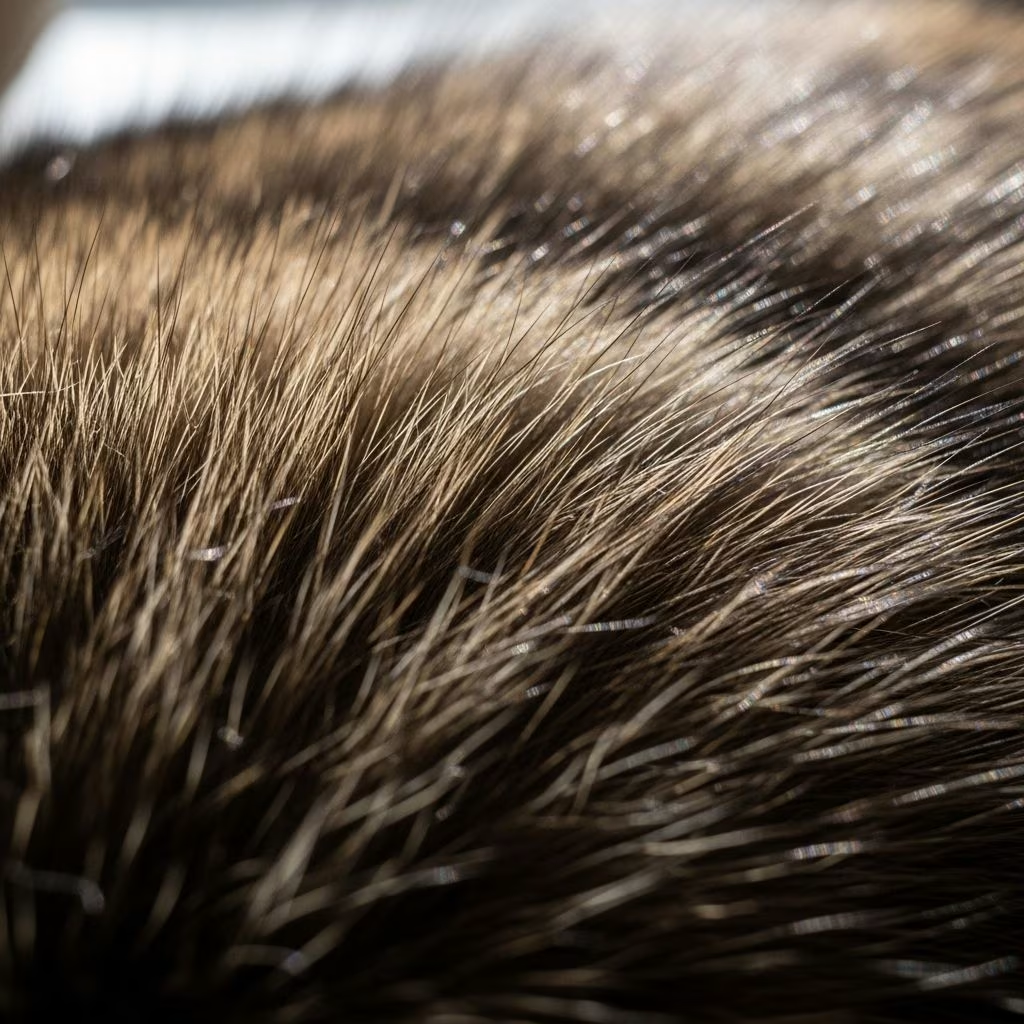
Cat hair loss, known as alopecia in veterinary terms, can be distressing for pet owners. While many cases are treatable, promoting faster regrowth requires addressing underlying causes like parasites, allergies, infections, or nutritional deficiencies. With proper care, including veterinary intervention, diet adjustments, grooming, and stress reduction, your cat’s fur can regrow within 1-2 months or longer depending on severity. This guide covers causes, treatments, home remedies, and prevention to help your feline regain a lush coat.
Why Is My Cat Losing Hair?
Hair loss in cats often stems from medical, environmental, or behavioral issues. Identifying the cause is crucial before attempting regrowth strategies, as untreated problems can worsen. Common triggers include:
- Parasites: Fleas, mites, or lice cause itching and self-trauma, leading to bald patches.
- Allergies: Food, environmental allergens, or flea bites prompt over-grooming.
- Infections: Ringworm (fungal), bacterial skin infections, or hotspots result in circular bald spots.
- Nutritional Deficiencies: Lack of protein, omega-3s, vitamins A, E, and B leads to thin, brittle fur.
- Stress (Psychogenic Alopecia): Anxiety causes excessive licking, mimicking baldness.
- Hormonal Imbalances: Hyperthyroidism or endocrine disorders cause symmetrical hair thinning.
- Other Factors: Poor grooming in long-haired breeds or aging skin issues.
Symptoms vary: patchy baldness, redness, scaling, or symmetrical loss. Always consult a vet for diagnosis via skin scrapes, biopsies, or blood tests.
Can Cat Hair Grow Back?
Yes, cat hair typically regrows once the underlying issue is resolved. Regrowth timelines vary: 1-2 months for mild cases like parasite removal, but chronic conditions like endocrine diseases may require lifelong management with partial regrowth. Factors speeding recovery include early intervention, nutrition, and gentle grooming to stimulate follicles. Full coats may take 3-6 months in severe alopecia. Monitor progress and follow up with your vet.
Veterinary Treatments for Cat Hair Loss
Professional care is essential for persistent hair loss. Vets tailor treatments to the diagnosis:
| Cause | Treatments | Expected Outcome |
|---|---|---|
| Parasites (Fleas/Mites) | Spot-ons (Fipronil, Imidacloprid, Selamectin), collars, environmental cleaning | Rapid itch relief; regrowth in 4-6 weeks |
| Ringworm/Fungal | Lime sulfur baths, oral antifungals (Itrafungol) | Full recovery in 2-3 months with hygiene |
| Allergies | Antihistamines, cyclosporine, hypoallergenic diets, immunotherapy | Reduced grooming; fur returns in 1-2 months |
| Infections | Antibiotics (Clavamox), antifungals, steroids | Skin healing promotes growth in weeks |
| Hyperthyroidism | Methimazole | Stabilized hormones aid long-term regrowth |
Additional options: pain meds (robenacoxib), topical ointments, or medicated shampoos. Home decontamination (vacuuming, washing bedding) prevents reinfestation.
Home Remedies to Encourage Cat Hair Growth
Support vet care with safe home strategies:
- Grooming: Brush daily with a soft brush to remove dead hair, improve circulation, and distribute oils. Use grooming gloves for sensitive cats.
- Stress Reduction: Provide perches, hiding spots, interactive toys (feather wands), pheromone diffusers (Feliway), and play sessions.
- Supplements: Omega-3 fatty acids, vitamins A/E/B, hydrolyzed proteins, or calming aids (Purina Pro Plan, Anxitane).
- Natural Herbs (Vet-Approved): Burdock root, nettle, chamomile for anti-inflammatory benefits; rosemary or echinacea for follicle stimulation. Avoid self-dosing.
Ensure fresh water for hydration, vital for skin health.
Best Diet for Cat Hair Regrowth
Nutrition fuels 30% of protein intake toward skin/coat renewal. Opt for:
- High-quality, protein-rich foods (30-40% protein).
- Omega-3 sources (fish oil) for shiny fur.
- Balanced vitamins/minerals; avoid deficiencies.
- Hypoallergenic or novel protein diets for allergies.
Consult vets for personalized plans. Supplements like those with fatty acids accelerate recovery.
Grooming Tips to Promote Hair Growth
Gentle grooming stimulates follicles:
- Use slicker brushes or combs 2-3 times weekly.
- Bathe sparingly with hypoallergenic shampoos.
- Massage skin during sessions for blood flow.
- Trim mats to prevent pulling.
Combine with diet for optimal results.
Preventing Future Cat Hair Loss
Proactive steps maintain coat health:
- Monthly flea preventives.
- Annual vet checkups for early detection.
- Balanced diet and hydration.
- Stress-free environment with enrichment.
- Regular grooming routines.
Long-haired breeds need daily brushing.
Frequently Asked Questions (FAQs)
Will my cat’s hair grow back after shaving?
Yes, unless an underlying issue persists. Regrowth takes 1-3 months; stimulate with grooming.
How long does it take for cat hair to grow back?
Typically 1-2 months post-treatment, up to 6 months for severe cases.
Can stress cause cat hair loss?
Yes, psychogenic alopecia from anxiety leads to over-licking; use Feliway and play.
What supplements help cat hair growth?
Omega-3s, vitamins A/E/B, and vet-approved herbs like nettle.
Is coconut oil safe for cat hair loss?
Limited evidence; use sparingly topically after vet approval to avoid GI upset.
(Word count: 1678)
References
- Alopecia in Cats: What It Is and Why Your Cat Is Losing Hair — PetMD. 2023. https://www.petmd.com/cat/conditions/skin/alopecia-cats-what-it-and-why-your-cat-losing-hair
- Common Cat Hair Loss Treatments and Remedies — Pet Cubes. 2023. https://petcubes.com/blogs/cat-losing-hair/cat-hair-loss-treatments
- Cat Hair Loss: Causes and Treatment — Best Friends Animal Society. 2023. https://bestfriends.org/pet-care-resources/cat-hair-loss-causes-and-treatment
- Addressing Cat Hair Loss at Home: Causes, Solutions, Tips — Bailey’s CBD. 2023. https://baileyscbd.com/blogs/cat-health/addressing-cat-hair-loss-at-home
- Treatment of Alopecia in Cats — PetMD (section). 2023. https://www.petmd.com/cat/conditions/skin/alopecia-cats-what-it-and-why-your-cat-losing-hair



