

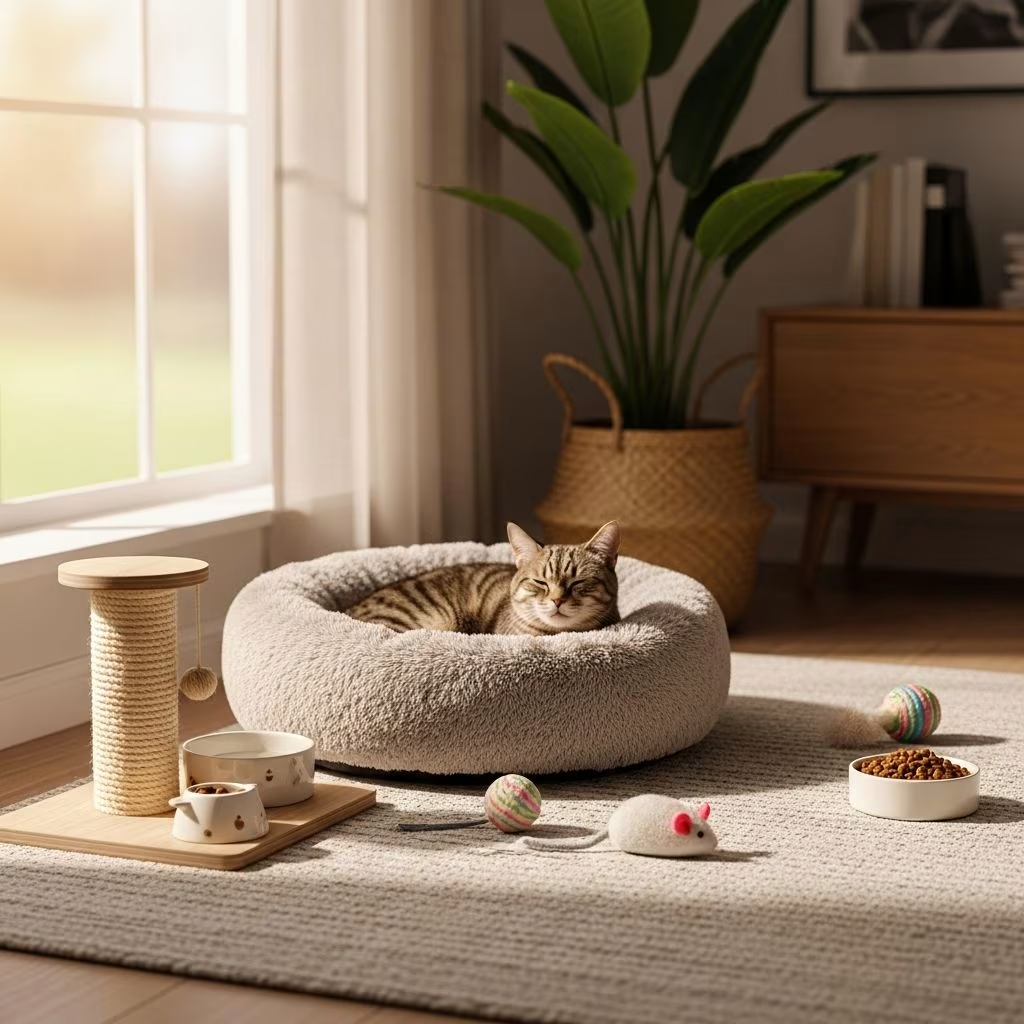
How to Make Your Cat Feel Safe in a New Home
Moving to a new home can be a stressful experience for both you and your feline companion. Cats are creatures of habit who thrive on routine and familiarity, so relocating to an unfamiliar environment can trigger anxiety and behavioral issues. However, with proper preparation and a thoughtful approach, you can help your cat adjust smoothly and feel secure in their new surroundings. This comprehensive guide provides essential strategies to ensure your cat’s safety and comfort during this significant transition.
Understanding Your Cat’s Needs During a Move
Before diving into specific strategies, it’s important to understand why cats struggle with relocation. Cats rely heavily on their sense of smell and familiar markers to navigate their environment. A new home lacks these familiar scents and territorial markers, which can make your cat feel vulnerable and disoriented. Additionally, the moving process itself—with its boxes, noise, and disruption—can be overwhelming for sensitive felines. Recognizing these challenges allows you to implement targeted solutions that address your cat’s psychological and physical needs during this transition period.
Create a Safe Room Before Arrival
One of the most effective strategies for helping your cat adjust to a new home is to establish a dedicated safe room before bringing them inside. This room serves as a secure base where your cat can retreat and gradually acclimate to their new environment without feeling overwhelmed by the entire house.
Choosing and Preparing the Safe Room
Select a quiet room such as a bedroom, bathroom, or living room that is away from the main activity areas of your home. This space should be small enough for your cat to feel secure but large enough to accommodate all their essential supplies. Before your cat arrives, ensure the room is thoroughly cleaned and free from any hazards or toxic substances that could endanger your feline friend.
Essential Supplies for the Safe Room
Your cat’s safe room must include the five fundamental items they need to feel secure:
- Food and water bowls — Place these in separate locations away from the litter box, as cats prefer to eat and drink away from their bathroom areas
- Litter box — Provide at least one litter box, preferably larger models that give your cat adequate space
- Comfortable bedding — Include soft blankets, beds, or cushions where your cat can rest and feel secure
- Scratching posts — These serve both physical and psychological needs, allowing your cat to mark territory and exercise
- Hiding places — Create multiple refuges including both low and high spaces where your cat can retreat when feeling anxious
A simple cardboard box with holes cut in both sides makes an excellent hiding place, especially when lined with a soft blanket. Provide both low-level hideouts and elevated spaces, as cats appreciate vertical territory that allows them to monitor their surroundings while maintaining a sense of security.
Establish Familiar Scents
Scent is paramount in helping your cat feel at home in a new environment. Before introducing your cat to the safe room, place items with familiar scents throughout the space to make it feel less foreign and overwhelming.
Using Scent Markers Effectively
Bring bedding, toys, or blankets from your previous home that carry familiar scents. You can also use your own scent by rubbing a soft cloth on your face and placing it in the safe room. This combination of familiar scents creates a comforting environment that helps reduce stress and anxiety. Additionally, encourage your cat to leave their own scent markers by providing scratching posts and rubbing surfaces where they can face-rub and mark territory. This natural marking behavior helps your cat feel a sense of ownership and control in the new space.
Implement Gradual Introduction Strategies
Rushing your cat into exploring a new home can increase anxiety and behavioral problems. Instead, implement a gradual introduction strategy that allows your feline to adjust at their own pace.
Phase One: The Safe Room Period
Keep your cat confined to the safe room for the first several days or even weeks, depending on their personality and comfort level. During this period, spend significant time in the room with your cat. However, avoid forcing interaction. Instead, allow your cat to approach you on their own terms. Coax them toward you using interactive toys, treats, or by sitting near their food bowl during feeding times. Once your cat realizes that you provide positive experiences and resources, trust will develop naturally.
Phase Two: Supervised Exploration
After several days to weeks—when your cat is comfortably walking around and living in the safe room—begin gradually expanding their access to the rest of the house. Open the safe room door for short periods while you supervise, allowing your cat to explore at their own pace. If your cat seems overwhelmed, simply let them return to the safe room to regroup. This gradual approach respects your cat’s need for control and reduces stress-induced behavioral issues.
Cat-Proof Your Entire Home
Creating a safe physical environment is just as important as addressing your cat’s emotional needs. A new home may contain unfamiliar hazards that pose risks to your feline companion.
Common Household Hazards to Address
| Hazard Type | Specific Risks | Safety Solutions |
|---|---|---|
| Electrical Cords | Chewing risks, electrocution, burns | Tuck away cords, use cord covers, unplug items when not in use |
| Windows and Balconies | Falls, escape risks, injuries | Secure screens tightly, keep windows closed when unsupervised, avoid balcony access |
| Toxic Plants | Kidney failure (lilies), liver failure (sago palm), poisoning | Remove toxic plants or store them in locked cabinets away from access |
| Breakable Items | Cuts from broken glass, injury risks | Store in locked display cabinets or high shelves out of reach |
| Small Objects | Choking hazards, intestinal blockages | Remove wine corks, bottle caps, and small toys with detachable parts |
| Appliances | Burns, entrapment, injury | Always check before use, keep doors closed, supervise loading |
Room-Specific Safety Considerations
Kitchen and Dining Areas: Store human food securely, avoid leaving toxic foods like chocolate, onions, and grapes within reach. Clean up spills immediately and keep table scraps away from your cat.
Bathrooms and Laundry Rooms: Keep toilet lids closed to prevent accidental falls. Always check washers and dryers before running a cycle, as cats love hiding in these warm, enclosed spaces. Keep electrical cords from hair dryers and other appliances out of reach and unplugged when not in use.
Bedrooms and Living Areas: Check reclining furniture and rocking chairs before sitting or closing them, as kittens can be crushed or injured. Block access to staircases using pet gates until your cat is comfortable with climbing. Secure blinds and drapes high and out of reach, as climbing these can result in falls.
Windows and Screens: Make sure windows are locked and secure to prevent escape, particularly during the first several months when your cat is unfamiliar with outdoor surroundings. Screens should be tightly latched and checked regularly for gaps or damage.
Provide Appropriate Environmental Enrichment
A safe home is only part of the equation. Your cat also needs enrichment opportunities to prevent boredom and behavioral issues in their new environment.
Essential Enrichment Items
- Scratching posts and cat trees — Provide sturdy scratching surfaces to satisfy natural scratching behavior and prevent furniture damage. These also serve as vertical spaces for climbing and observing
- Interactive toys — Use fishing pole toys, balls, and other interactive toys to engage your cat in play
- Safe cat toys — Inspect all toys regularly to ensure they have no small detachable parts that could be swallowed
- Window perches — Cats enjoy watching the outside world from windows. Provide safe window perches where they can observe birds and outdoor activity
- Vertical territory — Create elevated spaces like cat shelves or trees that allow your cat to climb and monitor their environment
Maintaining Routine and Consistency
In addition to physical enrichment, maintaining consistent feeding schedules, play times, and routines helps your cat feel more secure in their new home. Predictability reduces anxiety and helps your cat adjust more quickly to their new surroundings.
Essential Supplies and Setup
Beyond safety considerations, ensure you have all the supplies your cat needs to thrive in their new home:
- Litter box and litter — Most cats prefer clay litter that clumps well to reduce odors and litter tracking
- Comfortable bedding — Provide multiple soft beds, including memory foam options for optimal comfort
- Food and water bowls — Use separate bowls for food and water, placing them away from the litter box
- First aid and grooming supplies — Stock basic first aid items and grooming tools for regular maintenance
- Microchip and ID tags — Ensure your cat is microchipped and wears identification in case they escape
Building Trust With Your New Cat
Perhaps the most important aspect of helping your cat feel safe in a new home is building trust with them. Avoid forcing interaction or picking up your cat if they’re reluctant. Instead, let them initiate contact and reward them with treats, praise, and play.
Spend time sitting quietly in the safe room, reading or working, while your cat explores at their own pace. This presence helps your cat become accustomed to you without pressure. Play with them using interactive toys to create positive associations with you as a source of fun and enrichment.
Veterinary Care and Safety Measures
Don’t overlook the importance of veterinary care during your cat’s transition to a new home. Schedule an appointment with a veterinarian to ensure your cat is healthy and up-to-date on vaccinations. If your cat isn’t already microchipped, have this done immediately. A microchip is your cat’s best chance of being reunited with you if they escape from your new home.
Frequently Asked Questions
Q: How long should I keep my cat in the safe room?
A: The duration varies by cat, but most cats need at least a few days to a week in a safe room. Some may need several weeks. Watch for signs of comfort, such as regular eating, using the litter box, and playing, before expanding their access.
Q: What if my cat won’t eat in the new home?
A: Loss of appetite due to stress is common. Try warming food slightly to enhance its aroma, or offer favorite treats. If loss of appetite persists beyond a few days, contact your veterinarian to rule out medical issues.
Q: Should I let my new cat outside immediately?
A: No. Keep your cat indoors for at least the first several months while they adjust to their new home. Once they’re acclimated and if you choose to allow outdoor access, ensure they’re microchipped and vaccinated first.
Q: How can I help my cat if they’re showing signs of stress?
A: Maintain a calm environment, provide consistent routines, and ensure they have access to hiding places. If stress behaviors persist, consult a certified cat behaviorist or veterinarian for additional guidance and support.
Q: What if I have other pets at home?
A: Keep your new cat separated in the safe room initially. Introduce other pets gradually under supervision, allowing them to smell each other through doors before face-to-face meetings. This prevents overwhelming your new cat and reduces conflict.
References
- 30 Tips To Kitten-Proof Your Home — Chewy. Accessed January 14, 2026. https://www.chewy.com/education/cat/new-cat/30-tips-to-kitten-proof-your-home
- What Your Cat Needs to Feel Secure — Cat Friendly Homes. Accessed January 14, 2026. https://catfriendly.com/cat-friendly-homes/what-your-cat-needs-to-feel-secure/
- How to Cat-Proof Your House: 8 Steps to Make Your Home Safe for a New Cat or Kitten — Whisker. Accessed January 14, 2026. https://www.whisker.com/blog/how-to-cat-proof-your-house
- New Cat Checklist: Welcome Your New Feline Friend Home — Best Friends Animal Society. Accessed January 14, 2026. https://bestfriends.org/pet-care-resources/new-cat-checklist-welcome-your-new-feline-friend-home
- Essential Tips for Moving Cats to a New Home — Zippy Shell. Accessed January 14, 2026. https://www.zippyshell.com/blog/moving-cats-new-home-tips



