

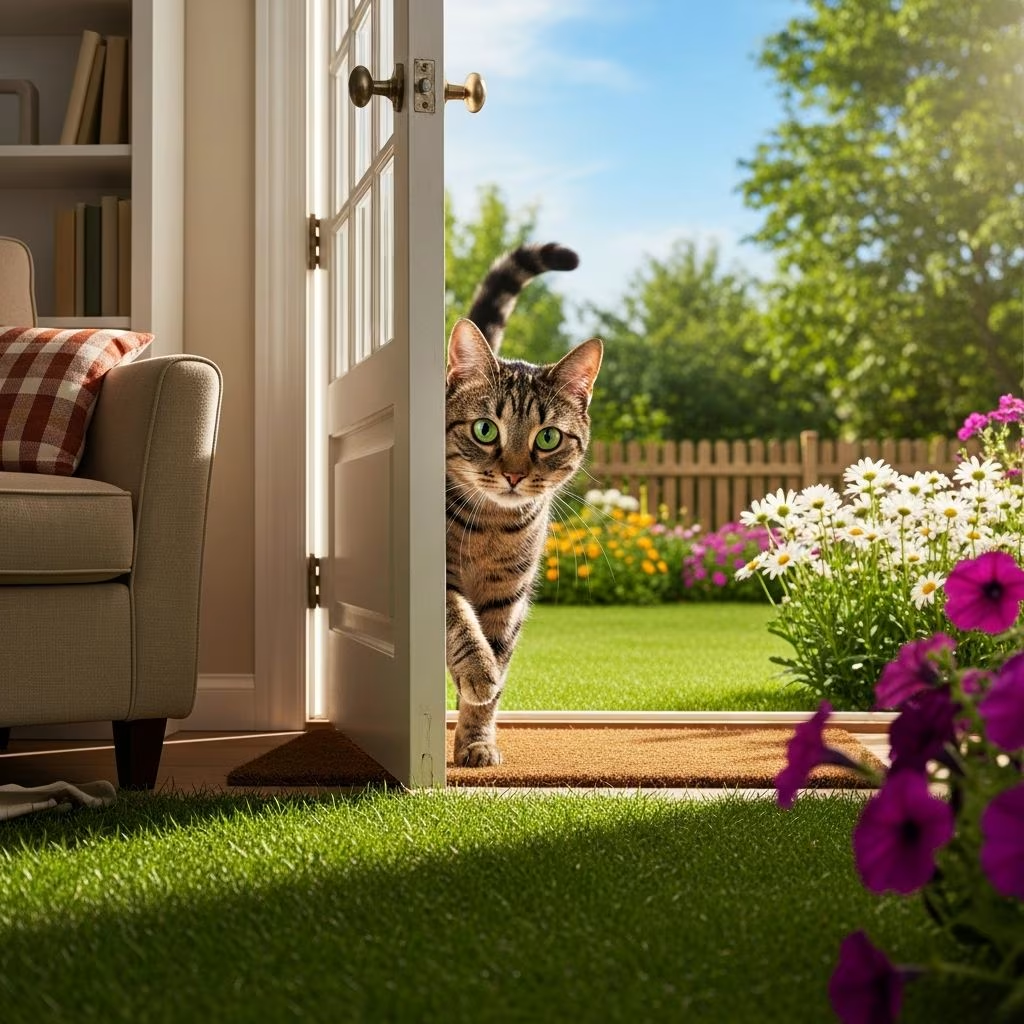
Transitioning an indoor cat to enjoy outdoor time requires careful planning to ensure their safety and comfort. While free-roaming poses risks like parasites, diseases, accidents, and toxins such as antifreeze, supervised or enclosed outdoor access can enrich their life without undue danger.
This guide outlines 10 practical, vet-recommended steps to help your cat adapt gradually, fostering confidence while prioritizing welfare. Always consult your veterinarian before starting, especially for cats with health issues.
The 10 Tips to Make an Indoor Cat an Outdoor Cat
1. Get Your Cat Used to Indoor Life First
Before any outdoor exposure, ensure your cat feels completely secure indoors. New kittens or adopted adults need time—typically weeks—to explore their home, recognize it as a safe base, and bond with you. A strong indoor foundation makes them more likely to return home after outdoor ventures.
Enrich their environment with scratching posts, cat trees, toys, and perches near windows for bird-watching. These mimic outdoor stimuli, reducing frustration. Secure screens on windows to prevent escapes, and provide cat grass for nibbling, simulating natural foraging.
2. Leash Training
Leash training is one of the safest ways to introduce outdoors. Start indoors: let your cat wear the harness for short periods, associating it with treats and play. Gradually move to supervised yard sessions, keeping the leash short initially.
Practice daily in a secure area. Cats may resist at first, dragging or freezing, but patience yields results—many adapt within days. This method prevents wandering, ingestion of toxins, injuries, or getting lost, while strengthening your bond.
- Choose a well-fitted harness (not collar) to avoid neck strain.
- Use high-value treats like tuna to reward tolerance.
- Keep sessions positive and short (5-10 minutes).
- Progress to walks only after indoor comfort.
3. Have a Routine
Cats thrive on predictability. Establish a consistent schedule: feed indoors before outings, release at the same time daily (e.g., morning), and call them in before dusk. Indoor feeding reinforces home as the food source, encouraging returns.
Start with brief outings (10 minutes), gradually increasing as confidence builds. Nighttime outdoors is risky due to predators and traffic—always bring them in before dark. A routine builds their internal clock, making transitions seamless.
4. Avoid Free Roaming Initially
Skip unsupervised free roaming at first. Risks include parasites (fleas, ticks, worms), diseases (feline leukemia, FIV), fights with strays, vehicles, and poisons. Supervised or enclosed access mitigates these.
Monitor closely during early explorations. Use bells on collars to alert wildlife, though effectiveness varies. Vaccinate fully, including rabies, and microchip for lost pet recovery.
5. Consider Securing Your Yard
Create a cat-proof yard with fencing extensions like slanted nets or roller bars to prevent climbing escapes. These barriers allow exploration without roaming far.
DIY or commercial options abound: install overhangs at 45 degrees atop fences or use coyote rollers. Combine with planting cat-safe greenery for natural appeal. This setup offers peace of mind for longer, unsupervised sessions.
6. Build or Buy a Catio
A catio (cat patio)—a screened enclosure attached to your home—provides fresh air, sights, sounds, and smells safely. Custom builds or pre-made units allow climbing, lounging, and bird-watching without escape risks.
Ideas include multi-level shelves, hammocks, tunnels, and weatherproof roofing. Place near a window for easy access. Catios enrich lives comparably to roaming, per animal welfare experts.
7. Supervise All Outdoor Time
Never leave your cat unattended outdoors initially. Stay nearby to intervene in dangers like dogs, traffic, or hazards. Gradual exposure builds street smarts while under protection.
As they gain experience, extend supervision distance, but always within earshot. Use a cue like a whistle paired with treats for reliable recalls.
8. Health Checks and Preventatives
Before outdoors, schedule a vet exam. Update core vaccines (FVRCP, rabies), test for FeLV/FIV, and start flea/tick/heartworm preventives. Spay/neuter reduces roaming urges and risks.
Regular deworming and monitoring for injuries or illnesses are essential. Outdoor access heightens parasite exposure, so monthly treatments are non-negotiable.
9. Provide Indoor Enrichment as Backup
Not all cats desire outdoors—respect their preferences. Maintain robust indoor setups: cat trees for climbing, interactive toys for hunting, puzzle feeders for foraging, and window perches.
Items like ripple rugs, track toys, and feather wands simulate prey. A enriched home ensures fulfillment if they remain indoor-only, preventing boredom-induced stress.
10. Monitor and Adjust Pace
Progress at your cat’s speed—some adapt in weeks, others months. Watch for stress signs: hiding, aggression, or refusal to go out. If disinterested, enrich indoors instead.
Periodically reassess: as they age or health changes, revert to indoor living. Patience ensures a positive experience.
Pros and Cons of Outdoor Access
| Pros | Cons |
|---|---|
| Exercise and mental stimulation | Higher disease/parasite risk |
| Natural behaviors (hunting, exploring) | Accidents (cars, fights) |
| Fresh air and sunlight | Toxins (pesticides, antifreeze) |
| Potentially longer lifespan with supervision | Predators and theft |
Balanced approaches like leashes or catios maximize benefits while curbing risks. Vets generally discourage free-roaming.
Frequently Asked Questions (FAQs)
What if my cat hates the outdoors?
Force nothing—many indoor cats live happily with enrichment. Add window seats, toys, and vertical space.
How long does transition take?
Weeks to months. Start slow with 10-minute sessions.
Is free-roaming safe?
No—risks outweigh benefits. Opt for supervised or enclosed options.
Can kittens go outside?
Wait until fully vaccinated (around 16 weeks) and indoor-adjusted.
What about apartment dwellers?
Harness walks or balcony catios work well.
Conclusion
Deciding between indoor-only and outdoor access weighs safety against enrichment. Leash training, routines, and enclosures offer the best of both worlds. Go slowly, prioritize health, and let your cat guide the process. With these tips, they can safely enjoy outdoor adventures while viewing home as their secure haven.
References
- How To Convert Your Outdoor Cat Into an Indoor Cat — Chewy. N/A. https://www.chewy.com/education/cat/training-and-behavior/converting-outdoor-cats-indoor-cats
- Keep Cats Safe at Home By Transitioning From Outdoor to Indoor — Multnomah County Pet Services. N/A. https://www.multcopets.org/news/keep-cats-safe-home-transitioning-outdoor-indoor
- How to Transition Your Cat to an Indoor/Outdoor Lifestyle — Humane Society of Huron Valley. N/A. https://www.hshv.org/how-to-transition-your-cat-to-an-indoor-outdoor-lifestyle/
- How to Bring an Outside Cat Indoors — Humane World for Animals. N/A. https://www.humaneworld.org/en/resources/how-bring-outside-cat-indoors
- How to Make an Indoor Cat an Outdoor Cat Safely (10 Vet-Approved Tips) — Catster. N/A. https://www.catster.com/cat-health-care/how-to-make-an-indoor-cat-an-outdoor-cat/
- Solutions Start at Home — Cats Safe at Home. N/A. https://www.catssafeathome.org/solutions-start-at-home



