

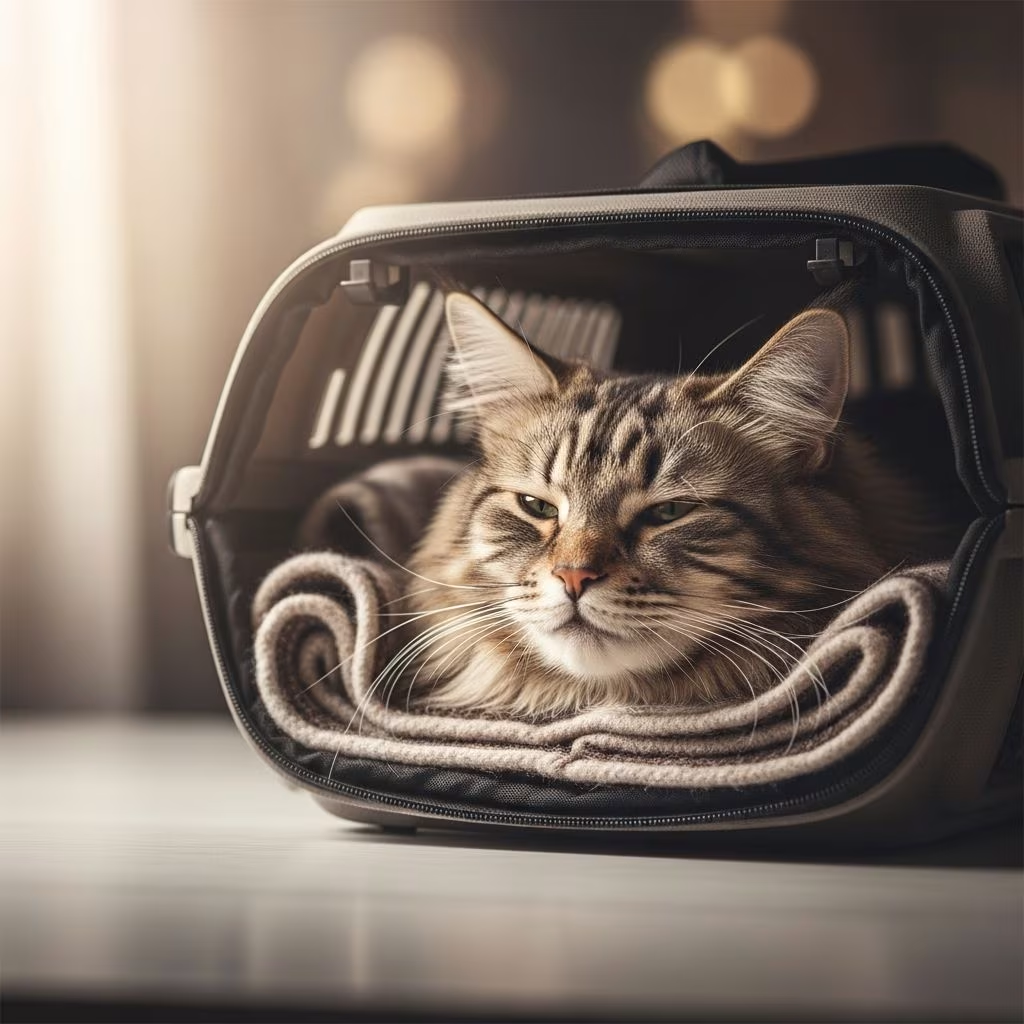
Veterinary visits are essential for your cat’s health but often trigger significant stress due to unfamiliar environments, car rides, and handling. Implementing preparation strategies like carrier acclimation and calming aids can transform these trips into manageable experiences, promoting better compliance and accurate assessments.
Why Vet Visits Stress Cats Out
Cats are wired for safety in familiar territories, making vet trips disruptive with new smells, sounds, and motions. Rescue cats or those with prior negative experiences may exhibit heightened fear, leading to hiding, aggression, or health masking. Routine checkups remain crucial to catch issues early, so proactive stress reduction ensures your cat receives optimal care without skipped visits.
The 10 Tips to Help Reduce A Cat’s Stress at the Vet’s
1. Find a Good Carrier
Select a sturdy, well-ventilated carrier with secure latches and easy access, ideally top-loading for stress-free exams. Hard-sided carriers offer better protection during travel, while soft ones suit storage. Ensure it’s large enough for comfort but not so big it allows excessive movement.
2. Let Your Cat Get Used to the Carrier
Introduce the carrier weeks ahead by leaving it open in a quiet room with familiar bedding inside. Pair it with positive associations using treats, toys, or meals fed inside. Gradually progress to short door closures and stationary car setups to build tolerance.
- Start with 5-10 minutes of door-closed time daily.
- Feed meals inside over 1-2 weeks.
- Practice lifting and moving the carrier gently.
3. Speaking of Treats, Use Them
High-value treats like tuna, chicken, or commercial lickable treats create positive links. Offer them near or inside the carrier daily, then during loading and travel. This counter-conditions fear responses, making the process rewarding.
4. Practice Car Rides
Acclimate your cat to car travel with short, positive trips unrelated to vets—around the block or to a park. Use a covered carrier, play soothing music, and reward calmly. Gradually extend durations to mimic vet journeys, reducing motion sickness and anxiety buildup.
| Practice Stage | Duration | Rewards |
|---|---|---|
| Stationary in car | 5 minutes | Treats + praise |
| Short drive | 5-10 minutes | Calming petting |
| Full simulation | 20+ minutes | High-value food |
5. Use Towels or Blankets
Cover the carrier with a light towel or blanket during transport and waiting to block visual stressors like dogs or strangers. This creates a den-like security, muffling sounds and reducing stimulation. Remove only in the exam room for assessment.
6. Calming Sprays, Wipes, or Diffusers
Synthetic feline pheromones like Feliway mimic calming signals. Spray carrier interiors 15 minutes before departure, wipe bedding, or use plug-ins at home pre-trip. Test effectiveness on non-vet stress days first, as responses vary.
7. Talk to Your Vet Ahead of Time
Call the clinic beforehand to discuss your cat’s temperament. Request cat-only hours, back-door entry, or minimal handling. Fear Free or Cat Friendly Practices® certified vets prioritize low-stress techniques, often elevating carriers or allowing acclimation time.
8. Supplements or Medication
Vet-recommended calming supplements (e.g., L-theanine, chamomile) or short-term prescriptions reduce severe anxiety. Administer 1-2 hours pre-trip after trialing at home. Avoid self-medicating; consult for safety.
9. Choose a Cat-Friendly Vet Clinic
Seek practices with separate cat waiting areas, elevated perches, quiet exam rooms, and trained staff. Programs like AAHA or AAFP Cat Friendly Practices ensure protocols minimize restraint and prioritize cat-led exams.
- Cat-only entrances/waiting rooms.
- Pheromone diffusers throughout.
- Minimal handling until settled.
10. Stay Calm Yourself
Your anxiety transfers to your cat via pheromones and body language. Breathe deeply, speak softly, and handle confidently. A composed owner fosters security, easing the overall experience.
Additional Strategies for Success
Beyond basics, consider cat-specific music during travel—studies show it lowers stress behaviors. Schedule morning appointments when clinics are quieter. For multi-cat homes, isolate the traveler to avoid group stress. Post-visit, provide a quiet recovery space with familiar items.
Importance of Regular Vet Visits
Annual exams detect issues like dental disease, kidney problems, or hyperthyroidism early, extending lifespan. Stress reduction ensures thorough evaluations without defensive behaviors masking symptoms. Never skip due to resistance—health outweighs temporary discomfort.
Frequently Asked Questions (FAQs)
What if my cat fights the carrier?
Use gloves for safety, corner gently without force, and lure with treats. If extreme, consult vet for sedation options pre-visit.
Are calming pheromones safe?
Yes, for most cats; they’re non-sedating and vet-endorsed. Test for reactions.
How often should cats see the vet?
Yearly for adults; biannually for seniors (11+ years).
What are signs of vet stress?
Hiding, vocalizing, aggression, dilated pupils, or hiding illness.
Can I train kittens differently?
Yes, start carrier exposure at 8 weeks for lifelong ease.
Long-Term Benefits of Stress-Free Vet Care
Consistent low-stress visits build tolerance, improve vet-client bonds, and encourage preventive care. Cats in Fear Free environments show better health outcomes, with reduced cortisol levels aiding recovery. Invest time now for smoother future trips.
References
- How to Get Your Cat to the Vet: 6 Vet-Approved Tips — Catster. 2023. https://www.catster.com/cat-health-care/how-to-get-your-cat-to-the-vet/
- Cat Friendly Practices® Can Reduce Stress of Vet Visits — Feline Veterinary Medical Association / AAFP. 2014-07-02. https://www.youtube.com/watch?v=lp1f7aHODoM
- Is My Cat Stressed or Sick? Vet-Reviewed Signs & Ways to Help — Catster. 2023. https://www.catster.com/cat-health-care/is-my-cat-stressed-or-sick/
- How to Calm a Cat Down: 8 Vet-Approved Ways — Catster. 2023. https://www.catster.com/cat-health-care/how-to-calm-a-cat-down/
- How to Make a Vet Visit Less Stressful For Your Cat — Catster. 2023. https://www.catster.com/felines-weekly/how-to-make-a-vet-visit-less-stressful-for-your-cat/
- How to Reduce Stress With Your Cat at the Vet — American Animal Hospital Association (AAHA). 2023. https://www.aaha.org/resources/how-to-reduce-stress-with-your-cat-at-the-vet/



