

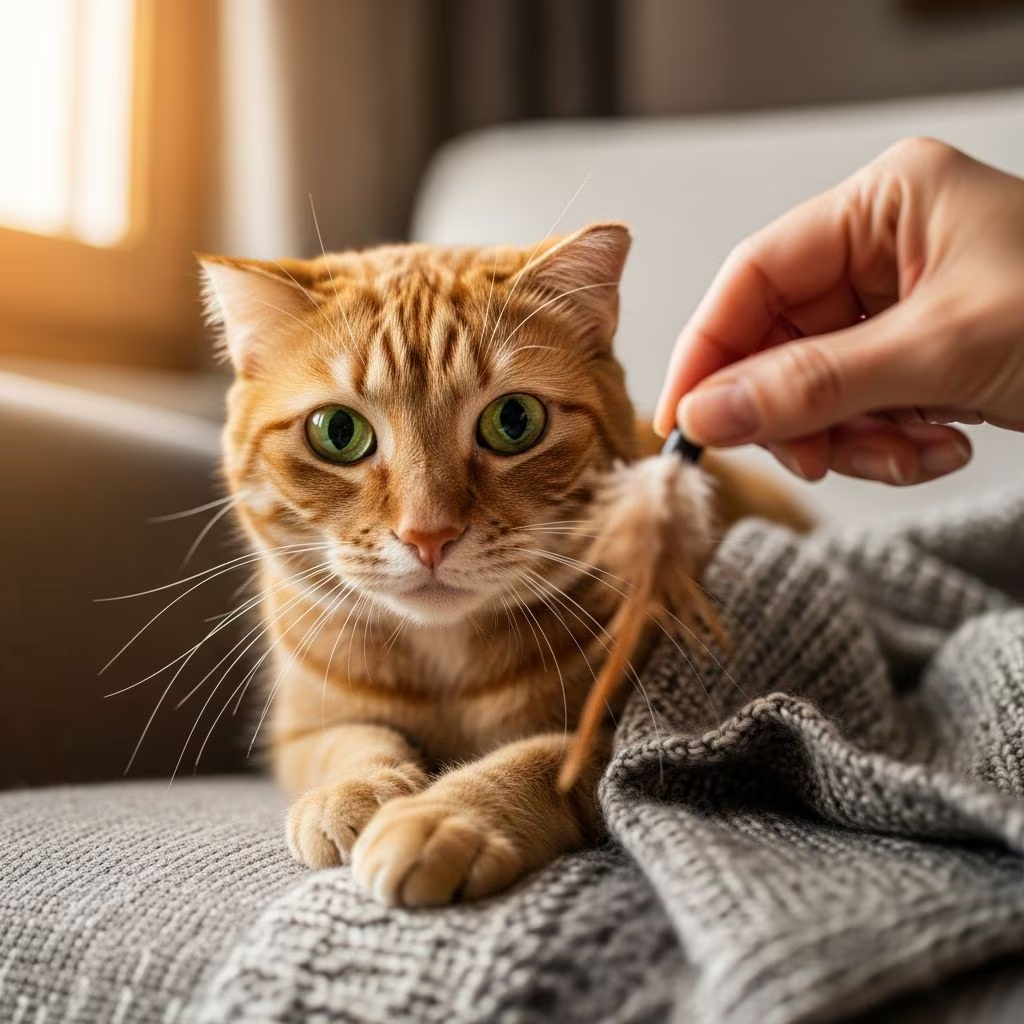
Skittish cats often hide, flee from interaction, or display tense body language due to fear or past experiences. With patience and targeted strategies, you can help your cat feel secure and gradually become more friendly and outgoing.
What Is a Skittish Cat?
A skittish cat exhibits excessive fear or anxiety in everyday situations, such as approaching people, new sounds, or changes in environment. These cats may freeze, hide frequently, or react aggressively when cornered, stemming from their natural instinct as both predators and prey.
Unlike bold cats that seek attention, skittish ones prioritize safety, often tucking into small spaces or showing defensive postures. Recognizing this behavior early allows for intervention before it escalates to chronic stress.
Signs of a Skittish or Fearful Cat
Fearful cats communicate discomfort through distinct body language and behaviors. Observing these signs helps you respect their boundaries and avoid worsening anxiety.
Body Language Indicators
- Stiff body and freezing: Cat tenses up, crouches low, or freezes in place to assess threats.
- Ears back and flattened: Indicates discomfort or aggression preparation.
- Dilated pupils and wide eyes: Large pupils signal high arousal from fear.
- Puffed tail and fur (piloerection): Cat appears larger to deter threats; arched back often accompanies this.
- Tail signals: Stiff tail held high and vibrating, rapid swishing, or tucked between legs shows agitation or extreme fear.
- Whiskers pulled back: Fearful cats draw whiskers close to face to minimize profile.
Behavioral Signs
- Hiding or fleeing: Consistent running to safe spots or avoiding interaction.
- Vocalizations: Growling, hissing, yowling, or shrieking escalates with stress intensity.
- Aggressive defenses: Swatting, clawing, biting, or spitting when escape isn’t possible.
- Other changes: Excessive meowing, appetite loss, litterbox issues, or sudden disinterest in play.
Positive signs of relaxation include soft eyes, loose tail (question-mark shape), and calm grooming, indicating your cat feels safe.
Why Is My Cat Skittish?
Several factors contribute to skittishness, often rooted in early life or genetics. Understanding causes guides effective help.
- Genetics and personality: Some cats are born more timid, with higher arousal thresholds.
- Early trauma or lack of socialization: Limited human interaction, abuse, or neglect in kittenhood creates lasting fear associations.
- Environmental triggers: Loud noises, new people, visitors, or household changes like moves or additions overwhelm sensitive cats.
- Health issues: Sudden behavior shifts may signal illness; hiding or aggression can mask pain or sickness.
Ruling out medical causes with a vet visit is crucial, as untreated conditions exacerbate fear.
How to Help a Skittish Cat Feel Safe
Creating a secure environment reduces baseline anxiety, setting the foundation for trust-building.
- Provide hiding spots: Boxes, tunnels, or elevated perches allow retreat without pressure.
- Maintain routine: Consistent feeding, play, and quiet times minimize surprises.
- Use pheromone diffusers: Products mimicking calming cat scents help soothe nerves.
- Quiet interactions: Speak softly, move slowly, and avoid direct stares; lie down near the cat to appear less threatening.
Steps to Make Your Skittish Cat More Friendly
Patience is key—progress may take weeks or months. Force interactions backfire; focus on positive associations.
- Observe and respect signals: Back off at early stress signs like ear flattening or tail flicking to prevent escalation.
- Start from afar: Sit quietly nearby during meals or treats, letting the cat approach voluntarily.
- Use slow blinks: Return slow blinks to signal trust and non-threat; this builds emotional bonds.
- Incorporate play: Use wand toys for distant interaction, channeling energy positively without touch.
- Gradual desensitization: Introduce triggers (e.g., guests) at low intensity, rewarding calm behavior with treats.
- Touch progression: Begin with gentle head pets only when initiated; watch for relaxation cues like kneading.
Track progress in a journal to celebrate small wins, like reduced hiding time.
Common Mistakes to Avoid
Well-intentioned actions often increase fear. Steer clear of these pitfalls:
- Forcing affection: Picking up or cornering leads to bites or lasting distrust.
- Punishing fear: Scolding reinforces anxiety rather than correcting behavior.
- Ignoring health checks: Behavioral changes warrant vet exams to exclude pain.
- Overstimulation: Too much petting causes tail flicking or swats; stop at first tension.
Frequently Asked Questions (FAQs)
Why is my cat suddenly skittish?
Sudden changes often stem from illness, new environments, or stressors like loud noises. Consult a vet to rule out medical issues.
Can a skittish cat become friendly?
Yes, with consistent, patient efforts, many skittish cats learn to trust and enjoy interaction, though some remain reserved.
How long does it take to help a fearful cat?
Timelines vary: weeks for mild cases, months for severe trauma. Genetics influence full sociability.
What if my cat hides all the time?
Provide safe spaces but encourage emergence with routine feeding nearby. Avoid dragging them out.
Is my skittish cat in pain?
Possibly—appetite changes, aggression, or hiding signal potential health problems. Schedule a vet visit.
Advanced Tips for Persistent Skittishness
For cats unresponsive to basics, consider professional behaviorists or vet-prescribed anti-anxiety meds alongside training.
- Counter-conditioning: Pair triggers with high-value treats to rewire associations.
- Enrichment: Puzzle feeders and vertical spaces boost confidence.
- Multi-cat homes: Slow introductions prevent territorial stress.
Monitor litterbox use and eating; regressions signal setbacks needing adjustment.
References
- Shy and Fearful Cats: The Complete Guide — San Diego Humane Society. 2023. https://sdhumane.org/resources/shy-and-fearful-cats-complete/
- Cat Behavior Problems – Fears and Phobias — VCA Animal Hospitals. 2024. https://vcahospitals.com/know-your-pet/cat-behavior-problems—fears-and-phobias
- Shy or Fearful Cats — WebMD. 2023. https://www.webmd.com/pets/cats/shy-fearful-cats
- The Definitive Guide to Cat Behavior and Body Language — Tuft & Paw. 2024. https://www.tuftandpaw.com/blogs/cat-guides/the-definitive-guide-to-cat-behavior-and-body-language
- Why Is My Cat Scared of Everything? — Litter-Robot. 2024. https://www.litter-robot.com/blog/how-to-help-skittish-kitty/
- Cat Phobias: Managing Your Cat’s Skittish Nature — CatGenie. 2023. https://www.catgenie.com/blogs/catgazette/cat-phobias-managing-your-cat-s-skittish-nature
- Shy Cats – How to Help Your Cat Relax — Cats Protection. 2024. https://www.cats.org.uk/help-and-advice/cat-behaviour/shy-cats



