

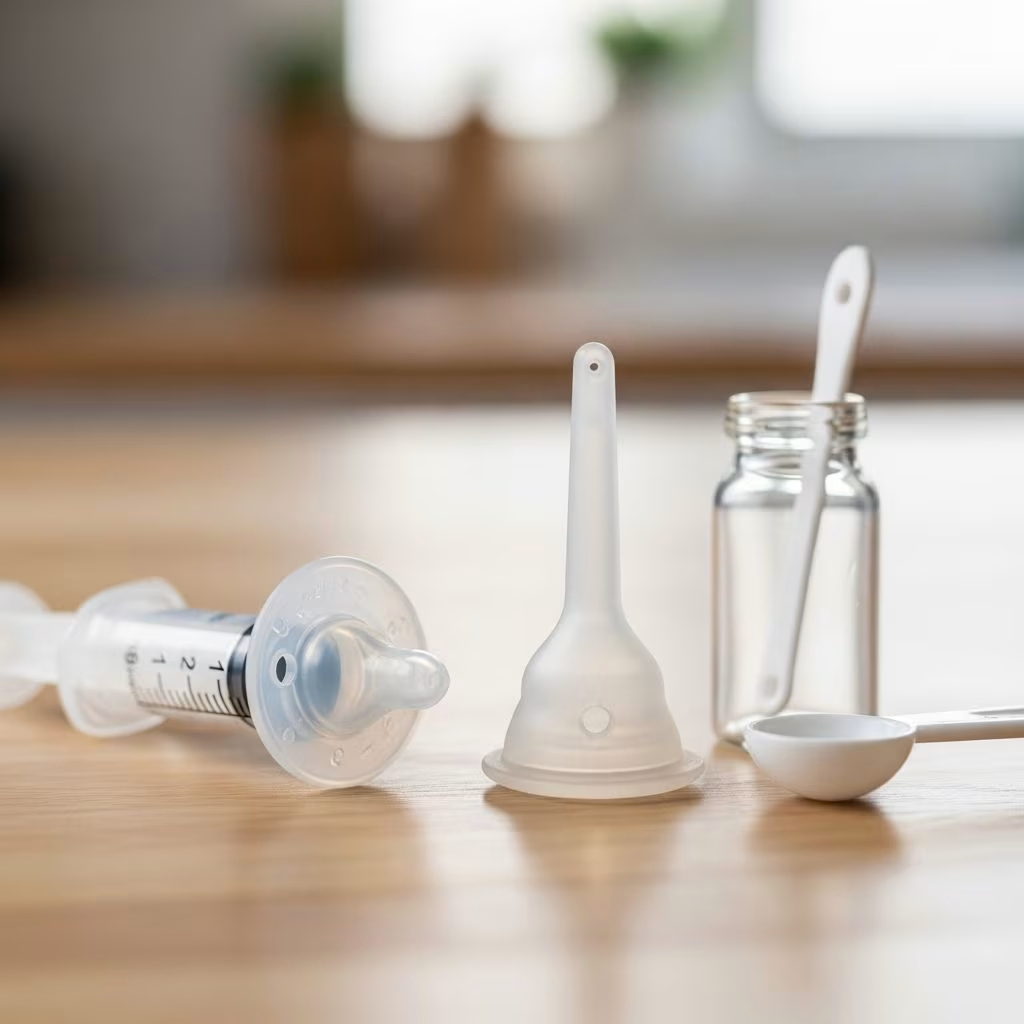
Many kittens, especially those orphaned, weaned too early, or separated from their mother, exhibit strong suckling behaviors. This instinctual action provides comfort and mimics nursing from their mother. A DIY kitten pacifier can help satisfy this need without associating it with food, making weaning smoother. These homemade solutions are simple, cost-effective, and use readily available materials.
Why Kittens Need Pacifiers
Kittens naturally suckle for nourishment and comfort. Orphaned kittens or those weaned prematurely may continue suckling on blankets, toys, littermates, or even human skin, known as ‘making biscuits’ or comfort nursing. This behavior is harmless but can become excessive, leading to irritation or overstimulation. A pacifier interrupts the food association, offering a safe outlet. It’s particularly useful for litters without a mother or singletons needing extra soothing.
Commercial kitten pacifiers are rare, so DIY options fill the gap. They promote relaxation, reduce stress, and aid in transitioning to solid food. Always monitor for acceptance, as not all kittens need or want one—if they don’t suckle excessively, no intervention is required.
How to Make a Kitten Pacifier
Creating a kitten pacifier takes minutes with basic supplies. Two primary methods exist: one using a baby pacifier attached to a comfort object, and another repurposing a kitten bottle. Both prioritize safety, using soft materials and short attachments to prevent hazards like strangulation.
Option One: Baby Pacifier Method
This approach combines a familiar comfort item with a soft pacifier nipple, ideal for kittens familiar with blankets or toys.
- Purchase a Baby Pacifier
Opt for the smallest size available, as kittens have tiny mouths. Latex pacifiers are softer and more appealing, though silicone works well too. Avoid hard plastic, which can damage gums. Reuse sanitized pacifiers from human babies or previous kittens, ensuring no lingering scents deter the kitten. - Choose a Familiar Object
Select something the kitten already suckles or snuggles, like bedding, a blanket, or stuffed toy. It should be plush, mother-sized for cuddling, but portable—not oversized like a human pillow. Cut larger items like pillowcases to fit. Familiarity is key; avoid new objects to ensure quick acceptance. - Attach the Pacifier and Comfort Object
Use thick, strong string to securely tie the pacifier close to the object, making it feel integrated. Trim excess string to eliminate strangulation risks. The short cord prevents tangling. Test stability to ensure it withstands kneading paws.
Tip: Introduce during calm moments, like nap time, placing it near the kitten’s preferred spot.
Option Two: Kitten Bottle Method
Perfect for very young kittens already using bottles for formula feeding. This reuses equipment you likely have.
- Purchase or Reuse a Kitten Bottle
Grab a spare kitten nursing bottle with a nipple. If weaning from formula, fill the bottle with water (no milk) for weight and realism without feeding. Ensure the nipple has no hole or seal it to prevent liquid flow—this turns it into a pure comfort tool. - Prepare for Use
Attach the bottle to a soft cloth or familiar toy if desired, using safe ties. For singletons, pair with a warm stuffed surrogate under a heat lamp to simulate a mother cat’s warmth. - Encourage Adoption
Offer during rest periods. The bottle’s familiarity encourages suckling without nutrition.
This method shines for bottle-dependent kittens, easing the shift from milk to pacifier.
How Can I Make My Kitten Take a Pacifier?
Not every kitten accepts a pacifier immediately—or at all. Force isn’t advised; let them discover it naturally. Strategies include:
- Use Familiar Scents: Rub the pacifier on the kitten’s bedding or a sibling for recognition.
- Timing is Everything: Present during relaxed states, like after play or feeding, when suckling urges peak.
- Pair with Comfort: Place in a warm, dark nest with littermates or a heat source mimicking sunlight.
- Observe Behaviors: Only intervene if suckling targets skin, ears, or littermates excessively. Normal weaning suckling on fabrics is fine.
- Patience: It may take days. If rejected, it signals the kitten doesn’t need it—positive for natural weaning.
Some kittens prefer creative setups, like rabbit skin ‘capes’ with embedded nipples pinned to a surrogate for communal nursing. Experiment safely.
Safety Considerations for DIY Kitten Pacifiers
Prioritize kitten welfare:
- Supervise Always: Monitor initial uses to prevent chewing off parts.
- Clean Regularly: Sanitize daily with mild soap and hot water; dry thoroughly.
- Check Materials: Use non-toxic, washable items. No loose threads or small parts.
- Size Appropriately: Ensure portability and no choking hazards.
- Wean Off Gradually: Once suckling decreases (around 8-12 weeks), remove slowly to avoid dependency.
| Method | Pros | Cons | Best For |
|---|---|---|---|
| Baby Pacifier + Object | Cheap, small, customizable | Requires attachment | Weaning kittens 4+ weeks |
| Kitten Bottle | Familiar, weighted realism | Bulkier, needs sealing | Bottle-fed orphans <4 weeks |
When to Stop Using a Kitten Pacifier
Pacifiers are temporary. Discontinue as the kitten ages and suckling fades, typically by 12 weeks when fully on solids. Signs to wean: reduced interest, weight gain, active play. Abrupt removal works if non-food associated; taper by limiting access. Persistent adult suckling may indicate stress—consult a vet.
Benefits of Homemade Pacifiers
Beyond soothing, they:
- Reduce orphan stress, improving appetite and growth.
- Prevent littermate irritation from over-nursing.
- Support emotional development, mimicking maternal care.
- Cost under $5 vs. scarce commercial options.
Frequently Asked Questions (FAQs)
Why does my kitten suckle on me?
Comfort seeking from early weaning or maternal separation. A pacifier redirects this.
Can all kittens use pacifiers?
No—only those with excessive suckling. Many self-wean naturally.
Is it safe to use human baby pacifiers?
Yes, if small, soft (latex/silicone), and sanitized. Avoid plastic.
How long should a kitten use a pacifier?
Until suckling diminishes, around 8-12 weeks. Wean gradually.
What if my kitten ignores the pacifier?
It’s fine; monitor for issues. Try familiar scents or timing tweaks.
Final Thoughts
DIY kitten pacifiers are a compassionate, easy solution for suckling kittens. Option one with baby pacifiers suits most, while bottle reuse aids the youngest. Safety and observation ensure success. These tools bridge the gap until kittens thrive independently, fostering happy, healthy growth.
References
- How to Make a Kitten Pacifier at Home: 2 Easy Options — Catster. 2023. https://www.catster.com/lifestyle/how-to-make-a-kitten-pacifier-at-home/
- Pacifier for suckle – fixated kittens — ClowderMama (YouTube). 2020-10-08. https://www.youtube.com/watch?v=VzxZPe26yqY
- Tiny orphan kitten Nelvana using her kitten pacifier — Tiny Kittens (YouTube). N/A. https://www.youtube.com/watch?v=QNU_rSe8fJk



