

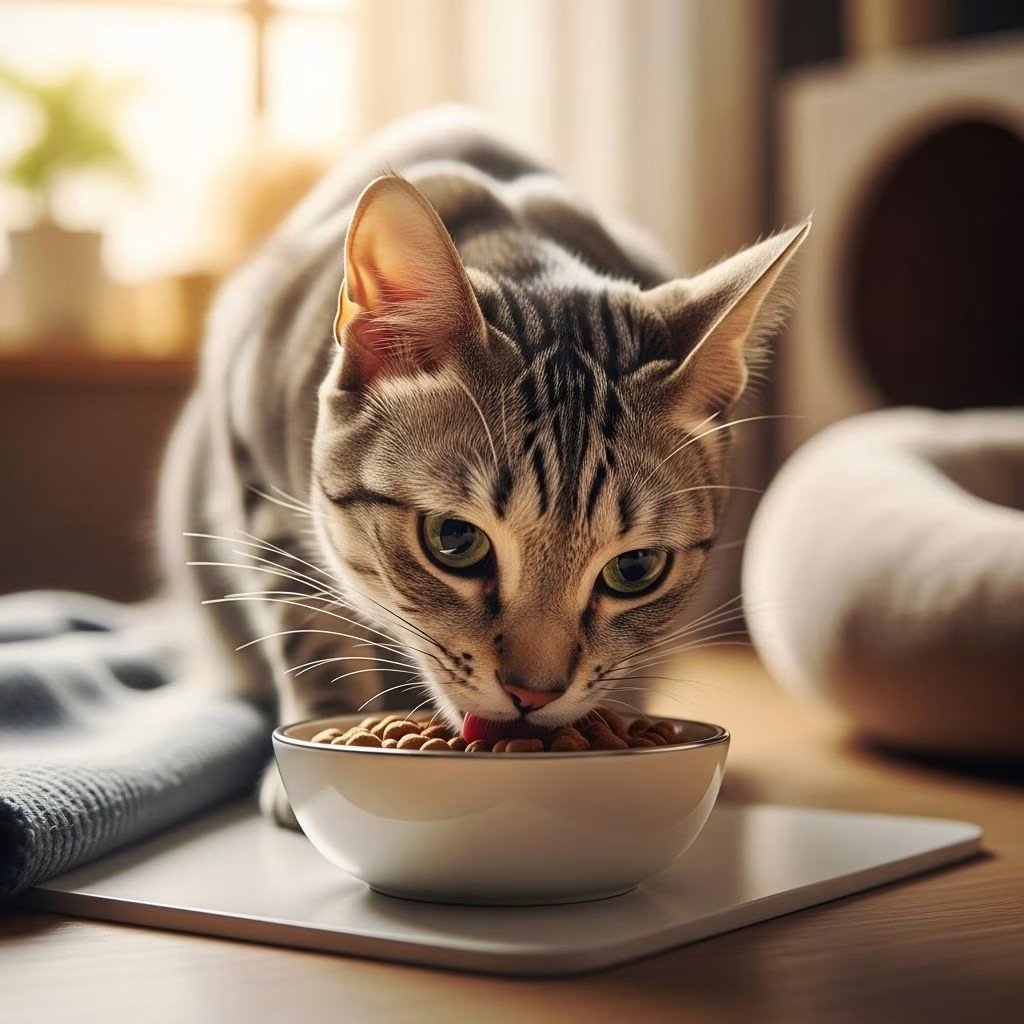
Hyperthyroidism is a common condition in older cats, characterized by an overactive thyroid gland that accelerates metabolism, leading to rapid weight loss despite increased appetite. Helping your cat regain weight requires addressing the underlying disease while optimizing nutrition and activity. This guide outlines the four primary strategies to achieve healthy weight gain in hyperthyroid cats, drawing from veterinary recommendations.
What Is Hyperthyroidism in Cats?
Hyperthyroidism occurs when a cat’s thyroid gland produces excessive thyroid hormones, speeding up the body’s metabolic processes. This results in symptoms like significant weight loss, voracious hunger, hyperactivity, increased thirst and urination, vomiting, diarrhea, poor coat quality, and behavioral changes such as restlessness or aggression. Affecting primarily senior cats over 10 years old, it impacts up to 10% of geriatric felines. Without intervention, it can lead to heart disease, kidney issues, and muscle wasting. Early diagnosis via blood tests measuring T4 levels is crucial, followed by tailored treatments to normalize hormone levels and support weight recovery.
The 4 Ways to Make a Hyperthyroid Cat Gain Weight
Weight gain in hyperthyroid cats hinges on stabilizing thyroid function first, then enhancing caloric intake and muscle rebuilding. Here are the four evidence-based approaches:
1. Control the Disease
The cornerstone of weight management is controlling hyperthyroidism to halt the catabolic state where the body burns calories excessively. Antithyroid medications like methimazole (FDA-approved as Felimazole tablets or Felanorm solution) are the most common first-line treatment, administered orally once or twice daily for life. These drugs inhibit thyroid hormone production, typically normalizing levels within weeks. Regular blood tests (every 3-6 months) monitor T4, kidney function, and liver enzymes, with dosage adjustments as needed.
Alternative options include:
- Radioactive iodine (I-131) therapy: A single injection destroys overactive thyroid tissue, considered the gold standard with a 95% success rate and no lifelong medication. It’s performed at specialized facilities and costs $1,500-$2,000, but often curative.
- Surgical thyroidectomy: Removes enlarged thyroid lobes, effective but riskier due to potential parathyroid damage affecting calcium levels.
- Iodine-restricted prescription diets: Like Hill’s y/d, which limits iodine intake to reduce hormone synthesis. Effective if strictly adhered to, preventing treats or prey.
Once controlled, cats often regain appetite regulation and start gaining weight naturally.
2. Change to a Prescription Diet
Veterinarians may recommend iodine-limited therapeutic diets as monotherapy or adjunct therapy. These foods, such as Hill’s Prescription Diet y/d, contain less than 0.32 ppm iodine, curbing thyroid hormone production while providing balanced nutrition for weight gain. After 2-4 weeks, T4 levels drop, and after months of exclusive feeding, they normalize, automatically supporting muscle mass recovery.
Key rules for success:
- Feed only the prescription food—no treats, table scraps, or hunted prey, as even small iodine sources disrupt efficacy.
- Monitor indoor-only cats to prevent hunting.
- Transition gradually over 7-10 days to avoid digestive upset.
These diets are palatable and calorie-dense, aiding weight restoration without additional effort. Consult your vet to confirm suitability, especially if kidney disease coexists.
3. Change Your Cat’s Food Yourself
If prescription diets aren’t needed or tolerated, select high-protein, high-calorie commercial foods post-vet approval. Hyperthyroid cats thrive on wet foods with 50%+ protein (dry matter basis), low carbs (<10%), and added fats for energy density, avoiding grain-heavy dry kibble that exacerbates diabetes risk. Examples include grain-free wet options like Instinct Original Chicken or Tiki Cat Salmon, which rebuild lost muscle.
Strategies for implementation:
- Increase frequency: Offer 4-6 small meals daily to combat nausea and boost intake.
- Enhance palatability: Warm food slightly, add low-sodium tuna juice, or use toppers like freeze-dried meat.
- High-energy add-ins: Veterinary-approved supplements such as omega-3s or L-carnitine support metabolism and reduce inflammation.
- Avoid excesses: Limit phosphorus (<250 mg/100 kcal) to protect kidneys.
Track weight weekly; aim for 0.5-1% body weight gain per week to prevent hepatic lipidosis.
4. Increase Exercise
After thyroid stabilization, daily play builds muscle, boosts hunger, and expends energy productively. Aim for 15-30 minutes of interactive exercise using toys like feather wands, laser pointers, or puzzle feeders. This counters sarcopenia (muscle loss) from hypermetabolism and improves overall vitality.
Tips for engaging hyperthyroid cats:
- Schedule sessions post-meal to stimulate appetite.
- Short bursts prevent fatigue in seniors.
- Combine with environmental enrichment like cat trees for climbing.
Exercise enhances diet efficacy, leading to firmer weight gain.
Additional Tips for Weight Gain Success
Beyond the core methods, consider these supportive measures:
- Monitor comorbidities: Hyperthyroidism masks kidney disease; regular labs ensure safe management.
- Supplements cautiously: Natural options like plant-based thyroid supports may aid but lack robust evidence; prioritize vet-guided use.
- Home monitoring: Weigh weekly, note food intake, litter box changes, and energy levels.
- Appetite stimulants: Mirtazapine or cyproheptadine if needed, short-term.
| Strategy | Pros | Cons | Best For |
|---|---|---|---|
| Medication (Methimazole) | Non-invasive, adjustable | Lifelong, side effects (vomiting) | Mild cases |
| Prescription Diet | Curative potential, easy | Strict compliance needed | Indoor cats |
| Diet Change | Flexible, palatable | Requires trial/error | Multi-cat homes |
| Exercise | Free, holistic | Needs motivation | Post-control phase |
Frequently Asked Questions (FAQs)
Can hyperthyroid cats gain weight without medication?
Not reliably; uncontrolled disease prevents gain despite diet. Stabilize thyroid first.
How long does weight gain take?
2-4 weeks post-treatment initiation, with full recovery in 1-3 months.
Is dry food okay for hyperthyroid cats?
Prefer wet, low-carb; high-grain dry worsens insulin resistance.
What if my cat refuses prescription food?
Gradual mixing or alternatives like I-131 therapy.
Are natural remedies effective?
Supportive but not standalone; use with vet oversight.
References
- Hyperthyroidism in Cats | Cornell University College of Veterinary Medicine — Cornell Feline Health Center. 2023. https://www.vet.cornell.edu/departments-centers-and-institutes/cornell-feline-health-center/health-information/feline-health-topics/hyperthyroidism-cats
- Hyperthyroidism in Cats—Two FDA-Approved Drugs Available to Treat It — U.S. Food and Drug Administration. 2022-10-07. https://www.fda.gov/animal-veterinary/animal-health-literacy/hyperthyroidism-cats-two-fda-approved-drugs-available-treat-it
- Feeding Cats With Hyperthyroidism — Feline Hyperthyroidism Treatment Center. 2015-07. https://www.felinehtc.com/documents/Feeding-Cats-With-Hyperthyroidism-Newsletter-July-2015.pdf
- Is There a Special Diet for Hyperthyroidism in Cats? — PetMD. 2023. https://www.petmd.com/cat/nutrition/there-special-diet-hyperthyroidism-cats
- Cat Thyroid Issues: Understanding Hyperthyroidism and Hypothyroidism — AnCare Veterinary. 2024. https://www.ancarevet.com/services/cats/blog/cat-thyroid-issues-understanding-hyperthyroidism-and-hypothyroidism



