

If your kitten is struggling to poop, prompt action is essential to prevent serious complications like megacolon or intestinal rupture. Kitten constipation occurs when feces remain in the colon too long, absorbing water and becoming hard and dry, making defecation difficult. This guide covers symptoms, causes, and 8 vet-reviewed ways to help your kitten poop safely at home, plus when to rush to the vet.
What Are the Clinical Signs of Constipation in Kittens?
Recognizing constipation early can save your kitten’s life. Kittens should defecate at least once every 24-48 hours; beyond that, it’s a red flag. Common signs include:
- More than 24–48 hours without defecation
- Dry, hard stools or small fecal balls
- Straining (tenesmus) for a long time, often with crying in the litter box
- Frequent litter box visits without producing feces
- Liquid feces around hard stool (not true diarrhea)
- Blood or mucus in the stool from straining
Severe cases show advanced symptoms:
- Nausea, vomiting, or loss of appetite
- Distended or bloated abdomen
- Restlessness, lethargy, or weakness
- Hiding or overall discomfort
If untreated, constipation can lead to obstipation (complete lack of feces), megacolon (enlarged colon), or even a fatal colon rupture.
Why Is My Kitten Constipated? 7 Common Causes
Kitten constipation stems from various factors, often related to their developing digestive systems. Here’s a breakdown:
| Cause | Description | Signs & Risks |
|---|---|---|
| Dehydration | Common in kittens on dry food or during weaning; leads to hard stools as intestines absorb water from feces. | Hard, small stools; thirst; sunken eyes. Can cause megacolon if chronic. |
| Diet Issues | Lack of fiber, unsuitable formula, or abrupt food transitions disrupt digestion. | During weaning or formula feeding; pot-bellied look. |
| Foreign Objects/Obstructions | Kittens ingest strings, ribbons, toys, or hairballs, blocking intestines. | Sudden no-poop; vomiting; abdominal pain. Life-threatening. |
| Parasites (e.g., Roundworms) | Worms block colon; common in young kittens. | Pot-bellied, failure to thrive, mucus/blood in stool, diarrhea alternation. |
| Lack of Exercise/Obesity | Sedentary kittens or overweight ones have sluggish bowels. | Lethargy; weight gain despite poor appetite. |
| Stress/Anxiety | New environments, litter box issues (scented litter, noisy spots), or changes cause holding stool. | Frequent box visits, hiding. |
| Other (e.g., Megacolon, Prolapse) | Chronic cases enlarge colon; severe straining causes rectal prolapse (red mass from anus). | Bloated abdomen; emergency. |
Dehydration and diet are the most frequent culprits in young kittens.
8 Ways to Make a Constipated Kitten Poop (Vet Answer)
Always consult a vet before treatments, especially for kittens under 8 weeks or showing distress. If no improvement in 48 hours, seek immediate care—kittens dehydrate fast and constipation can be fatal. Here are 8 safe strategies:
1. Massage the Abdomen
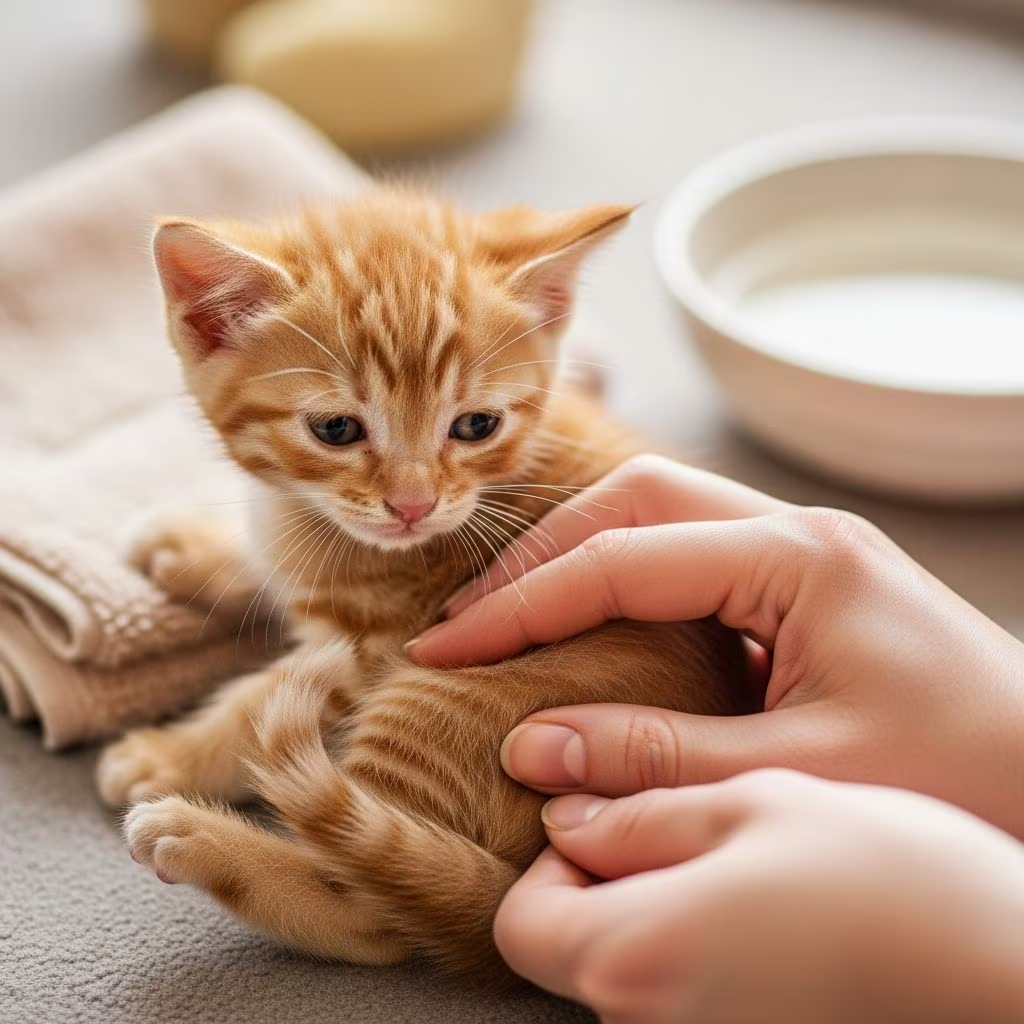
Gently stimulate bowels like a mother cat licks her kittens. Use a warm, damp cloth to rub the abdomen in circular motions toward the anus, 2-3 times daily for 5-10 minutes. Combine with hydration for best results. Stop if kitten cries in pain.
2. Hydration
Increase water intake to soften stool. Tips include:
- Multiple fresh water bowls around the home
- Switch to or mix in wet food (high moisture)
- Cat water fountain for appeal
- Add cat-safe bone broth (no onion/garlic) to dry food
- Subcutaneous fluids from vet if dehydrated
Dehydration is a top cause, so prioritize this.
3. Diet Adjustments
Tailor nutrition to promote regularity:
- Canned Pumpkin: Add 1/2-1 tsp plain, unsweetened per meal (high fiber, safe laxative).
- Fiber-Rich Kitten Food: Switch to vet-recommended high-fiber formulas.
- Formula Check: For bottle-fed kittens, ensure fresh, suitable kitten milk replacer.
- Slow Transitions: Gradually introduce solids over 7-10 days.
Avoid cow’s milk—it causes diarrhea, not relief.
4. Exercise and Play
Encourage movement to stimulate intestines. Use toys like feather wands, laser pointers, or balls for 15-20 minute sessions daily. Obese or inactive kittens benefit most. Keep litter box accessible and clean to reduce stress.
5. Laxatives (Vet-Supervised)
Never give human laxatives. Vet options:
- Emollient: Soften feces (e.g., lactulose).
- Osmotic: Draw water into stool (e.g., Miralax, dosed precisely).
- Stimulant: Promote colon contractions.
Over-the-counter only with vet approval.
6. Enemas or Suppositories (Vet Only)
For severe cases, vets administer kitten-safe enemas or suppositories. Home attempts risk injury or perforation—never DIY. Sedation may be needed for hard impactions.
7. Address Litter Box Issues
Kittens may avoid pooping if stressed by the box. Use unscented, clumping litter in a quiet, low-sided box. Multiple boxes in safe spots help.
8. Deworming
Parasites block bowels. If worms visible or suspected, vet-prescribe dewormer (e.g., for roundworms). Routine deworming every 2 weeks until 8 weeks old.
When Is Kitten Constipation an Emergency?
Rush to vet if:
- No poop in 48 hours
- Vomiting, severe lethargy, or refusal to eat
- Bloated abdomen or rectal prolapse
- Blood/mucus, crying, or weakness
Untreated cases risk megacolon, rupture, or death. Diagnostics may include X-rays, bloodwork, or ultrasound.
How Often Should Kittens Poop?
Newborns poop after each nursing (stimulated by mom). By 3-4 weeks, 1-4 times daily. Weaned kittens: 1-2 times daily, up to every 36-48 hours normal on dry food. Monitor via litter box.
Prevention Tips for Kitten Constipation
Proactive steps keep bowels moving:
- Always fresh water + wet food mix
- High-quality, fiber-balanced kitten diet
- Daily play/exercise
- Routine vet checkups/deworming
- Secure environment (no strings/toys to swallow)
- Clean, appealing litter setup
Early weaning support prevents most issues.
Frequently Asked Questions (FAQs)
What if my kitten hasn’t pooped in 2 days?
Start home remedies like massage and hydration, but see a vet within 24 more hours—it’s urgent for kittens.
Is canned pumpkin safe for kittens?
Yes, plain canned pumpkin (1/2 tsp/meal) adds fiber safely; consult vet first.
Can I give my kitten an enema at home?
No—risks perforation. Vet only.
How much water should a kitten drink?
About 3-4 oz per 5 lbs body weight daily; encourage with fountains/wet food.
Will wet food cure constipation?
It helps by hydrating stool; combine with fiber/exercise for best results.
References
- Kitten Constipation – PetMD — PetMD. 2023. https://www.petmd.com/cat/conditions/digestive/kitten-constipation
- Have a Constipated Kitten? How to Help Them Poop – Chewy — Chewy. 2023. https://www.chewy.com/education/cat/health-and-wellness/remedies-for-kitten-constipation
- Why Won’t My Kitten Poop? 7 Vet-Reviewed Reasons & Solutions – Catster — Catster. 2023. https://www.catster.com/ask-the-vet/reasons-why-kitten-wont-poop/
- 8 Ways to Make a Constipated Kitten Poop (Vet Answer) – Catster — Catster. 2023. https://www.catster.com/ask-the-vet/how-to-make-a-constipated-kitten-poop/
- Constipation in Cats: Our Vet Explains the Signs, Causes & Treatment – Catster — Catster. 2023. https://www.catster.com/ask-the-vet/constipation-in-cats-vet-answer/



