

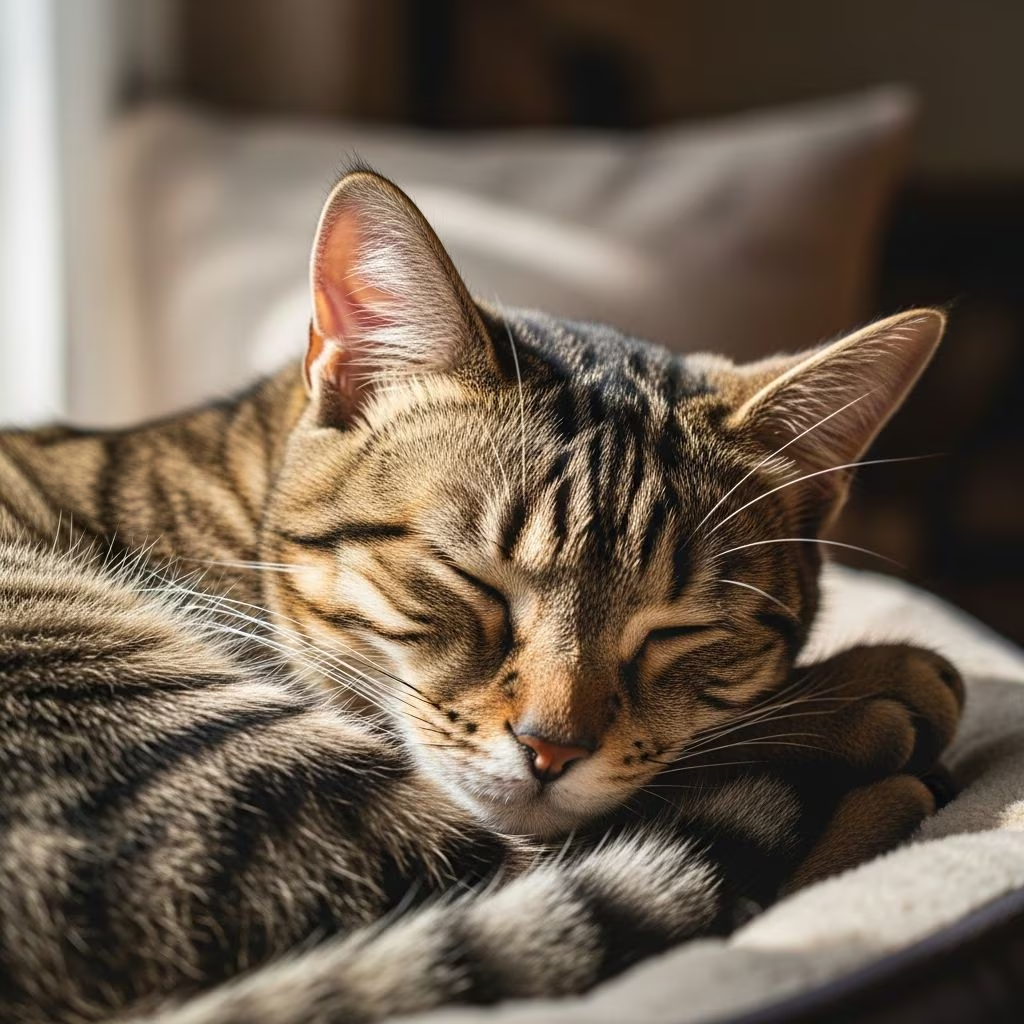
Cats are naturally cautious animals that thrive in environments where they feel secure and in control. Creating a safe space for your cat involves understanding their instincts, providing appropriate resources, and respecting their boundaries. This guide draws from veterinary and animal welfare expertise to help you foster a sense of security for your feline companion.
Understanding Why Cats Need to Feel Safe
Cats evolved as both predators and prey, making them highly sensitive to threats in their environment. When cats feel unsafe, they exhibit stress responses like hiding, aggression, or avoidance behaviors. A predictable, positive environment allows cats to exert control, reducing fear and anxiety. According to animal welfare guidelines, ensuring constant access to safe hiding places is essential, as scared cats without escape options may become aggressive. Fearful cats use protective behaviors such as eye avoidance, running away, hissing, or swiping to increase distance from perceived threats. Allowing these responses prevents escalation; for instance, permitting a cat to hide reduces the intensity of fear.
Environmental factors heavily influence cat behavior. A cat’s posture and body orientation signal their emotional state—tense, crouched positions indicate fear, while open postures suggest relaxation. Recognizing these cues helps owners intervene appropriately to maintain safety.
Provide Safe Hiding Places
One of the most critical ways to make a cat feel safe is by offering accessible hiding spots. Cats need constant access to places where they can retreat if frightened, such as elevated shelves, boxes, or covered beds. Ensure these spots allow easy access to essentials like food, water, litter, and outdoor areas without passing scary objects or other animals. For new or shy cats, designate a quiet “safe room” with hiding places, cozy blankets, litter box, food, and water. Calming music can further reduce environmental noise.
- Use sturdy cardboard boxes with cut-out entrances for affordable hides.
- Install cat shelves or window perches for vertical space, mimicking natural territories.
- Provide multiple options in different rooms to give choices and prevent territorial conflicts.
Hiding is a natural avoidance behavior that de-escalates fear; blocking it can lead to intensified stress responses like growling or striking. In multi-cat homes, separate hides prevent bullying and ensure each cat has a secure retreat.
Learn Your Cat’s Body Language
Understanding feline body language is key to knowing when your cat feels safe or threatened. Cats communicate through eyes, ears, tail, whiskers, and posture. Subtle signals help owners respect boundaries and avoid escalating fear.
| Body Part | Relaxed/Safe Signals | Fearful/Threatened Signals |
|---|---|---|
| Eyes | Slow blinks, half-closed | Dilated pupils, direct stare, wide open |
| Ears | Forward or slightly to side | Flattened back against head |
| Tail | Loose sway, upright with curl | Twitching, puffed up, tucked under body |
| Posture | Open, stretched out | Crouched, tense, sideways orientation for escape |
A sideways body stance often means the cat is shy and ready to flee, while a ball-like scrunch protects vulnerable areas. Approach fearful cats from the side, avoiding direct eye contact or towering over them, as these mimic threats. Watch for ear flattening, tail twitching, or fluffed fur as cues to back off.
Context matters: a cat rolling over belly-up may signal trust in a relaxed setting but defensiveness if tense. Regularly observing your cat builds this skill, preventing misunderstandings that heighten anxiety.
Interact Gently and Respectfully
Gentle interactions build trust without overwhelming your cat. Always seek consent—let them approach you first. Use a soft voice, avoid loud noises, staring, or sudden movements. Never force pets, pick up by scruff/paws/tail, or punish fear responses like hissing or hiding, as this increases stress and creates negative associations.
- Speak softly and calmly to soothe.
- Offer slow blinks to signal non-threat.
- Pet from head to back, stopping at tail base; watch for skin rippling or ear changes.
- End interactions if tail twitches or ears flatten.
For play-aggressive cats, use toys to redirect energy and bells on collars to warn of pounces. Stay calm during unwanted behaviors like spraying—strong reactions amplify fear.
Create a Calming Home Environment
Modify your home to minimize stressors. Provide vertical spaces for security, as cats feel safer elevated. Ensure litter boxes are in quiet, accessible spots—stress causes elimination issues. Scatter resources to avoid competition in multi-cat homes.
- Use pheromone diffusers or calming treats for anxiety.
- Keep routines predictable for food, play, and cleaning.
- Block access to scary areas with deterrents like double-sided tape, citrus scents, or motion-activated air sprays.
Make carriers safe havens by leaving them out with treats, associating them positively. For outdoor cats, confine during dusk/dawn to reduce wildlife stress and keep them indoors post-bad weather.
Address Common Stressors
Identify and mitigate triggers like loud noises, new pets, or changes. Introduce novelties gradually in a kitten-proofed home. For inter-cat aggression, bells on aggressors aid victim avoidance. Scratching is natural—provide preferred surfaces (vertical/horizontal) and deter furniture with covers or tape.
New cats should start in a sanctuary room to adjust slowly. Monitor health, as pain mimics fear behaviors—consult vets for persistent issues.
Frequently Asked Questions (FAQs)
What if my cat is always hiding?
Provide more hiding spots and check for stressors like new pets or illness. Allow hiding as a healthy response; force rarely works and heightens fear.
How do I know if my cat feels unsafe?
Look for dilated pupils, flattened ears, tail twitching, or avoidance. These signal fear—give space immediately.
Can punishment help a scared cat?
No—punishment like yelling or spraying worsens fear and trust issues. Respect signals and redirect positively.
What toys make cats feel safe?
Safe, interactive toys for play reduce stress. Bells on collars help during play aggression.
Is vertical space important?
Yes, elevated perches provide security and territory control, essential for feeling safe.
References
- Understanding Your Cat’s Behaviour — RSPCA. Accessed 2026. https://www.rspca.org.uk/adviceandwelfare/pets/cats/behaviour
- Top 10 cat behavior tips — DVM360. Accessed 2026. https://www.dvm360.com/view/top-10-cat-behavior-tips
- Guide to cat behaviour — Safe and Happy Cats. Accessed 2026. https://safeandhappycats.com.au/guide-to-cat-behaviour
- Shy and Fearful Cats: The Quick Guide — San Diego Humane Society. Accessed 2026. https://sdhumane.org/resources/shy-and-fearful-cats-quick/
- Guide to Cat Behavior Counseling — HumanePro. 2022. https://humanepro.org/sites/default/files/documents/Guide-to-cat-behavior-counseling_2022_digital.pdf
- The Definitive Guide to Cat Behavior and Body Language — Tuft & Paw. Accessed 2026. https://www.tuftandpaw.com/blogs/cat-guides/the-definitive-guide-to-cat-behavior-and-body-language
- Behavior Problems in Cats — Merck Veterinary Manual. Accessed 2026. https://www.merckvetmanual.com/cat-owners/behavior-of-cats/behavior-problems-in-cats



