

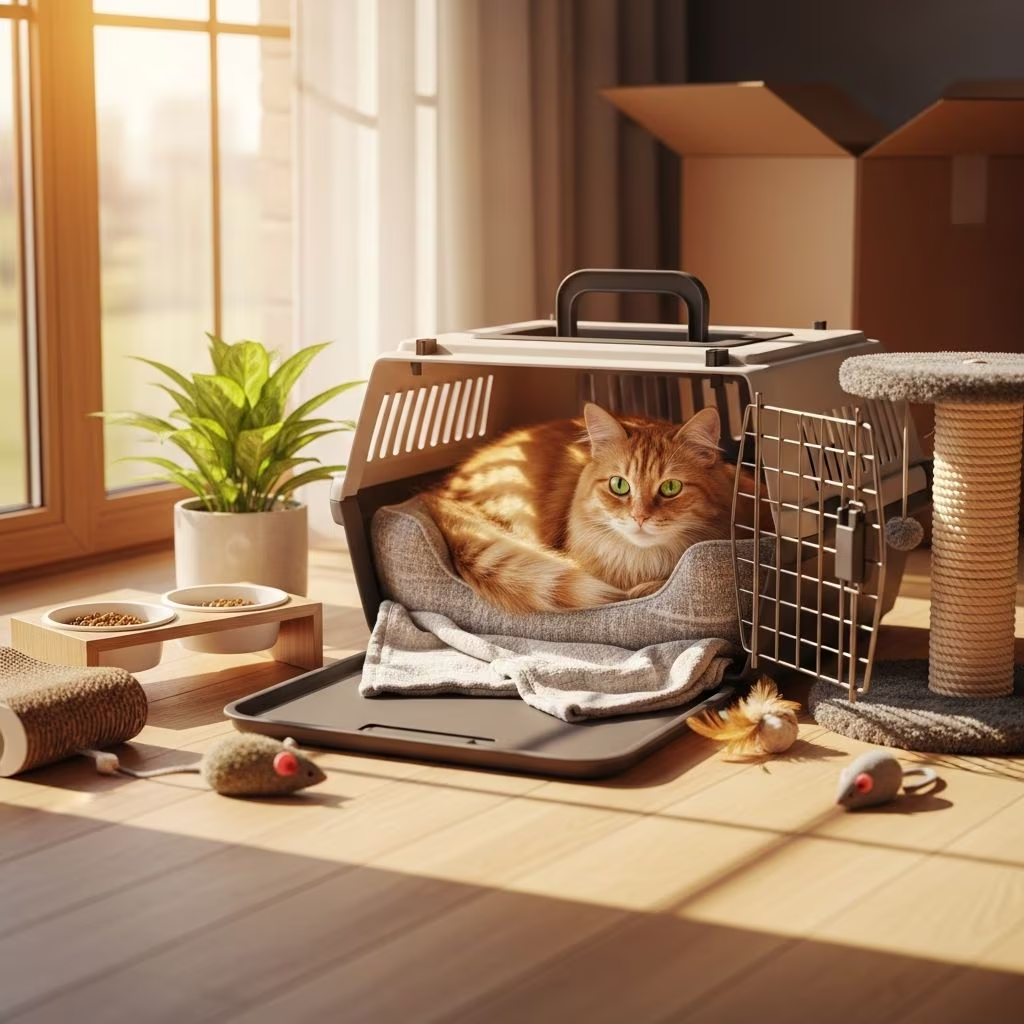
Cats are territorial creatures that thrive on familiarity and routine, making moves to new homes particularly stressful. Sudden changes in environment can lead to anxiety, hiding, appetite loss, or inappropriate elimination. However, with proper preparation and gradual acclimation strategies, you can help your cat adjust smoothly, often within 2-4 weeks. This guide covers pre-move preparation, safe room setup, initial introduction protocols, long-term enrichment, multi-pet households, and when to seek professional help, drawing from veterinary-recommended practices to ensure your feline feels secure.
Pre-Move Preparation: Setting the Foundation
Start planning at least two weeks before moving day to minimize disruption. Maintain consistent feeding, play, and litter routines to provide stability. Create a “comfort kit” with unwashed bedding, toys, and scratching posts that carry your cat’s scent—these familiar smells act as psychological anchors during transition.
Visit the new home if possible and rub furniture with a cloth to transfer scents, or leave worn clothing there to introduce your smell gradually. For travel, use a sturdy carrier lined with familiar bedding, partially covered for a den-like feel. Speak calmly during the journey and plan stops every 2-3 hours for long moves without opening the carrier unnecessarily, as cats feel safer inside.
- Gather essentials early: Food/water bowls, litter box with same litter type, medications, and favorite toys.
- Cat-proof the new space preemptively: Secure windows, hide cords, remove toxic plants, and check for hiding hazards.
- Practice carrier time: Get your cat accustomed to the carrier with positive associations like treats to reduce transport stress.
These steps prevent initial overwhelm, setting a positive tone for adjustment.
Setting Up the Safe Room: The Core Strategy
The safe room is essential—a quiet, equipped space like a bedroom or bathroom where your cat starts exploration. This prevents sensory overload and establishes a secure base before expanding access.
Choosing and Equipping the Room
Select a low-traffic area away from noise. Stock it with:
- Clean litter box (one per cat plus one extra) in a quiet corner, using familiar unscented litter.
- Food and water bowls distant from litter to mimic natural separation.
- Comfortable bedding, scratching posts, and toys.
- Hiding spots: Cardboard boxes (cut with entry holes), cat tunnels, or under-bed access.
Secure screens on windows and remove dangers like cords or small objects. Add pheromone diffusers like Feliway to mimic calming facial scents cats deposit when relaxed.
Creating Vertical and Secure Features
Cats need elevated vantage points for security. Install cat trees, wall shelves, or perches near windows for bird-watching, which stimulates natural behaviors and reduces stress.
| Essential Safe Room Items | Purpose | Tips |
|---|---|---|
| Litter Box | Elimination without fear | Same litter; scoop daily; place away from food |
| Food/Water Stations | Nutrition maintenance | Fresh daily; multiple bowls if needed |
| Scratching Post | Claw maintenance & marking | Sisal or cardboard; place near exits |
| Cat Tree/Perches | Vertical territory | Stable, multi-level for surveying |
| Hiding Boxes | Retreat space | Cozy, dark interiors with soft lining |
This setup addresses cats’ needs for control and safety, accelerating comfort.
The First 24-48 Hours: Gentle Introduction
Upon arrival, transport directly to the safe room without detours. Open the carrier and retreat, allowing voluntary exit—some cats hide immediately, others explore slowly; both are normal.
Speak softly and sit nearby without forcing interaction. Offer water first; delay food 1-2 hours to avoid stress-induced upset. Monitor for eating refusal beyond 48 hours, signaling vet visit need. Spend time reading or working quietly to build presence without pressure.
- Day 1 protocol: No coaxing; provide quiet companionship.
- Hiding management: If under furniture, lure gently to safe spots with food, not hands.
- Litter orientation: Place cat near box post-arrival to familiarize location.
Patience here prevents long-term issues like litter avoidance.
Gradual Expansion and Routine Reestablishment
After 24-48 hours of safe room comfort (eating, using litter), supervise short explorations to adjacent areas. Use baby gates for controlled access, returning to safe room nightly.
Reintroduce routines: Scheduled meals encourage appetite; play sessions with wands rebuild confidence. Avoid sudden changes—keep litter type consistent to prevent box aversion.
Monitor body language: Relaxed ears/tail mean readiness for more space; hissing/crouching indicates retreat needed. Full house access may take 2-4 weeks, longer for shy cats (up to 8).
Environmental Enrichment for Long-Term Comfort
Beyond basics, enrich the home to meet instinctual needs. Provide climbing structures like cat shelves or trees for territory claiming from heights, reducing ground-level anxiety.
- Window perches: Bird feeders outside stimulate hunting instincts safely.
- Scratching stations: Multiple posts near furniture to redirect behavior.
- Interactive toys: Puzzle feeders, tunnels for mental engagement.
- Pheromone aids: Diffusers or collars for ongoing calm.
Secure high surfaces from knockovers as cats climb to claim space. These elements make the home feel like owned territory.
Introducing Other Pets and Family Members
In multi-pet homes, isolate initially. Swap scents via blankets under doors before visual intros. Supervise meetings through gates, rewarding calm—full access only after peaceful sessions.
For children, teach gentle handling: No chasing or loud play. Supervise closely; cats need escape routes. Gradual exposure prevents fights or fear aggression.
Signs of Stress and When to Call the Vet
Watch for prolonged hiding, no eating >48 hours, aggression, or litter issues. These may indicate relocation trauma; consult vets for appetite stimulants or anti-anxiety meds.
Veterinary behaviorists help chronic cases. Most resolve naturally with time and proper setup.
Frequently Asked Questions (FAQs)
What if my cat won’t eat in the new home?
Normal for 24-48 hours; tempt with warmed favorites or vet-approved stimulants if longer. Dehydration risks require prompt vet check.
How long until full adjustment?
2-4 weeks typically; sensitive cats up to 8. Patience key.
Can I free-roam immediately?
No—overwhelm leads to hiding or marking. Safe room first.
What about litter box problems?
Use same litter/location initially; stress causes avoidance. Clean daily.
Is Feliway effective?
Yes, synthetic pheromones mimic calming scents, aiding many cats.
Conclusion: Patience Pays Off
With structured steps—from comfort kits to enriched spaces—your cat will claim the new home as theirs. Consistent love and observation ensure a thriving transition. (Word count: 1678)
References
- Helping Your Cat Adjust to a New Home or Space — The Refined Feline. Accessed 2026. https://www.therefinedfeline.com/helping-your-cat-adjust-to-a-new-home-or-space/
- Helping Your Cat Adjust to a New Home — PAWS. Accessed 2026. https://www.paws.org/resources/helping-your-cat-adjust/
- How to Familiarise a Cat with a New Home — Oasy. Accessed 2026. https://www.oasy.com/en/pet-news/useful-tips/how-to-familiarise-a-cat-with-a-new-home
- How to Make a Cat Feel Comfortable in a New Home — 9Lives. Accessed 2026. https://www.9lives.com/blog/how-to-make-a-cat-feel-comfortable-in-a-new-home/
- How to Make Your Cat Feel at Home — Purina. Accessed 2026. https://www.purina.com/articles/cat/health/routine-care/six-ways-to-make-your-cat-feel-at-home



