

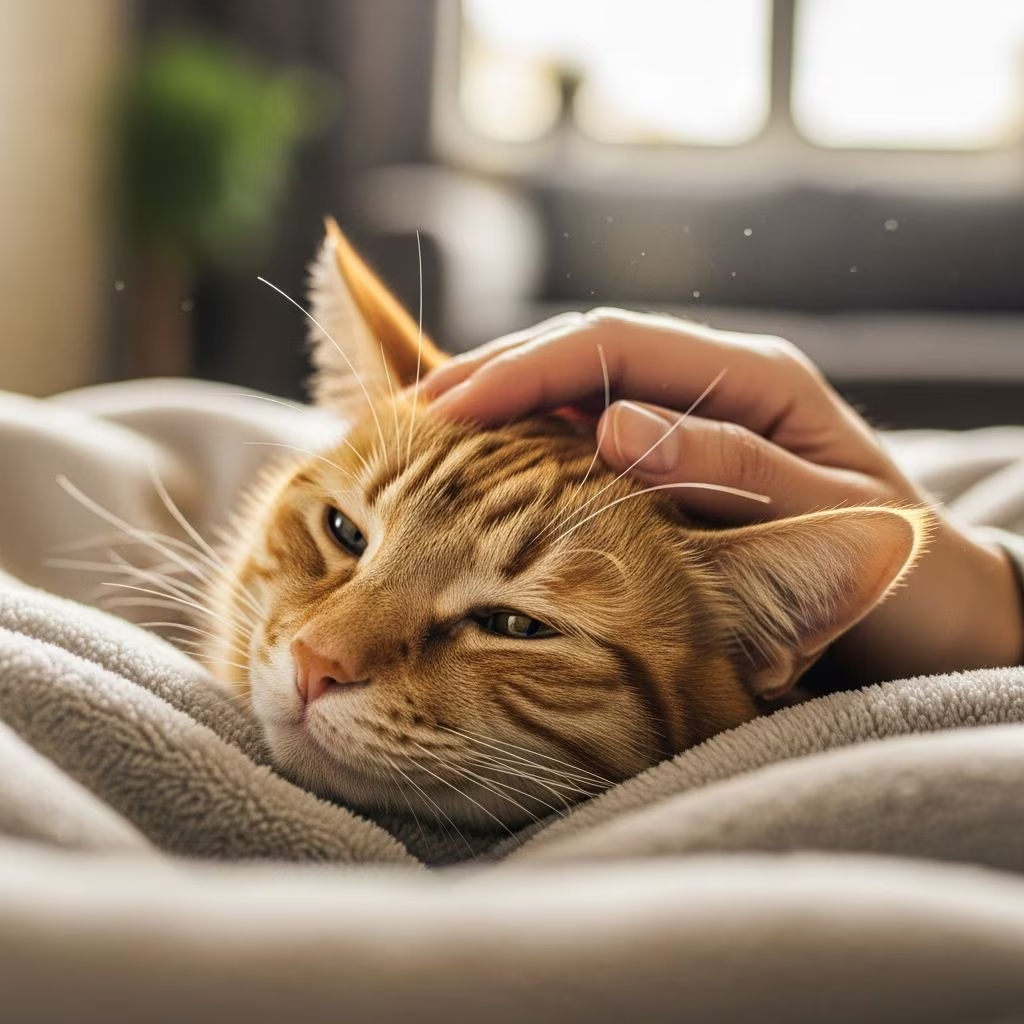
Vaccinations are crucial for protecting cats from serious diseases, but they can cause temporary discomfort like soreness or lethargy. Helping your cat recover involves creating a supportive environment, monitoring symptoms, and providing gentle care to ease side effects that typically resolve in 24-48 hours.
Understanding Post-Vaccination Side Effects in Cats
Most cats experience mild reactions after vaccines as their immune system responds. Common signs include soreness or swelling at the injection site, slight lethargy, reduced appetite, low-grade fever, or mild warmth. These are normal and indicate the vaccine is working, usually clearing up within a day or two.
Severe reactions are rare but include difficulty breathing, vomiting, extreme lethargy, or persistent swelling, requiring immediate vet attention. Kittens may show reluctance to play or mild fever, while adults might hide more than usual.
Creating a Peaceful Recovery Environment
A quiet, cozy space is essential for your cat’s rest and healing post-vaccination. Choose a low-traffic room with their favorite bed or blanket, comfortable temperature, and soft lighting to minimize stress.
- Dim lights and reduce noise with white noise machines or gentle music.
- Provide hiding spots like boxes or covered beds for security.
- Avoid household disruptions; keep routines predictable.
This sanctuary promotes restorative sleep, aiding the body’s natural recovery processes.
Gentle Comfort Measures for Soreness
Mild soreness at the injection site can be soothed without medication in most cases. Apply a cool compress (soft cloth with cool water) for 5-10 minutes, 1-2 times daily, avoiding direct pressure.
Gentle massage around (not on) the area improves circulation and reduces inflammation. Offer affection on non-tender spots and use pheromone diffusers like Feliway to calm anxiety.
- Pet softly if your cat seeks attention.
- Limit handling to prevent added stress.
- Warm compresses may help some cats if cool feels too shocking.
Encouraging Hydration and Nutrition
Hydration flushes the system and supports immune function during recovery. Keep fresh water accessible; add low-sodium broth or tuna water to entice drinking if needed.
Appetite may dip briefly, so offer warmed wet food, small portions of favorites, or vet-recommended supplements rich in antioxidants and vitamins. Monitor intake and gradually increase portions as appetite returns.
| Tip | Why It Helps | How to Implement |
|---|---|---|
| Warm food slightly | Enhances aroma | Microwave briefly, test temperature |
| Broth additives | Boosts hydration | Dilute low-sodium chicken broth |
| Small frequent meals | Prevents overwhelm | 3-4 tiny portions daily |
Light Play and Distraction Techniques
Gentle play distracts from discomfort, encourages movement to reduce stiffness, and stimulates natural behaviors without overexertion. Use interactive toys like feather wands for short sessions once your cat shows interest.
- Start with 5-minute play if energy returns.
- Avoid rough play near injection site.
- Combine with massage for holistic relief.
Rest remains priority; limit to low-energy activities for 24-48 hours.
Medication and Supplements: When and What
Never give human pain meds like ibuprofen, as they are toxic to cats. Consult your vet for safe options like anti-inflammatories if soreness persists. Antihistamines such as diphenhydramine may be recommended for mild reactions, but only under guidance.
Nutritional supplements with omega-3s or immune boosters can aid recovery; discuss with your vet for tailored advice.
Monitoring for Normal vs. Serious Reactions
Track behavior closely: note eating, drinking, litter use, energy, and site swelling. Normal: mild limp, sleepiness resolving in 48 hours. Serious: worsening swelling, vomiting, breathing issues, or no eating after 24 hours—call vet immediately.
- Log symptoms daily for vet discussions.
- Wait 30-60 minutes post-vaccine at clinic for rare anaphylaxis.
- Behavioral changes like excessive hiding warrant checks.
Follow-Up Care and Vet Check-Ins
Schedule a follow-up if reactions linger or per vet protocol. This assesses recovery, adjusts care, and plans future vaccines. Discuss storage/injection concerns to prevent repeats.
Proactive monitoring and partnership ensure optimal outcomes.
Frequently Asked Questions (FAQs)
How long do vaccine side effects last in cats?
Mild effects like soreness or lethargy typically resolve in 24-48 hours.
Is it normal for my cat not to eat after vaccines?
Yes, a brief appetite dip is common; encourage with favorites but call vet if over 24 hours.
Can I give my cat pain relief at home?
Only vet-approved meds; avoid OTC human drugs.
What if there’s swelling at the injection site?
Mild is normal; monitor—if increasing or painful, seek vet care.
Should I exercise my cat after vaccines?
Keep light and rest-focused for 24 hours.
When is a post-vaccine reaction an emergency?
Difficulty breathing, vomiting, collapse—rush to ER.
A multifaceted approach—rest, hydration, monitoring—ensures your cat bounces back quickly. Always prioritize vet advice for personalized care.
References
- 9 Best Strategies for Post-Shot Cat Pain Relief — Greystanes Vet. 2023-05-15. https://www.greystanesvet.com.au/post/9-best-strategies-for-post-shot-cat-pain-relief
- How To Help Your Cat Feel Better After Receiving Vaccines — Penny Paws. 2024-02-20. https://pennypaws.com/blog/how-to-help-your-cat-feel-better-after-receiving-vaccines/
- Pet Vaccine Side Effects to Watch for — Aztec Pet Hospital. 2023-11-10. https://aztecpethospital.com/pet-vaccine-side-effects/
- Care for Your Pet After Vaccination — VCA Animal Hospitals. 2025-01-05. https://vcahospitals.com/know-your-pet/care-for-your-pet-after-vaccination
- 4 Most Common Cat Vaccine Reactions and When To Call Your Vet — PetMD. 2024-08-12. https://www.petmd.com/cat/general-health/cat-vaccines-most-common-reactions
- What to Expect After Vaccinations – Kittens — Countryside Veterinary Hospital. 2023-07-18. https://countrysideveterinaryhospital.com/after-kitten-vaccines
- Pet Vaccination Aftercare — Vetwest Veterinary Clinics. 2024-03-22. https://www.vetwest.com.au/pet-library/pet-vaccination-aftercare/



