

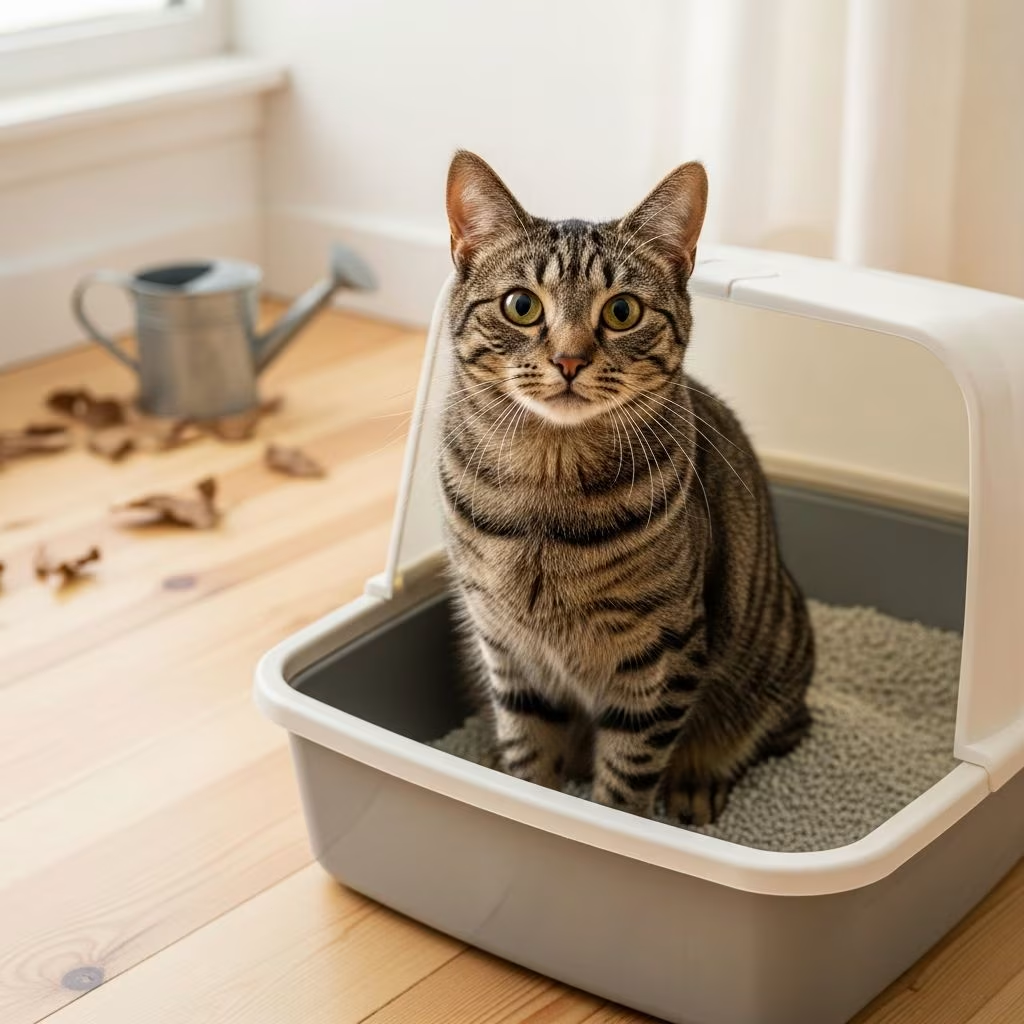
Bringing a stray cat into your home is a rewarding experience, but it comes with unique challenges that domestic cats typically don’t present. Stray cats are felines that have become accustomed to outdoor living and have lost their homes for various reasons. While many stray cats may already possess knowledge of using a litter box from their previous lives, those who have spent extended periods outdoors or young kittens require patience, guidance, and a structured approach to successfully transition to indoor litter box use.
The key to successful litter training lies in understanding that stray cats need time to adjust to indoor living. They may have developed outdoor elimination habits, and retraining them requires consistency, positive reinforcement, and a stress-free environment. This comprehensive guide provides you with nine essential strategies to help your new feline companion learn to use the litter box reliably.
Understanding Stray Cats and Litter Training
Stray cats present unique circumstances when it comes to litter training. Unlike kittens born into homes, stray cats have already developed their own bathroom habits based on their outdoor experiences. Some may have used litter boxes in shelters or previous homes, while others have exclusively relied on soil, sand, and outdoor substrates for elimination. This background means that litter training a stray cat requires a more nuanced approach that accounts for their previous experiences and psychological adjustment to indoor living.
The process of litter training a stray cat demands more patience than training a kitten raised indoors from birth. However, understanding that accidents and setbacks are normal parts of the process will help you remain calm and consistent. Your stray cat is not being stubborn or difficult; they are simply learning a new behavior in an unfamiliar environment.
The 9 Tips & Tricks for Litter Training a Stray Cat
1. Choose the Right Litter Box
Selecting an appropriate litter box is the foundation of successful litter training. The ideal litter box for a stray cat should be large and shallow, as these dimensions remind cats of their natural outdoor digging environment. Large, shallow boxes provide your stray cat with ample space to move around comfortably and dig naturally without feeling confined.
Consider starting with an open litter box rather than covered alternatives. Many stray cats have never experienced enclosed spaces for elimination and may feel trapped or anxious in covered boxes. The open design allows cats to enter and exit freely, reducing stress and encouraging use. As your cat becomes more comfortable with the litter box routine, you can gradually introduce covered options if desired.
Size matters significantly. Your litter box should be at least one and a half times the length of your cat’s body. Stray cats, particularly those accustomed to outdoor spaces, benefit from boxes that don’t feel cramped or restrictive. Providing adequate space helps them feel secure and in control during a vulnerable time.
2. Choose a Suitable Cat Litter
Cats can be remarkably particular about their litter preferences, and stray cats are no exception. The type of litter you select can significantly impact whether your stray cat uses the box consistently or avoids it entirely. Understanding your options and being willing to experiment will help you find what works best for your cat.
Avoid scented and dusty litters at all costs. These products may seem appealing to humans, but they can actively discourage cats from using the litter box. The strong artificial scents can overwhelm a cat’s sensitive nose, and dust particles can irritate their respiratory system. Stray cats, especially those transitioning from outdoor living, may find these products particularly off-putting.
Consider experimenting with several litter types to discover your cat’s preference:
- Clay litter: Traditional option that many cats recognize, though it can be dusty
- Crystal litter: Highly absorbent and produces minimal dust, though some cats find the texture unusual
- Paper litter: Soft, dust-free, and environmentally friendly, often preferred by cats with respiratory sensitivities
- Wood litter: Natural option with excellent absorbency and pleasant wood aroma that appeals to many cats
Some litters may fail to absorb urine adequately or provide uncomfortable texture for your cat’s sensitive paws. Testing different varieties allows you to identify which type your stray cat prefers and feels most comfortable using. Keep the litter depth around two inches, as this provides adequate material for digging while remaining manageable for waste removal.
3. Determine the Ideal Spot for the Litter Box
Location is absolutely critical to litter training success. Cats, including strays, prefer to eliminate far away from their eating and sleeping areas. Additionally, they need privacy and a sense of security when using the bathroom. Placing the litter box in high-traffic areas or near food bowls almost guarantees avoidance.
When selecting locations for your litter boxes, keep these principles in mind:
- Choose quiet, low-traffic areas away from the cat’s food and water bowls
- Place boxes in locations your cat frequently visits and seems comfortable in
- Ensure boxes are easily accessible without requiring the cat to navigate obstacles
- Avoid placing multiple boxes in the same corner, as this may create a single perceived large box rather than separate options
- If you have multiple floors, place at least one litter box on each level
- Keep boxes away from doors and areas with sudden noises that might startle your cat
Observe your stray cat’s behavior and natural movement patterns throughout your home. Cats typically have preferred areas where they rest, play, and explore. Placing litter boxes in these zones increases the likelihood your cat will use them when needed. This approach respects your cat’s natural inclinations while facilitating the desired behavior.
4. Introduce Your Cat to the Litter Box
The introduction phase requires patience and should be completely stress-free for your cat. For younger kittens, place them gently in the litter box after meals, playtime, or waking from naps. These are natural times when cats feel the urge to eliminate. Cats possess strong instincts to dig and bury their waste, and exposure to litter often triggers this innate behavior.
When you place your cat in the box, allow them to explore and become familiar at their own pace. Never force them to remain in the box if they want to leave. Forcing interaction creates negative associations and can actually hinder training progress. Your goal is to make the litter box feel like a comfortable, welcoming space.
For adult stray cats, the introduction process may be quicker. Many adult cats, particularly those who spent time in shelters, already understand litter box use and simply need a brief reminder of where their bathroom is located. You may only need to provide a quick introduction and gentle guidance rather than extensive training.
Reward your cat immediately after using the litter box with praise, attention, or treats. Positive reinforcement creates favorable associations and encourages repeated use. These rewards don’t need to be excessive; even simple verbal praise and gentle petting can reinforce good behavior.
5. Keep the Litter Boxes Clean
Cleanliness is non-negotiable in successful litter training. Cats have strong preferences for clean bathrooms, and a soiled litter box will be actively avoided. Your stray cat, unfamiliar with indoor litter box conventions, is even more likely to avoid a dirty box and find alternative bathroom spots in your home.
Establish a cleaning routine that maintains optimal litter box conditions:
- Scoop waste immediately after your cat uses the box, particularly during the initial training period
- Maintain litter depth at approximately two inches by adding fresh litter after scooping
- Perform a complete litter replacement and box cleaning several times weekly
- Once your cat consistently uses the box, you can transition to daily scooping rather than after every use
- Use unscented litter and unscented cleaning products to maintain a neutral scent environment
Regular maintenance prevents the buildup of odors and bacteria that could discourage use. A clean litter box signals to your stray cat that this is an appropriate, hygienic location for elimination. This becomes particularly important as your cat adapts to indoor living and develops trust in their new home environment.
6. Address Accidents Appropriately
Accidents during litter training are inevitable and should be expected. How you respond to these incidents significantly impacts your cat’s progress. Never punish your cat for accidents. Punishment creates fear and anxiety, damaging your relationship and making litter training even more difficult. Stray cats especially need to build trust with their human caregivers, and punishment destroys this fragile bond.
Instead, respond to accidents with strategic, compassionate actions:
- Clean accident areas thoroughly with enzymatic cleaners to eliminate odor traces
- Place a litter box at the location where accidents occurred to redirect future elimination
- Avoid scolding, yelling, or any form of punishment
- Remain patient and understand that setbacks are part of the normal learning process
When you discover an accident, the odor likely attracted your cat to that spot. Without proper cleaning that removes all scent remnants, your cat will continue to view that location as an appropriate bathroom. Enzymatic cleaners specifically designed for pet urine break down the organic compounds responsible for the odor, making the area less appealing for future elimination.
7. Stay Patient and Consistent
Litter training a stray cat demands dedication and unwavering consistency. The timeline varies depending on the individual cat’s background and personality. Some stray cats may transition within weeks, while others require months to establish reliable habits. Maintaining consistency throughout this period is essential.
Consistency means:
- Using the same litter type and maintaining consistent litter box locations
- Adhering to your cleaning routine without variation
- Responding to accidents the same way every time
- Providing rewards consistently when your cat uses the box appropriately
- Maintaining a calm, stress-free environment throughout the training period
If your stray cat previously lived in a shelter or home with a litter box, they may already understand the basic concept and progress more rapidly. However, even cats with previous litter box experience need time to adjust to a new environment and new routine. Patience during this adjustment period prevents setbacks and supports successful integration into your household.
8. Monitor for Medical Issues
If your stray cat experiences frequent toileting accidents or demonstrates unusual elimination behavior, medical issues may be responsible. Cats that strain while eliminating, urinate in small amounts, produce urine with blood, cannot urinate despite apparent effort, or show changes in fecal consistency require veterinary evaluation immediately.
These symptoms may indicate:
- Urinary tract infections
- Kidney disease
- Diabetes
- Gastrointestinal disorders
- Feline idiopathic cystitis
Inappropriate urination outside the litter box can also signal stress rather than medical problems. Your veterinarian can rule out physical health issues and provide guidance on behavioral factors. Consulting with your vet ensures that litter training difficulties aren’t masking a health concern requiring treatment.
9. Create a Stress-Free Environment
Stray cats transitioning to indoor living face significant stress. Creating a calm, secure environment directly supports successful litter training. Stress impairs learning and can cause behavior problems, including inappropriate elimination. Prioritizing your cat’s emotional comfort accelerates the training process.
Stress-reduction strategies include:
- Allowing your cat space to explore and adjust gradually rather than forcing interaction
- Maintaining a quiet, predictable daily routine
- Providing hiding spots where your cat can retreat when feeling overwhelmed
- Using calming aids such as feline pheromone diffusers if recommended by your veterinarian
- Limiting access to multiple rooms initially until your cat becomes comfortable
- Introducing other household animals or people slowly and carefully
Your stray cat is adapting to dramatic life changes. The more secure and comfortable they feel in their new home, the more quickly they can focus energy on learning litter box habits rather than managing stress.
Frequently Asked Questions
Q: How long does it typically take to litter train a stray cat?
A: Timeline varies based on the individual cat’s age, previous experience, and background. Some cats may adapt within a few weeks, while others require several months. Consistency and patience accelerate the process significantly.
Q: What should I do if my stray cat refuses to use the litter box?
A: First, verify the litter box is clean, appropriately located, and filled with litter your cat prefers. Ensure no medical issues are causing the problem by consulting your veterinarian. Then reassess your training approach and maintain consistency.
Q: Can I use any type of litter for a stray cat?
A: Avoid scented and dusty litters. Experiment with unscented clay, crystal, paper, or wood litter to determine your cat’s preference. Natural, dust-free options are typically best.
Q: Should I use a covered or open litter box?
A: Start with an open litter box, as stray cats may feel trapped in covered boxes. Once your cat becomes comfortable, you can experiment with covered options if desired.
Q: What if my stray cat has medical issues affecting litter box use?
A: Consult your veterinarian immediately if you notice straining, blood in urine, inability to urinate, or changes in fecal consistency. These symptoms require professional medical evaluation and treatment.
Q: How many litter boxes should I have?
A: The general rule is one box per cat plus one additional box. Place boxes on different levels of your home in quiet, accessible locations away from food and water.
Conclusion
Litter training a stray cat is achievable with patience, consistency, and understanding. By selecting an appropriate litter box, choosing litter your cat prefers, positioning boxes strategically, and maintaining pristine cleanliness, you create conditions conducive to success. Remember that your stray cat is adapting to dramatic life changes and deserves compassion and flexibility during this transition period.
The bond you develop through patient guidance and positive reinforcement becomes stronger than any training command. As your stray cat successfully integrates into your household and consistently uses the litter box, you’ll experience the profound reward of giving a deserving animal a second chance at a happy, secure life. With time, patience, and these proven strategies, your new feline companion will become a well-trained and beloved member of your family.
References
- How to Litter Train a Stray Cat: 9 Vet-Reviewed Tips & Tricks — Catster. 2025. https://www.catster.com/cat-health-care/how-to-litter-train-a-stray-cat/
- How to Potty Train a Kitten: Vet-Approved Tips & Tricks — Catster. 2025. https://www.catster.com/cat-health-care/how-to-potty-train-a-kitten/
- Litterbox Training — Stray Cat Alliance. https://straycatalliance.org/resources/kittens101/litterbox-training/
- How to Get a Stray Cat to Trust You: 6 Vet-Approved Tips & Tricks — Catster. 2025. https://www.catster.com/cat-behavior/how-to-get-stray-cat-to-trust-you/



