

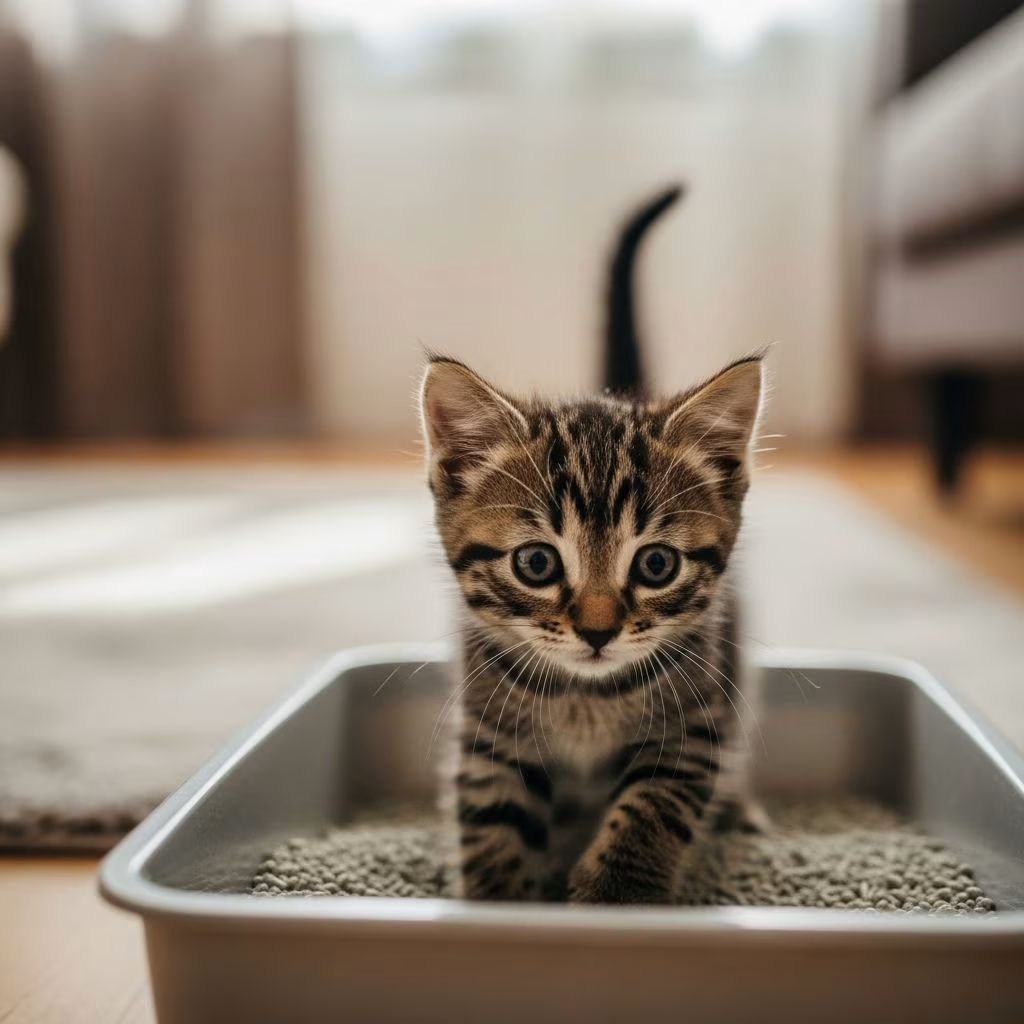
How to Litter Train Your New Kitten in 5 Easy Steps
Bringing a new kitten home is an exciting experience, but one of the first priorities for new cat parents is litter training. The good news is that kittens have a natural instinct to use a litter box, making the training process relatively straightforward compared to training puppies. Unlike canines, who require extensive house training, most kittens are inherently inclined to seek out loose material like litter to cover their waste. With the right approach, supplies, and consistency, your kitten can become fully litter trained in a matter of weeks.
This comprehensive guide will walk you through all five essential steps to successfully litter train your new kitten, ensuring a smooth transition into your home and setting the foundation for lifelong good litter box habits.
Step 1: Gather All the Essentials
Before you begin litter training, you’ll need to assemble the right supplies. Having everything prepared in advance ensures you’re ready to support your kitten’s natural instincts from day one.
Kitten Litter Box
Choose a litter box that’s appropriately sized for your kitten. A box measuring approximately 13×9 inches is ideal for young kittens. The most important feature is that the walls should be low enough for your kitten to climb in and out easily without assistance. As your kitten grows, you can transition to a larger box if needed. If you have multiple cats, the general rule is to have one litter box per cat, plus one extra. This gives each cat options and reduces territorial disputes over litter box access.
Kitten Litter Selection
When selecting litter for your young kitten, opt for non-clumping litter, particularly for kittens younger than 8-10 weeks. Kittens at this age are prone to ingesting litter while exploring, and non-clumping varieties are safer for their developing systems. Most cats prefer fine-grain litter because of its softer texture and similarity to natural soil. Once your kitten reaches 8-10 weeks and is using the litter box consistently, you can gradually transition to clumping litter if you prefer it for easier scooping and odor control.
Additional Supplies You’ll Need
Beyond the box and litter, gather these helpful items:
- A scooper that allows you to sift waste from the litter box efficiently
- Plastic or compostable bags for disposing of soiled litter
- A litter mat to catch spills and contain tracking
- Optional: Enzymatic waste disposal systems (like a Litter Genie) for easy waste management
Step 2: Choose the Perfect Location for the Litter Box
Location is absolutely critical when it comes to litter training success. Choosing the right spot makes it easy and convenient for your kitten to use the box consistently.
Key Location Considerations
Low-traffic areas: Cats value privacy and appreciate being able to use the bathroom without constant interruptions. Select a quiet area away from the main activity zones of your home. Popular locations include bathrooms, quiet corners of bedrooms or living areas, or open closets. These spaces provide the privacy your kitten needs to feel comfortable using the box.
Easy access: Your kitten should never have to navigate obstacles or travel through multiple rooms to reach the litter box. Don’t require your kitten to go down stairs, through playrooms, or past closed doors to access their bathroom. The easier you make it, the more likely they’ll use it consistently.
Multiple floors: If your home has multiple levels, place at least one litter box on each floor. This prevents your kitten from having accidents simply because they can’t reach the box in time. As your cat matures, this also helps prevent litter box avoidance due to inconvenience.
Away from food and water: Never place the litter box next to your kitten’s food dish or water bowl. Cats naturally want to eliminate far from their eating area, so separating these spaces respects their instincts and encourages litter box use.
Minimal distractions: Set up the litter box in an area free from loud noises, vibrations, or other disturbances. If your kitten feels startled or uncomfortable while using the box, they may develop an aversion to that location.
Step 3: Introduce Your Kitten to the Litter Box
Introduction is your opportunity to help your kitten connect with their new bathroom facility. This step should be one of the first things you do when bringing your kitten home.
The Introduction Process
Gently show your kitten the location of the litter box and allow them to sniff and explore it. Many kittens will instinctively begin pawing at the litter or may even use the box during this first introduction, as they possess a natural drive to bury their waste.
Gently place your kitten in the litter box two to three times daily, particularly at predictable times such as after eating, after drinking water, or after waking from naps. Consistency is key for kittens, as they thrive on routine. By placing your kitten in the box at these regular intervals, you’re aligning with their natural bathroom schedule and dramatically increasing the likelihood they’ll use the box when nature calls.
Patience and Positive Reinforcement
Patience is essential during this training phase. Accidents will happen, and your response matters significantly. Never scold or punish your kitten for missing the box. Negative reactions can create lasting anxiety around the litter box and actually impede training progress. Instead, remain calm and simply clean up any accidents thoroughly using enzymatic cleaners to remove odors.
When your kitten uses the litter box correctly, immediately reward them with treats, praise, and affection. Positive reinforcement creates a strong association between using the box and receiving rewards, motivating your kitten to repeat the behavior.
Step 4: Maintain Consistent Litter Box Cleanliness
A clean litter box is essential for consistent litter training success. Kittens are more likely to use a box that is clean and inviting, so make cleanliness a priority during the training phase.
Daily Scooping Routine
During the initial litter training period, scoop the litter box after every elimination if possible. This ensures the box remains fresh and prevents your kitten from developing an aversion to the box due to unpleasant odors or textures. After scooping, add clean litter to maintain a depth of 2 to 3 inches, giving your kitten plenty of material to dig in.
Once your kitten is older and using the litter box consistently and reliably, you can reduce scooping to once daily. Perform a thorough cleaning of the entire litter box weekly, replacing all litter completely, scrubbing the box with appropriate cleaning products, and rinsing thoroughly before refilling.
When to Replace Litter
Complete litter replacement should occur weekly at minimum, or more frequently if you notice odor buildup or if your kitten shows signs of reluctance to use the box. Some multi-cat households or homes with particularly odor-sensitive inhabitants may need replacement every few days.
Step 5: Address Challenges and Special Situations
While most kittens take to litter training naturally, some situations may require additional strategies.
Using Behavioral Support Tools
If your kitten seems anxious or hesitant about the litter box, consider using feline pheromone diffusers near the box. Products like Feliway release calming pheromones that help reduce stress and make your kitten feel more comfortable with their surroundings. These diffusers signal to your kitten that they have marked and claimed this territory as safe.
Some litters include special scents designed to attract kittens to the box, making the location even more appealing and encouraging consistent use.
When to Consult Your Veterinarian
If your kitten continues to have accidents despite your best training efforts, consult your veterinarian. While rare in young kittens, medical issues such as intestinal parasites, urinary tract infections, or other health conditions can promote inappropriate elimination. Your vet can rule out medical causes and provide additional troubleshooting assistance if needed.
Tips for Litter Training Success
Follow these additional guidelines to maximize your litter training success:
- Start litter training around 4 weeks of age, coinciding with the weaning process
- Ensure you have multiple boxes if you have multiple kittens
- Scoop frequently during the training phase to keep the box appealing
- Maintain consistency in box locations and routines
- Use positive reinforcement rather than punishment
- Keep the litter box easily accessible from anywhere in your home
- Consider the litter box as important to your home setup as any other furniture
Frequently Asked Questions About Kitten Litter Training
Q: At what age should I start litter training my kitten?
A: You can begin litter training around 4 weeks of age, which coincides with when kittens start weaning. If you adopt an older kitten or adult cat, start litter training as soon as you bring them home, as most cats will naturally seek out the litter box.
Q: How long does it typically take for a kitten to be fully litter trained?
A: Most kittens become fully litter trained within a few weeks if they have consistent access to the box, proper introduction, and positive reinforcement. However, every kitten is unique, and some may take longer.
Q: What should I do if my kitten has an accident outside the litter box?
A: Stay calm and never scold your kitten. Clean up the accident thoroughly with enzymatic cleaners to remove odors. Continue placing your kitten in the litter box regularly and reward successful box usage with treats and praise.
Q: Can I use clumping litter for my young kitten?
A: No, avoid clumping litter for kittens younger than 8-10 weeks. Young kittens may ingest clumping litter while exploring, which can cause digestive issues. Switch to clumping litter once your kitten is older and using the box reliably.
Q: How many litter boxes do I need?
A: The rule of thumb is one litter box per cat, plus one extra. So for one kitten, have two boxes. This gives your kitten options and reduces territorial issues if you have multiple cats.
Q: Where should I place the litter box in my home?
A: Place the litter box in a quiet, low-traffic area with easy access. Good locations include bathrooms, quiet corners, or open closets. Never place it next to the food and water bowls, and ensure it’s easily reachable without your kitten having to navigate multiple rooms or climb stairs.
Q: What if my kitten refuses to use the litter box?
A: First, ensure the box is clean, accessible, and in a suitable location. Try placing your kitten in the box more frequently, especially after meals and naps. If the problem persists, consult your veterinarian to rule out medical issues like parasites or infections.
Conclusion
Litter training your new kitten doesn’t have to be complicated. By following these five simple steps—gathering the right supplies, choosing an ideal location, introducing your kitten properly, maintaining cleanliness, and addressing any challenges—you’ll set your kitten up for a lifetime of good litter box habits. Remember that patience, consistency, and positive reinforcement are your greatest tools. Most kittens are naturally inclined to use a litter box, so by working with their instincts rather than against them, you’ll find that litter training is one of the easier aspects of cat parenthood. Your new furry friend will quickly learn where to go, and you’ll both enjoy the benefits of a well-trained, confident cat.
References
- How To Litter Train a Kitten — PetMD. 2024. https://www.petmd.com/cat/general-health/how-to-litter-train-kitten
- How To Litter Train a Kitten | Chewtorials — Chewy. 2021-10-20. https://www.youtube.com/watch?v=uxVizBoF3qQ
- New Cat Tips on Kitten Needs, Adoption Adjustment & More — Chewy. https://www.chewy.com/education/cat/new-cat
- Solutions to 8 Common Cat Litter Box Issues — Chewy. https://www.chewy.com/education/cat/training-and-behavior/8-common-cat-litter-box-problems-and-solutions
- 5 Essentials for New Kitten Parents — Chewy. https://www.youtube.com/watch?v=5uwQLoulroY



