

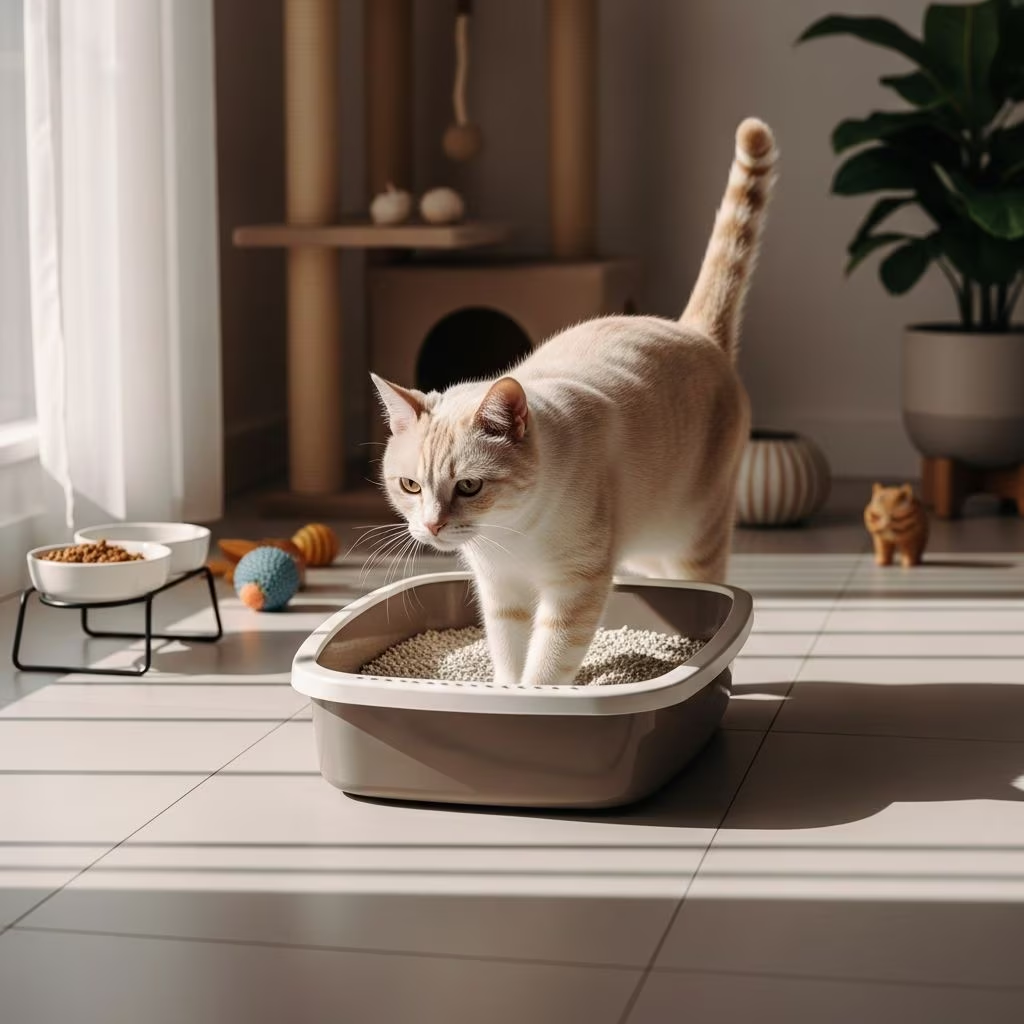
Transitioning an older cat from outdoor habits to indoor litter box use is entirely possible with the right approach. These 12 vet-approved steps provide a structured plan to help your senior feline adapt, addressing common challenges like mobility issues and unfamiliarity with litter.
Why Litter Training an Older Cat Matters
Older cats, especially those previously living outdoors, may resist indoor bathroom routines due to age-related arthritis, stress from environmental changes, or medical conditions. Veterinary experts emphasize that sudden house soiling often signals underlying health problems rather than behavioral defiance. For instance, senior cats might struggle with high-sided boxes or excessive litter depth due to stiff joints, turning the litter box into a source of discomfort. Prompt intervention prevents repeated accidents and fosters a healthier indoor lifestyle.
Rule of thumb: Provide one litter box per cat plus one extra, strategically placed for easy access, particularly on every floor for aging felines with reduced mobility.
The 12 Steps to Litter Train an Older Cat
1. Clean Up Accidents Quickly and Properly
Address any indoor accidents immediately to eliminate odors that attract repeat offenses. Use enzymatic cleaners to break down urine proteins thoroughly, as standard cleaners may leave residual scents detectable to cats. Products like enzyme sprays significantly reduce persistent litter odors, aiding the training process.
2. Choose the Right Litter Box
Opt for a large, open litter box to accommodate older cats’ needs. Avoid enclosed models, which trap odors and limit visibility, causing discomfort. For seniors with mobility challenges, select boxes with low entry sides, such as those designed for kittens and elderly cats, easing access without high steps.
| Litter Box Type | Best For Older Cats | Reasons |
|---|---|---|
| Open, Low-Sided | Highly Recommended | Easy entry/exit; arthritis-friendly; good visibility |
| Enclosed/High-Sided | Avoid | Traps odors; hard to enter; stressful |
| Large Size | Essential | Space for digging; accommodates larger seniors |
3. Pick the Perfect Litter Type
Select unscented, fine-grained clumping clay litter resembling sand, which mimics outdoor soil. Seniors may prefer litters formulated for their needs, like crystal varieties that reduce dust and odors. Introduce new litters gradually in a separate box to monitor preference without disrupting routines.
4. Consider Litter Depth and Avoid Liners
Maintain 2-3 inches of litter depth for comfortable digging—enough for coverage without overwhelming arthritic paws. Skip liners unless specified by the litter brand, as they can cause urine pooling, amplify odors, and deter use.
5. Select the Right Location for Training
Limit access to a small, manageable area during initial training, closing off high-risk rooms like bedrooms or those with delicate flooring. Place litter boxes in quiet, accessible spots, ideally one per floor, to minimize travel distance for seniors.
6. Provide an Attractive Setup
Create a welcoming training space with essentials: food, water, bed, toys, and scratching posts. Position the litter box at least 3 feet from food areas, respecting cats’ instinctual separation of elimination from eating zones. A comfortable environment reduces stress and encourages exploration.
- Quiet, low-traffic room
- Food/water at one end, litter at the other
- Plenty of play and rest options
7. Let the Waste Sit — Just a Bit
For novice litter users, delay scooping waste briefly to allow scent familiarization, guiding future visits. Once consistent use begins, scoop daily to prevent odor buildup, a common aversion trigger. Weekly full cleanings with mild soap, water, and optional vinegar ensure hygiene.
8. Scoop and Clean Regularly
Daily scooping maintains freshness; cats shun dirty boxes, leading to accidents. Deep clean every 1-2 weeks: empty litter, wash with dish soap and water, rinse thoroughly. Avoid harsh chemicals that leave lingering scents.
9. Rule of Thumb for Litter Boxes
Follow the guideline: one box per cat + one extra. This accommodates preferences and reduces competition in multi-cat homes, crucial for seniors with territorial sensitivities.
10. Check for Medical Issues First
Rule out health problems like urinary tract infections, arthritis, or kidney disease via vet exam before training. Seniors often mask pain, with litter avoidance as the first sign. Diet adjustments for aging needs can also improve bowel regularity.
11. Transition Gradually
For outdoor-to-indoor shifts, confine to one room initially, gradually expanding access as success builds. Positive reinforcement—treats and praise—upon successful use strengthens habits. Watch for stress from household changes, providing stability.
12. Be Consistent
Maintain routines: fixed box locations, consistent litter, and scooping schedules. Cats thrive on predictability; sudden changes provoke regressions. Slow transitions for any litter or box switches preserve progress.
Common Challenges and Solutions
Seniors may face arthritis making box entry painful, stress from indoor life, or litter aversion. Solutions include low-entry boxes, multiple placements where accidents occur, and vet-recommended litters. If issues persist, consult a behaviorist.
- Mobility: Low-sided boxes on every level
- Stress: Pheromone diffusers, consistent routines
- Odors: Enzymatic cleaners, frequent scooping
Frequently Asked Questions (FAQs)
Can older cats learn to use a litter box?
Yes, with patience and proper setup, even lifelong outdoor cats can adapt. Focus on accessibility and scent cues.
What if my senior cat avoids the litter box?
Check for medical issues first, then optimize box type, litter, and location. Add more boxes for convenience.
How many litter boxes for one older cat?
Two minimum (one per cat + one extra), placed strategically.
How deep should litter be for seniors?
2-3 inches; less if digging is difficult due to arthritis.
What litter is best for older cats?
Unscented, fine clumping clay or senior-specific crystals for low dust and odor control.
Litter training an older cat demands patience, but rewards include a safer indoor life. Stay positive, reward successes, and consult vets for tailored advice. Your senior deserves a comfortable routine.
References
- How To Litter Train An Older Cat: 12 Vet-Approved Steps — Catster. 2023. https://www.catster.com/lifestyle/how-to-litter-train-an-older-cat/
- Is Your Senior Cat Not Using the Litter Box? — Chewy. 2023. https://www.chewy.com/education/cat/training-and-behavior/solving-litter-box-problems-in-senior-cats
- Litter Training Kittens & Cats: The Complete Guide — Purina UK. 2023. https://www.purina.co.uk/articles/cats/kitten/behaviour/litter-training-kittens-and-cats
- Loving Care for Older Cats — Cornell University College of Veterinary Medicine. 2023-10-01. https://www.vet.cornell.edu/departments-centers-and-institutes/cornell-feline-health-center/health-information/feline-health-topics/loving-care-older-cats
- Remedial Litter Box Training — Louisiana SPCA. 2020-09. https://www.louisianaspca.org/wp-content/uploads/2020/09/Remedial-Litter-Box-Training.pdf



