
How to Litter Train a Rabbit: Complete Guide
Master rabbit litter training with expert tips, techniques, and proven strategies for success.
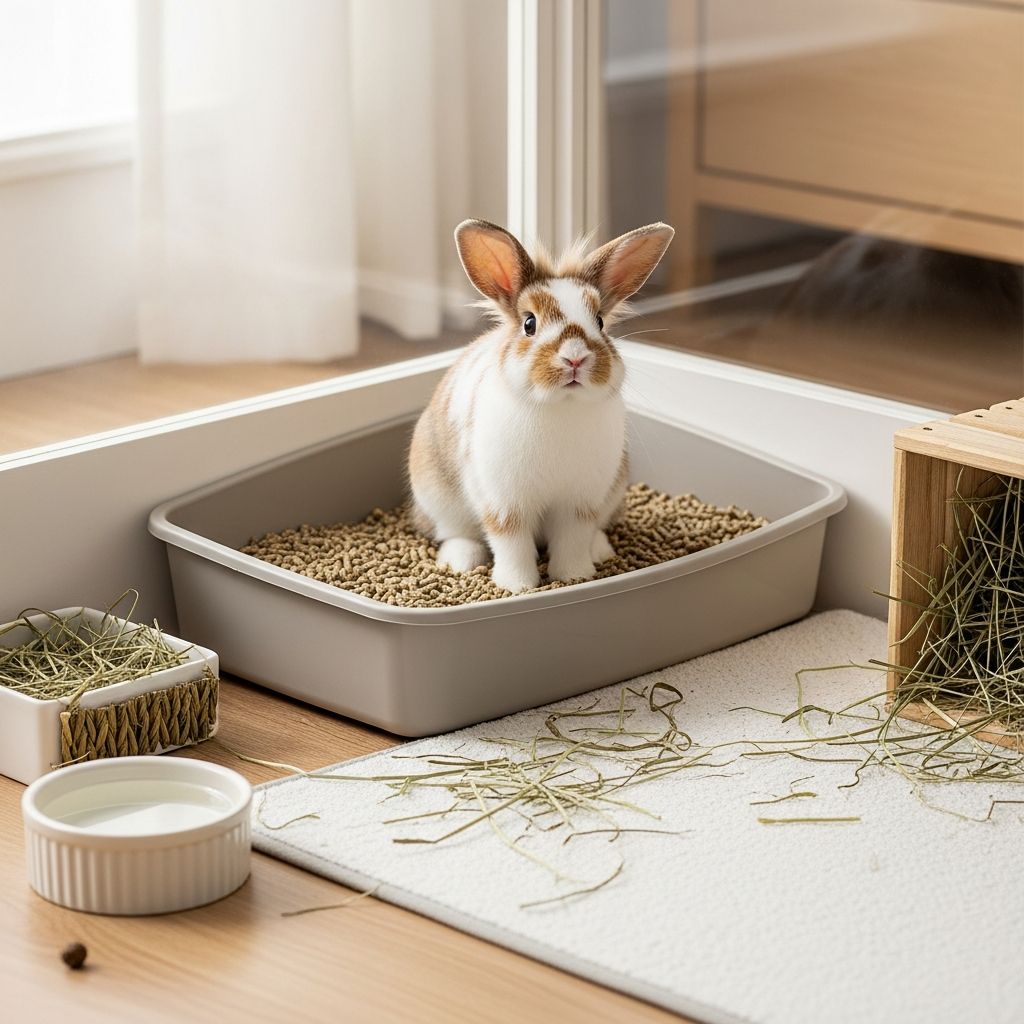
Litter training is one of the most rewarding aspects of rabbit ownership. Unlike the common misconception that rabbits are difficult to housetrain, the truth is that most rabbits have a natural instinct to designate specific areas for their bathroom needs. With the right approach, patience, and proper setup, your rabbit can become reliably litter trained, making life easier for both you and your furry friend. This comprehensive guide will walk you through everything you need to know about successfully litter training your rabbit.
Why Litter Train Your Rabbit?
Understanding the benefits of litter training provides motivation for the training process. Rabbits naturally mark their territory with urine and feces, and they instinctively choose specific spots—usually corners—for their bathroom needs. A properly litter trained rabbit will consistently return to their designated litter box, reducing mess throughout your home and making your rabbit’s living space cleaner and more hygienic. Additionally, litter training allows your rabbit more freedom to explore your home safely without constant worry about accidents. Post-puberty spayed or neutered rabbits are significantly less territorial and are much easier to keep potty trained, making the investment in this training worthwhile.
Essential Supplies for Litter Training
Before you begin training your rabbit, gather the necessary supplies to create an effective litter box setup.
Choosing the Right Litter Box
The litter box size is critical to your rabbit’s comfort and training success. Your rabbit should be able to move around comfortably inside the box, stretch out, and even lay down if desired. The sides must be low enough that your rabbit can easily jump in and out without straining. A standard 9″x12″ litter box works well for a single rabbit, while two rabbits sharing an enclosure will need a larger 15″x18″ box. If your rabbit tends to kick litter around, consider a high-sided litter box, a covered box, or a urine guard designed for cages. Just ensure the entrance remains low and accessible.
Selecting Safe Litter Materials
The type of litter you choose directly impacts your rabbit’s health and interest in using the box. Safe litter options include paper-based materials, compressed sawdust pellets, aspen shavings, wood pellets, and organic options like oat, wheat, and alfalfa-based litters. Never use clay litter, cedar, or clumping cat litter, as these materials are toxic to rabbits and can cause serious health problems. Fill the bottom of the litter box with approximately two to three inches of your chosen litter material. Many rabbit owners find that adding a thick layer of fresh hay at one end of the box or using a hay rack serves dual purposes—it provides food access and encourages your rabbit to use the box, since rabbits naturally eat and eliminate simultaneously.
Creating an Enticing Environment
To make the litter box an appealing destination, enhance it with your rabbit’s favorite items. Add papaya treats, a piece of apple, a favorite herb, or a small toy to create positive associations. Some rabbits respond well to fresh hay piled generously in the box. The goal is to make spending time in the litter box feel rewarding and comfortable for your rabbit.
Setting Up Your Rabbit’s Space
Proper space configuration is fundamental to successful litter training. Your rabbit needs a designated area they can claim as their own territory, separate from shared living spaces.
Enclosure Requirements
Ideally, your rabbit should have a large enclosure that accommodates the litter box, food and water bowls, toys, and still provides enough room for your pet to sprawl out comfortably. If your rabbit roams freely throughout a room rather than using an enclosure, you can designate corners or specific areas for litter boxes. The enclosure should be large enough that your rabbit can move around, lie down, and stand up outside of the litter box area. If your current space doesn’t meet these requirements, consider upgrading your rabbit’s living quarters.
Litter Box Placement Strategy
Placement is crucial for litter training success. Begin by placing litter boxes where your rabbit naturally tends to go to the bathroom. If you notice your rabbit favoring a particular corner, move the litter box to that location. In larger enclosures with multiple levels, you’ll need more than one litter box to accommodate your rabbit’s preferences. As your rabbit progresses in training and spends time in free-roaming areas, place additional litter boxes in those spaces using the same strategy you employed in the enclosure.
Step-by-Step Litter Training Process
Following a structured approach significantly increases your chances of successful litter training.
Phase One: Initial Setup and Confinement
Start litter training as soon as you bring your rabbit home. Begin by keeping your rabbit in a small area or their enclosure while they acclimate. Set up at least two litter boxes—a smaller one in a corner of the enclosure and a larger one in any free-roaming space. Place a handful of fresh hay in each box to encourage use. If your rabbit chooses a different corner for elimination, move the litter box to that location. This phase establishes the foundation for training and typically lasts several weeks.
Phase Two: Habit Formation
During this phase, continue litter box training primarily within the enclosure. After a few weeks, most rabbits will start using the litter box consistently and develop the habit. Keep your rabbit confined to their enclosure when unsupervised to reinforce the training. Once they consistently use the litter boxes for several days, you can begin gradually increasing their space in other rooms. If you notice your rabbit heading toward a corner without a box or lifting their tail as if preparing to eliminate, gently herd them back to their enclosure or nearby litter box. Alternatively, take a hands-off approach by moving a litter box to that location instead of chasing your rabbit.
Phase Three: Expansion and Consolidation
As your rabbit demonstrates consistent litter box use, you can remove extra training boxes and eventually expand their free-roaming territory. Continue monitoring their bathroom habits and place litter boxes strategically in their expanded living areas. Establish a routine of scooping the litter box daily and performing a deep clean once a month to maintain hygiene and keep your rabbit interested in using the box.
Important Considerations During Training
Age and Spaying/Neutering
Your rabbit’s age and reproductive status significantly affect litter training success. Young rabbits may not be reliable with litter box use until after they are spayed or neutered at 4 to 6 months of age. Spaying and neutering dramatically reduce your rabbit’s natural territorial marking behaviors with urine and feces. Interestingly, older rabbits are actually easier to train than younger ones, especially babies. If your rabbit is not spayed or neutered, you may encounter considerable difficulty with litter training due to intense territorial tendencies. However, post-adolescent spayed or neutered rabbits are less territorial and significantly easier to maintain in a litter-trained state.
Respecting Your Rabbit’s Territory
Never clean the cage or litter box while your rabbit is inside. This is your rabbit’s personal space and territory, and invading it can make them feel unsafe and interfere with training progress. Instead, clean during times when your rabbit is out of their enclosure. Coax your rabbit out gently rather than reaching in and grabbing them. When returning your rabbit to their area after cleaning, allow them to hop in on their own rather than placing them inside. Avoid reaching into the litter box and grabbing your rabbit or placing them directly inside one, as this can cause them to view the box as a punishment rather than a safe place, potentially leading to accidents outside the box.
Positive Reinforcement
Just like dogs and cats, rabbits respond well to positive reinforcement. When you catch your rabbit using the litter box, offer treats and praise. This positive association encourages continued litter box use and strengthens the training. Never punish your rabbit for accidents, as punishment causes stress and is ineffective in teaching the desired behavior.
Troubleshooting Common Issues
Litter Kicked Outside the Box
If your rabbit frequently kicks litter out of the box, try using a high-sided litter box, a covered litter box, or a urine guard. Ensure the entrance remains low and accessible for easy entry and exit. Experiment with different box styles to find what works best for your rabbit.
Inconsistent Litter Box Use
If your rabbit refuses to use the box or uses it inconsistently, re-evaluate several factors. First, examine your litter type—your rabbit may prefer a different material. Second, reconsider box placement. Your rabbit might need a box in a different location. Third, consider possible medical issues that could affect elimination habits. Consulting with a veterinarian can rule out urinary tract infections or other health concerns. Success rates show that after a bunny is spayed or neutered with the right setup, you should aim for at least 85% of poop and 99% of pee to go in the litter box.
Multi-Rabbit Households
In households with multiple rabbits, provide each rabbit with their own litter box. Rabbits are territorial creatures and may not share boxes reliably. Additionally, never have rabbits share litter boxes with cats. Cat litter is often more toxic to rabbits, and most rabbits and cats prefer their separate bathroom spaces. Avoid behavioral issues with both species by providing safe, clean litter boxes for each animal.
Maintaining Cleanliness and Hygiene
Cleanliness is essential for keeping your rabbit interested in using the litter box. Scoop the litter box daily to remove waste and soiled litter. Perform a deep clean once a month using a solution of half white vinegar and half water, which effectively eliminates odors and bacteria. Top the boxes daily with fresh hay to maintain the inviting environment you’ve created. Ensure the cage is well-ventilated with no lingering odors to prevent respiratory irritation in your rabbit.
Frequently Asked Questions
Q: Can older rabbits be litter trained?
A: Yes, older rabbits are actually easier to litter train than younger rabbits, especially babies. Even if your rabbit wasn’t trained as a young bunny, you can still successfully train them as an adult.
Q: How long does litter training typically take?
A: Litter training usually takes several weeks. After your rabbit is spayed or neutered and the litter box setup is optimized, most rabbits will show consistent use within 4 to 6 weeks of dedicated training.
Q: What should I do if my rabbit has accidents outside the litter box?
A: Never punish accidents. Instead, investigate the cause by examining litter type, box placement, and your rabbit’s health. Move the box to where accidents occur, try different litter materials, or consult a veterinarian to rule out medical issues.
Q: Is it necessary to spay or neuter my rabbit for litter training?
A: While not absolutely necessary, spaying or neutering significantly improves litter training success. These procedures reduce territorial marking behaviors, making training much easier and more reliable, especially in young rabbits.
Q: Can I use regular cat litter for my rabbit?
A: No, avoid clay and clumping cat litters as they are toxic to rabbits. Stick with rabbit-safe options like paper-based litter, wood pellets, aspen shavings, or organic materials like alfalfa or oat-based litters.
Q: Should I have multiple litter boxes in one enclosure?
A: Yes, especially during the training phase. Start with at least two boxes, and place additional ones where your rabbit shows preference for eliminating. You can gradually reduce the number as your rabbit reliably uses the boxes.
Conclusion
Litter training your rabbit is an achievable goal that enhances your rabbit’s quality of life and makes cohabitation more pleasant for everyone involved. By understanding your rabbit’s natural instincts, providing appropriate supplies, respecting their territory, and maintaining patience and consistency, you can successfully train your rabbit to use the litter box reliably. Remember that every rabbit is unique, and what works for one may need adjustment for another. Stay flexible, observe your rabbit’s preferences, and don’t hesitate to consult with a veterinarian if challenges arise. With dedication and the right approach, your rabbit will become a litter-trained companion, allowing them to enjoy more freedom in your home while maintaining a clean and hygienic living environment.
References
- How To Litter Train a Rabbit — PetMD. 2024. https://www.petmd.com/rabbit/how-litter-train-your-rabbit
- How can I housetrain my rabbit? — BC SPCA. https://spca.bc.ca/faqs/can-house-train-rabbit/
- How to Litter Train a Rabbit — Best Friends Animal Society. https://bestfriends.org/pet-care-resources/how-litter-train-rabbit
- Litter Training FAQ — House Rabbit Society. https://rabbit.org/care/litter-training-faq/
- Litter Training — Rabbit Advocates. https://rabbitadvocates.org/litter-training
Similar Articles








Read full bio of Sneha Tete


