

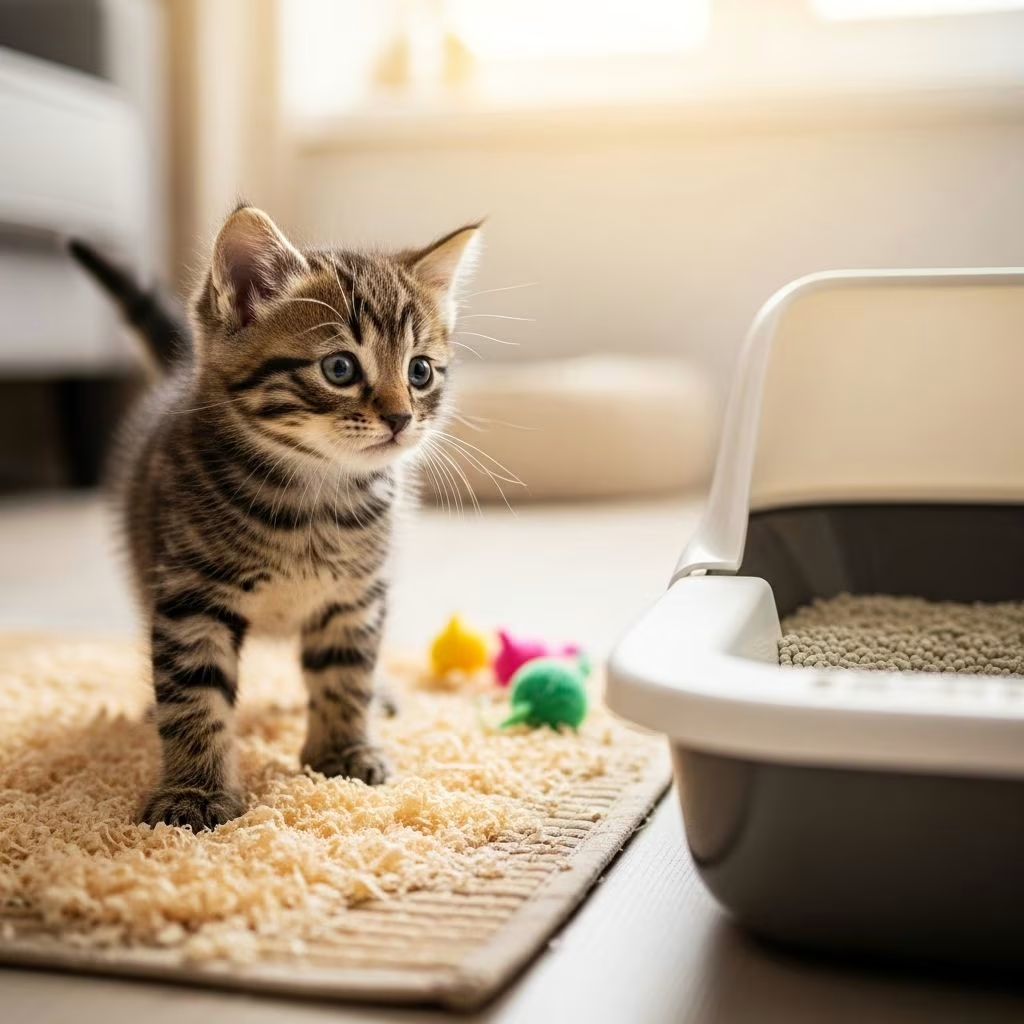
Litter training a kitten is one of the first essential steps in welcoming a new feline friend into your home. Most kittens instinctively gravitate toward a litter box due to their natural burrowing behaviors, making the process straightforward for many owners. However, with the right setup, timing, and techniques, you can ensure your kitten masters litter box use quickly, preventing accidents and promoting good hygiene habits from the start. This comprehensive guide covers everything from selecting the perfect litter box and litter to troubleshooting common issues, drawing on expert veterinary advice and proven strategies.
Main takeaways
- Kittens can begin litter training as early as **three weeks old**, right around weaning time when they start exploring solid foods.
- Select a litter tray approximately **one and a half times the length of your kitten** to allow comfortable movement and growth accommodation.
- Place the box in a **quiet, accessible location**—cats crave privacy but dislike long treks.
- Use **non-clumping, unscented litter** for young kittens to avoid ingestion risks and ensure safety.
- Scoop daily and reward successes with treats to reinforce positive behavior.
By following these core principles, most kittens adapt within days, though some may take weeks. Patience and consistency are key to fostering lifelong litter box habits.
Choosing the right litter box
The foundation of successful litter training starts with the litter box itself. Kittens have specific needs based on size, mobility, and preferences, so selecting the wrong one can lead to avoidance.
For young kittens, opt for a **shallow box with low sides** (around 3-4 inches high) that’s easy to enter without jumping. As they grow, transition to larger boxes—at least **1.5 times their body length**—to prevent outgrowing and discomfort. Adult-sized boxes work for older kittens but may overwhelm tiny ones.
Cats’ personalities dictate covered versus open boxes: some prefer enclosed privacy, while others feel trapped and opt for open designs. Experiment with both, starting open for kittens to monitor usage. High-sided boxes suit bigger cats to contain litter scatter, but ensure entry remains simple.
| Litter Box Type | Best For | Pros | Cons |
|---|---|---|---|
| Open, Low-Sided | Kittens under 12 weeks | Easy access, visible for monitoring | May scatter litter |
| Covered/High-Sided | Adults, privacy lovers | Contains odor and mess | Harder for small kittens |
| Extra Large | Large breeds or multi-cat homes | Room to move | Takes up space |
Position multiple boxes in multi-cat households—**one per cat plus one extra**—in separate, quiet areas to reduce competition.
Choosing the right litter
Litter choice impacts comfort, safety, and willingness to use the box. Kittens explore with their mouths, so prioritize **non-clumping, unscented, natural litters** like paper-based, wood pellets, or fine clay to minimize ingestion hazards. Clumping litters (e.g., bentonite clay) form hard balls that kittens may paw at uncomfortably, better suited for adults.
Fill to **2-3 inches deep** for digging—cats instinctively bury waste. Scented varieties repel sensitive noses; stick to unscented. If transitioning, mix old and new litter gradually over a week.
- Paper pellets: Soft, dust-free, biodegradable; ideal for kittens.
- Pine/wood: Natural scent, low dust; good for allergies.
- Clumping clay: Excellent absorbency for adults; avoid for babies.
Test textures—some cats reject coarse grains. Products like Kitten Attract can lure hesitant kittens with herbal scents.
Litter box setup
Optimal placement mimics a cat’s natural preferences: private yet convenient. Choose low-traffic spots like laundry rooms, bathrooms, or corners away from food/water (at least 3 feet) and noisy appliances.
Avoid basements or high-traffic zones—cats won’t hike far, increasing accident risks. Ensure easy access at all heights; multi-level homes need boxes per floor. Privacy reduces stress, but visibility aids monitoring during training.
Pro tip: Line floors nearby with puppy pads initially for mishaps, transitioning as confidence builds.
How to litter train a kitten fast
Most kittens self-train instinctively, but proactive steps accelerate the process to **days rather than weeks** . Start immediately upon bringing them home post-weaning (3-4 weeks).
Introduce the litter box early
From day one, show the box: Let them sniff, then gently place inside post-meal/nap. Demonstrate digging by running fingers through litter. Repeat after eating, drinking, or waking—prime elimination times.
Placing the kitten in the litter box after meals and naps
Kittens eliminate frequently post-feeding due to full bladders. Position them in the box, stimulate paws if needed, then praise/treat success. Confine to a small, box-adjacent area (bathroom) initially to build association.
Use positive reinforcement only—no scolding, as it breeds fear. Clean accidents with enzymatic cleaners to erase scents.
Training adult cats and strays
Adults and ferals face unique hurdles like past traumas or preferences. Success requires patience, often 1-2 weeks.
Providing multiple litter box options
Offer 2-3 boxes in varied locations/types (open/covered, litter varieties). One clean option always available prevents rejection.
Gradually expanding the cat’s access to the home
Start confined (one room with box), expand slowly once consistent. This builds reliable return habits.
Aversion to litter type or box cleanliness
Scoop **daily** (multiple times for kittens), fully change weekly. Test litters if refusal persists—dirty boxes are a top aversion cause. Pheromone diffusers (Feliway) reduce stress.
Troubleshooting common litter box problems
Accidents happen; diagnose systematically:
- Dirty box: Scoop more frequently.
- Wrong litter/box: Experiment (low sides, unscented).
- Medical issues: UTI symptoms (straining, blood)? Vet check essential.
- Stress: New pets/changes? Add boxes, pheromones.
- Location: Too noisy/hidden? Relocate.
If persistent, rule out health via vet—pain causes box avoidance. Temporary pads or box relocation to accident spots bridge gaps.
Frequently Asked Questions (FAQs)
Q: How long does it take to litter train a kitten?
A: Most kittens learn in a few days instinctively, but some take weeks with guidance.
Q: What if my kitten keeps having accidents?
A: Check cleanliness, litter type, location; clean thoroughly and use positive reinforcement.
Q: Can I use clumping litter for kittens?
A: Avoid under 8 weeks due to ingestion risks; opt for non-clumping.
Q: How often should I clean the litter box?
A: Scoop after each use for kittens, daily for adults; full clean weekly.
Q: What to do for a stray cat not using the box?
A: Confine initially, offer multiple options, transition gradually.
References
- Litter Training Your Cat/Kitten — Greenville Humane Society. 2021-05-01. https://www.greenvillehumane.com/wp-content/uploads/2021/05/Litter-Training-Handout.pdf
- How to Train a Cat to Use a Litter Box — Kinship. Accessed 2026. https://www.kinship.com/cat-behavior/litter-train-cat
- Kitten Litter Training Guide — FRONTLINE UK. Accessed 2026. https://uk.frontline.com/pet-advice/kitten-litter-training-guide
- Litter Training — Kitten Lady. Accessed 2026. http://www.kittenlady.org/litter
- How To Litter Train a Kitten: Tips and Advice — Kinship. Accessed 2026. https://www.kinship.com/cat-behavior/how-to-litter-train-a-kitten-tips-and-advice



