

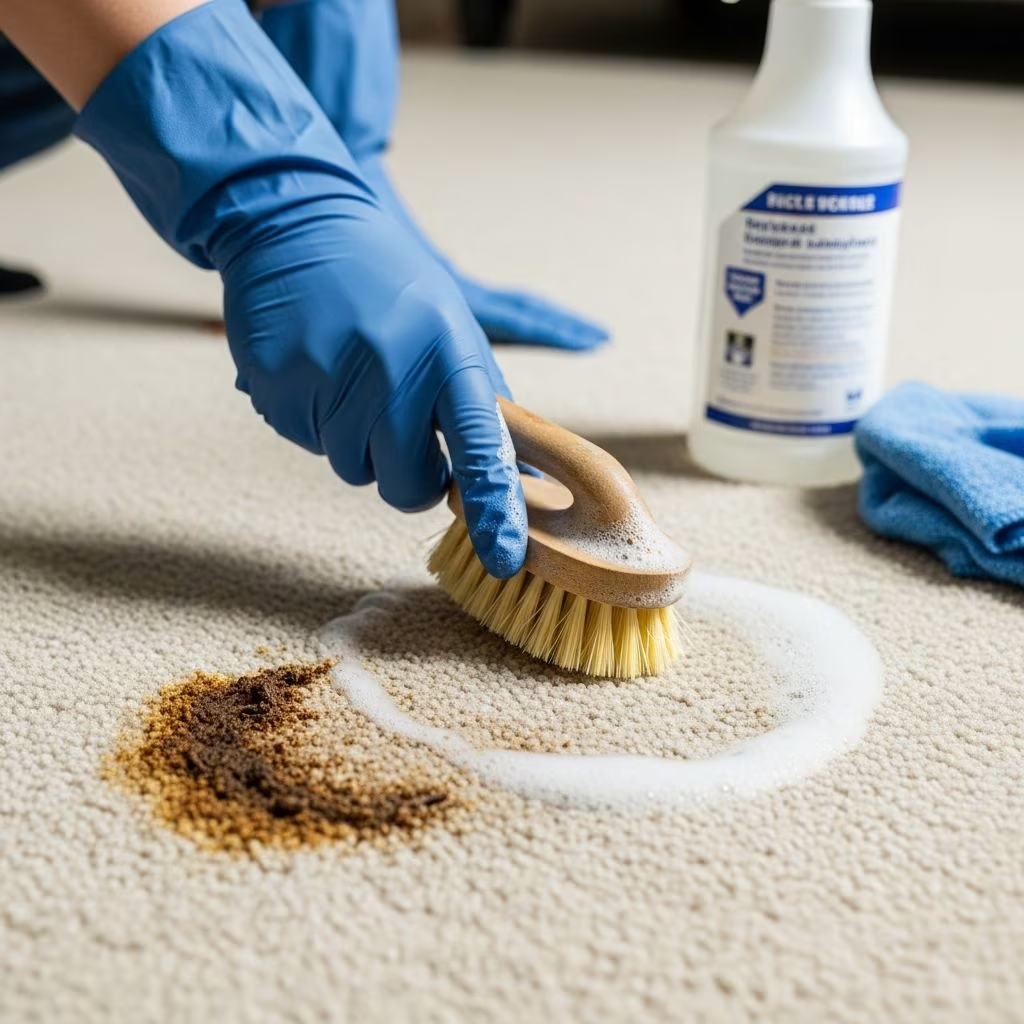
How to Lift Tough Pet Stains From Carpet
Pet accidents happen, and when they do, they can leave stubborn stains and odors that seem impossible to remove. Whether your furry friend has had a urine accident, vomited, or had other mishaps on your carpet, knowing how to properly clean these tough stains is essential for maintaining a fresh and hygienic home. The key to successful pet stain removal lies in acting quickly, using the right cleaning agents, and following a systematic approach. This comprehensive guide will walk you through proven methods for removing pet stains from carpet, whether they’re fresh or have been set in for some time.
Understanding Pet Stains and Why They’re Difficult to Remove
Pet stains present unique challenges because they contain biological materials that can bond with carpet fibers. The acids in dog urine, for example, can create lasting stains if left untreated. Unlike regular spills, pet accidents penetrate deep into carpet fibers and can leave behind odors that persist even after surface cleaning. Understanding what you’re dealing with—whether urine, vomit, or feces—helps you choose the most effective cleaning method. Each type of stain requires a slightly different approach, but the fundamental principles of quick action and proper technique remain consistent across all pet stain removal efforts.
The Most Important First Step: Immediate Cleanup
The first and most critical step in pet stain removal is acting quickly. The longer a stain sits, the more deeply it penetrates the carpet fibers and becomes embedded. For fresh stains, immediate action significantly increases your chances of complete removal.
For Wet Stains
If you discover a fresh pet accident while it’s still wet, your priority is to remove as much moisture as possible before applying any cleaning solutions. Use a spot cleaning machine to extract the urine from the carpet, or if you don’t have one available, use several layers of paper towels to absorb the moisture. The key is to blot, never rub. Rubbing spreads the stain and drives it deeper into the carpet fibers, making removal much more difficult. Replace your paper towels with fresh ones as they become saturated, continuing until the spot is fairly dry and little liquid comes up on the towel.
For Solid Waste
When dealing with vomit or feces, your first step is to scrape up any solids before applying any cleaning solution. Use a small tool or paper towel to remove as much solid material as possible. This prevents you from spreading the mess and ensures your cleaning solution can work effectively on the remaining stain.
Fresh Stain Removal: The Two-Step Method
For fresh pet stains, a simple two-step approach often proves highly effective. Most of the time, step one alone will remove the stain, but in cases with particularly stubborn stains, the second step provides additional cleaning power.
Step 1: Apply Enzyme Cleaner
After removing excess moisture or solids, apply an enzyme-based cleaning solution to the affected area. Enzyme cleaners are specifically formulated to break down the organic compounds in pet urine, vomit, and feces. The instructions are straightforward: saturate the affected area with the enzyme cleaner and let it sit for approximately 15 minutes. This dwell time is crucial, as it allows the enzymes to work through the stain and break down the biological materials. After the appropriate wait time, use a towel to blot the area and soak up the cleaner, or for a more thorough clean, use a carpet spot extractor to flush out the urine and rinse the cleaning agent.
Step 2: Use the Spray and Walk Away Method (For Stubborn Stains)
If the initial enzyme cleaner doesn’t completely remove the stain, don’t worry. For more difficult stains, you can move on to the next level of cleaning power. Before beginning this step, ensure the carpet is dry or mostly dry. Saturate the stained area with a 6% hydrogen peroxide solution. Hydrogen peroxide is particularly effective for set-in stains because it can break down virtually all organic pigments commonly found in pet accidents. Allow this solution to sit on the stain for 15 minutes, then use a towel to blot and extract, or use a spot cleaning machine for deeper extraction.
Dealing With Dried and Set-In Stains
Dried stains require a slightly different approach than fresh accidents. If you’re tackling a stain that has been on your carpet for a while, you’ll need to re-wet it and treat it more aggressively to ensure complete removal.
Preparation Steps
Before applying cleaning solutions to a dried stain, rinse and blot the stained area with water. This re-wets the stain and helps prepare it for treatment. Some professionals recommend running water over the area to flush out as much of the stain as possible. Don’t be afraid to use generous amounts of water for this initial flush.
Hydrogen Peroxide Treatment
For set-in pet urine stains, salon-grade hydrogen peroxide is by far the best approach. After re-wetting the stain, saturate the area thoroughly with hydrogen peroxide. Let it sit for 15 to 30 minutes, depending on the severity of the stain. During this time, you’ll often see the stain begin to fade. After the appropriate dwell time, use a clean white towel to absorb the solution and monitor the stain’s progress. You can repeat this process if necessary for particularly stubborn stains.
Natural and Chemical-Free Alternatives
If you prefer to avoid commercial cleaning products, several natural solutions can effectively remove pet stains while keeping your home free from harsh chemicals.
Vinegar and Baking Soda Method
A homemade mix of vinegar, water, and baking soda is a safe and effective way to remove stains. Here’s how to use it:
- Mix the solution: Combine equal parts water and white vinegar in a small bowl.
- Apply and soak: Soak the area with the water/vinegar solution and let it sit for five minutes. This helps cut through stubborn stains and re-wets the area to ensure all pet urine is lifted from the carpet.
- Scrub thoroughly: Scrub hard to get deep into the fibers below the carpet’s surface.
- Add baking soda: While the spot is still wet, sprinkle baking soda on the affected area. Pour a little of the vinegar solution on top and mix. You’ll see and hear it fizzing as it lifts the pet stain and odor from the carpet.
- Work it in: Rub in the baking soda with gloved hands or a brush to get it deep into the carpet fibers.
The vinegar neutralizes the ammonia in dog urine, which helps neutralize both the smell and the stain itself. For particularly stubborn stains or bad pee smells, use a 100 percent vinegar solution instead of the diluted version.
Baking Soda Paste for Old Stains
For older stains where the original liquid has dried, a mixture of baking soda and water can help remove remaining odor and residue. Apply this paste to the stain and let it sit for a while before cleaning it up with a dry towel. You can also simply sprinkle baking soda over the affected area, let it sit for around five minutes, and then vacuum it up.
The Critical Importance of Thorough Rinsing
Many pet owners overlook one of the most important steps in pet stain removal: thorough rinsing. When applying any sort of cleaner to carpet, you must rinse and remove any soapy residue. If you don’t, the smell will stick around and may even get worse. This is a key step that professional carpet cleaners use to remove pet stains, so it’s essential to follow their lead. After applying your chosen cleaning solution and extracting the stain, follow up with clean water and extraction to remove any remaining cleaning product residue. This final rinse ensures that your carpet smells fresh and clean, not like the cleaning solution.
Comparing Stain Removal Methods
| Stain Type | Fresh Stain Approach | Dried Stain Approach | Best Cleaning Agent |
|---|---|---|---|
| Urine | Blot with paper towels, apply enzyme cleaner for 15 minutes | Re-wet, apply hydrogen peroxide, let sit 15-30 minutes | Enzyme cleaner or 6% hydrogen peroxide |
| Vomit | Scrape solids, blot, apply enzyme cleaner | Re-wet, scrape, apply baking soda paste | Enzyme cleaner |
| Feces | Scrape solids, blot, apply enzyme cleaner | Rinse, blot, apply baking soda paste | Enzyme cleaner |
Using Commercial Pet Stain Removers
When using a commercial pet-stain remover, the same fundamental principles apply. Acting quickly is still key to success. Follow these steps for best results:
- Start by blotting up as much urine as possible with a clean cloth or paper towel, avoiding vigorous rubbing that could push the stain deeper into the carpet fibers.
- Once the area is prepped, apply the stain remover according to the product’s instructions.
- Make sure the stain is saturated and allow sufficient time for the enzymatic action to work.
- For stubborn stains, a second application or gentle scrubbing with a soft-bristle brush may be necessary to get the stain fully out.
- Always follow up with thorough rinsing to remove product residue.
Prevention Tips to Minimize Future Accidents
While knowing how to remove pet stains is valuable, preventing them in the first place is even better. Consider these preventive measures:
- Address accidents immediately when you notice them
- Ensure your pet has regular bathroom breaks and access to outdoor areas
- Consider enzymatic enzyme treatments as preventive measures in areas where accidents frequently occur
- Use pet-safe carpet protectants to make future cleanup easier
- Consult with your veterinarian if your pet is having frequent accidents, as this could indicate a health issue
Frequently Asked Questions
Q: How quickly should I clean a pet stain?
A: As quickly as possible. The acids in pet urine can bond with carpet fibers within hours, making old stains much harder to remove. Ideally, clean the stain within the first few hours of discovery.
Q: Is it better to rub or blot pet stains?
A: Always blot, never rub. Rubbing spreads the stain and drives it deeper into the carpet fibers, making removal much more difficult. Use gentle patting motions with paper towels or cloths.
Q: Can I use bleach to remove pet stains?
A: No, bleach is not recommended for pet stains. It can damage carpet fibers and create harmful fumes when combined with pet urine. Stick to enzyme cleaners, hydrogen peroxide, or natural alternatives like vinegar.
Q: What’s the difference between enzyme cleaners and regular cleaners?
A: Enzyme cleaners contain biological enzymes that break down the organic proteins in pet waste, while regular cleaners only remove surface stains. For pet accidents, enzyme cleaners are significantly more effective.
Q: How long should I let cleaning solution sit on the stain?
A: Most enzyme cleaners work best when allowed to sit for 15 minutes. Hydrogen peroxide treatments for set-in stains may require 15-30 minutes. Always follow the specific product instructions.
Q: Can old, set-in stains be completely removed?
A: Yes, even set-in stains can often be removed with the right approach. Hydrogen peroxide is particularly effective for dried stains. However, very old stains embedded deep in carpet backing may require professional cleaning.
Q: Why does the smell return after cleaning?
A: If you don’t thoroughly rinse away cleaning solution residue, trapped moisture and product can create odors. Always follow up cleaning with a thorough rinse and extraction to remove all residual products and moisture.
References
- How to Remove Any Pet Stain In Two Steps or Less — YouTube. https://www.youtube.com/watch?v=92luKRaVhb0
- How to Remove Dog Pee and Other Stains From Carpet—Without Harsh Chemicals — Kinship. https://www.kinship.com/dog-lifestyle/clean-carpet-pet-stains-naturally
- How to Remove Set-In Urine Stains From Carpet (Dog or Cat) — YouTube. https://www.youtube.com/watch?v=P29Og0OLgfc
- How to Get Rid Of Dog Pee Smell—Tips to Keep Your Home Clean — Kinship. https://www.kinship.com/dog-lifestyle/how-to-get-rid-dog-pee-smell



