

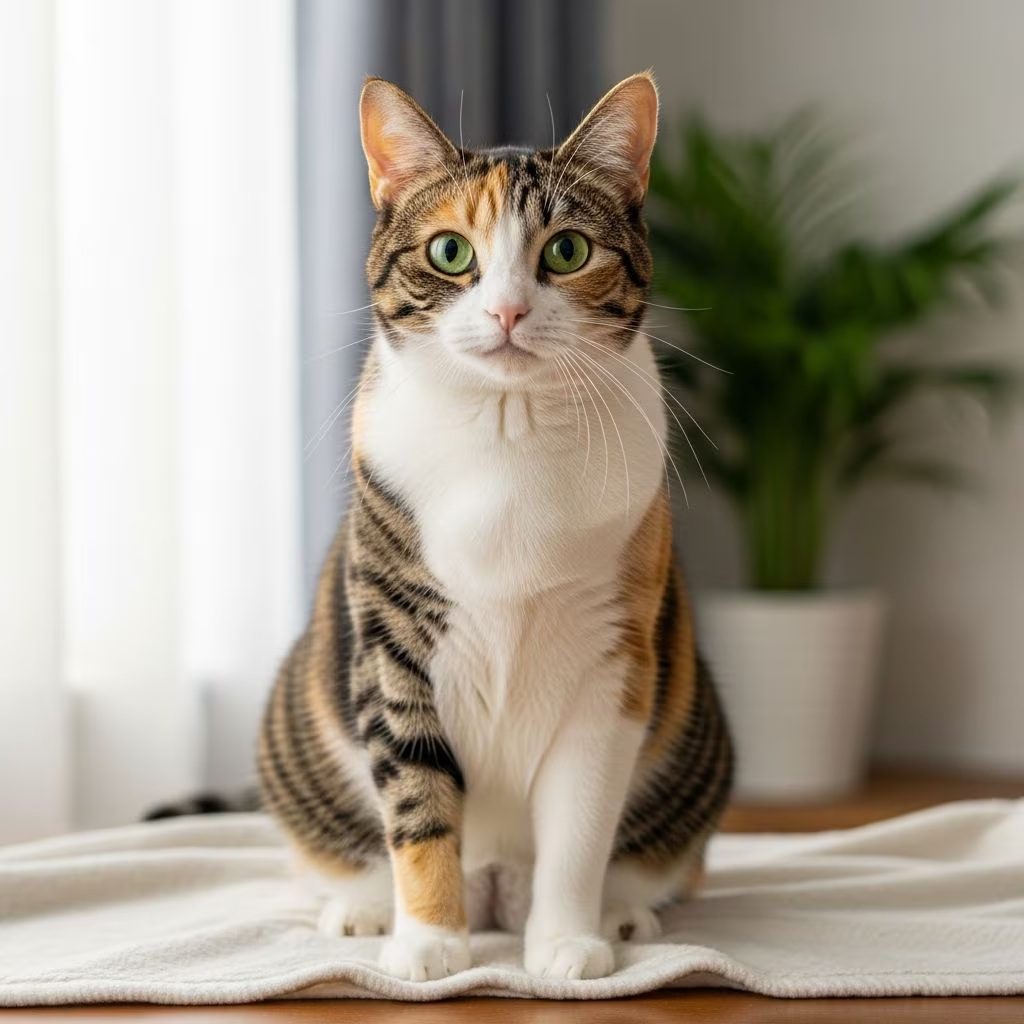
Ensuring your cat’s health is a cornerstone of responsible pet parenting. Cats are masters at hiding illness, so knowing the signs of a healthy cat can help you spot problems early. This comprehensive guide outlines key indicators across physical appearance, behavior, eating habits, and more, drawing from veterinary best practices to keep your feline companion vibrant at any age.
Physical Signs of a Healthy Cat
A healthy cat exhibits clear physical traits that reflect internal wellness. Regular observation of these features allows owners to monitor changes promptly.
Eyes
Bright, clear eyes with no discharge or cloudiness signal good health. The whites should be white, not red or yellow, and pupils should respond normally to light. Healthy cat eyes are alert and free from excessive tearing or squinting, which could indicate infections or allergies.
Ears
Clean ears without wax buildup, odor, or redness are ideal. Gently check inside the ear flaps weekly; a healthy ear canal is pale pink and dry. Dark debris or foul smells may suggest mites or infections requiring veterinary attention.
Nose
A cool, moist nose is a classic sign, though not definitive alone. It should be free of cracks, dryness, or discharge. While a warm nose doesn’t always mean illness, persistent dryness warrants a check.
Coat and Skin
A shiny, smooth coat with no bald patches, dandruff, or fleas points to health. Run your fingers through the fur; skin should be soft, pink, and elastic without lumps or scabs. Regular grooming supports this glossy appearance.
Teeth and Gums
Clean white teeth with pink, firm gums are healthy markers. No tartar buildup, bad breath, or loose teeth. Dental disease affects many cats, so inspect during playtime and consider professional cleanings.
Weight and Body Condition
Feel your cat’s ribs easily without excess fat covering them, and note a visible waistline from above. Use the body condition score (BCS) chart: ideal is 4-5/9, where ribs are palpable with minimal fat, abdomen tucked. Obesity risks diabetes and arthritis; underweight signals parasites or disease.
| BCS Score | Description | Health Implication |
|---|---|---|
| 1-3 | Ribs very prominent, no fat, severe waist tuck | Underweight – possible malnutrition or illness |
| 4-5 | Ribs palpable, waist visible, slight abdominal fat | Ideal – healthy weight |
| 6-9 | Ribs hard to feel, no waist, rounded abdomen | Overweight/Obese – risk of chronic diseases |
Behavioral Indicators of Cat Health
Behavior offers vital clues. A healthy cat is active, social on its terms, and consistent in routines.
- Activity Level: Playful zooming, jumping, and hunting toys daily. Kittens and young adults are energetic; seniors more sedate but still engage.
- Sleep Patterns: 12-16 hours daily is normal, mostly in short bursts. Excessive lethargy or insomnia signals issues.
- Social Interaction: Greet owners affectionately, tolerate petting, and coexist peacefully with household pets. Sudden hiding or aggression may indicate pain.
- Grooming Habits: Cats self-groom meticulously. Over-grooming leads to bald spots; neglect suggests depression or arthritis.
Eating, Drinking, and Elimination Habits
Consistent appetites and bathroom routines are health benchmarks.
Appetite
Steady eating without gorging or refusal. Picky eating occasionally is normal, but prolonged disinterest needs vet evaluation for dental pain or kidney disease.
Thirst and Urination
Normal water intake varies by diet; increased thirst signals diabetes or kidney issues. Litter box should show regular, formed urine clumps without straining or blood.
Bowel Movements
Firm, brown stools daily or every other day. Diarrhea, constipation, or mucus indicate diet changes, worms, or IBD.
Track habits with a journal: note frequency, color, consistency. Clean litter boxes daily to encourage use and monitor output.
Vital Signs to Check at Home
Learn baseline vitals for quick assessments.
- Temperature: Rectal normal 100.5-102.5°F (38-39.2°C). Use pet thermometer if trained.
- Heart Rate: 140-220 bpm at rest; feel pulse inside hind leg.
- Respiration: 20-30 breaths/min; watch chest quietly.
- Gum Color: Pink, moist; blanch test refill under 2 seconds.
Abnormalities like rapid breathing or pale gums require immediate vet care.
Age-Specific Health Checks
Kittens (0-1 Year)
Focus on growth: doubling birth weight by 2 weeks, eyes opening day 10. Vaccinations, deworming essential. Watch for diarrhea from weaning.
Adults (1-7 Years)
Prime health; annual exams. Spay/neuter prevents cancers. Monitor weight post-sterilization.
Seniors (7+ Years)
Semi-annual vet visits. Check for hyperthyroidism (weight loss, voracious appetite), arthritis (reduced jumping), kidney disease (thirst). Bloodwork screens early.
Geriatrics (15+ Years)
Quarterly checks. Mobility aids, soft food, subcutaneous fluids if needed. Cognitive dysfunction mimics dementia; pheromone diffusers help.
Common Health Red Flags
Act fast on these:
- Vomiting >1-2x/week or with blood.
- Diarrhea lasting 24+ hours.
- Lameness, limping, or dragging.
- Seizures, disorientation.
- Sudden appetite/behavior changes.
- Heavy breathing, coughing.
Emergency if open wounds, heatstroke signs (panting, collapse), or toxin ingestion.
Preventive Care for Long-Term Health
Proactive steps ensure vitality:
- Veterinary Wellness Exams: Annually for adults, twice yearly seniors. Include vaccines, fecal tests, bloodwork.
- Parasite Control: Monthly flea/tick/heartworm preventives; yearly deworming.
- Nutrition: AAFCO-approved diet matched to life stage. Measure portions to maintain weight.
- Exercise: Interactive toys, scratching posts, vertical spaces. 15-20 min play daily.
- Dental Care: Brushing with enzymatic toothpaste, dental treats/diets.
- Environment: Stress-free with litter boxes (1 per cat +1), clean water, safe plants.
Frequently Asked Questions (FAQs)
What are the first signs of illness in cats?
Subtle changes like hiding, reduced appetite, litter box avoidance, or altered grooming. Cats mask pain, so monitor closely.
How often should I take my cat to the vet?
Annually for kittens/adults; biannually for 7-14 years; quarterly for 15+. More if chronic conditions.
Is my cat overweight?
Use BCS: if ribs hard to feel or no waist tuck, yes. Consult vet for diet plan.
Why is my healthy-looking cat lethargic?
Possible anemia, infection, or pain. Vet exam with blood tests needed.
Can indoor cats be healthy without going outside?
Yes, with enrichment, diet, exercise. They live longer without risks like cars or fights.
By routinely checking these signs and maintaining preventive care, you’ll foster a long, joyful life for your cat. Early detection saves lives and reduces costs.
References
- Merck Veterinary Manual: Feline Clinical Pathology — Merck & Co., Inc. 2024-01-15. https://www.merckvetmanual.com/cat-owners
- WSAVA Global Nutrition Guidelines for Cats — World Small Animal Veterinary Association. 2023-06-01. https://wsava.org/global-guidelines/global-nutrition-guidelines/
- AAFP Feline Behavior Guidelines — American Association of Feline Practitioners. 2022-10-20. https://catvets.com/public/PDFs/PracticeGuidelines/Feline-Behavior-Guidelines.pdf
- CDC Healthy Pets Healthy People: Cats — Centers for Disease Control and Prevention. 2025-05-12. https://www.cdc.gov/healthypets/pets/cats.html
- AVMA Pet Nutrition Guidelines — American Veterinary Medical Association. 2024-03-08. https://www.avma.org/resources-tools/pet-owners/petcare/nutrition-your-pet



