

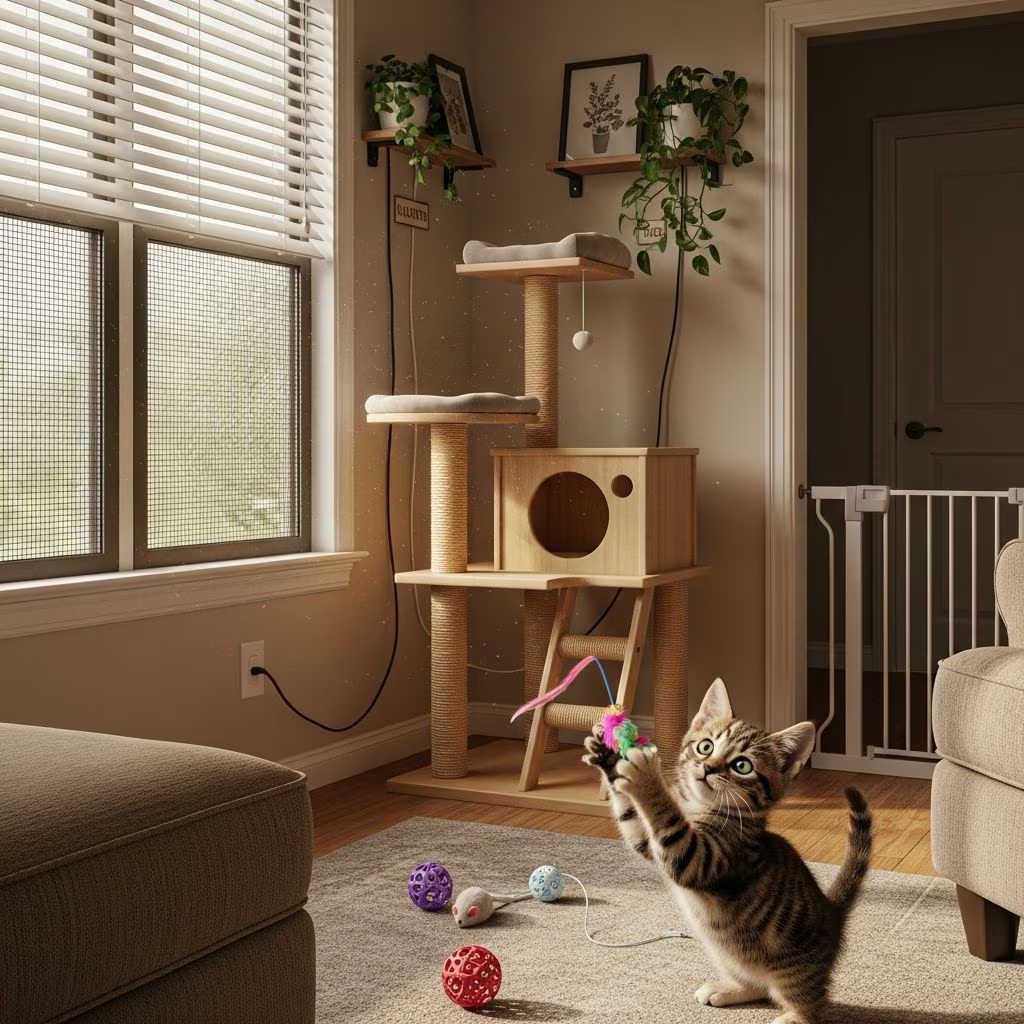
How to Kitten-Proof Your Home: A Comprehensive Safety Guide
Bringing a new kitten into your home is an exciting experience, but it also comes with significant responsibility. Kittens are naturally curious, energetic, and prone to exploring every corner of their new environment. Their small size, combined with their fearless nature, makes them vulnerable to numerous household hazards that might seem harmless to humans. Before your furry friend arrives, it’s essential to thoroughly kitten-proof your home to prevent injuries, poisonings, and other potentially life-threatening situations.
Kitten-proofing is not a one-time task but rather an ongoing commitment to maintaining a safe environment as your kitten grows and develops new behaviors. By understanding the common dangers lurking in your home and taking preventive measures, you can create a secure space where your kitten can play, explore, and thrive without risk.
Identify and Eliminate Electrical Hazards
One of the most dangerous elements in any home for a kitten is exposed electrical cords and wiring. Kittens are naturally attracted to dangling cords, viewing them as toys to bat around and chew on. When a kitten bites through an electrical cord, they risk receiving a severe electric shock that can cause burns inside their mouth, damage to their heart, or even death.
To protect your kitten from electrical hazards, take the following steps:
- Unplug electrical cords when they are not in use, whenever possible
- Tuck cords behind furniture and appliances where they cannot be easily accessed
- Use protective tubing or cord covers specifically designed for pet safety
- Consider using cord management systems that bundle multiple wires together safely
- Regularly inspect cords for signs of damage or exposed wiring
- Keep cords elevated off the floor and away from your kitten’s eye level
Additionally, be mindful of phone chargers, computer cables, and other small electronics that might be left plugged in around your home. These items should all be secured or stored out of reach to prevent accidental chewing and electrocution risks.
Secure Window Treatments and Blind Cords
Window treatments such as blinds, curtains, and drapes present multiple hazards for curious kittens. Long cords hanging from blinds can become entangled around a kitten’s neck, creating a strangulation hazard. Additionally, floor-length curtains and drapes are irresistible climbing opportunities for young kittens, who may pull them down or become entangled in the fabric.
To minimize these risks, implement these protective measures:
- Loop and tie up long blind cords off the floor, securing them at the top of the window
- Install cord tie-downs or safety devices designed to prevent strangulation
- Consider investing in cordless blind options for a completely hazard-free alternative
- Raise floor-length curtains off the ground by tying them up or pinning them higher
- Use sturdy curtain rods that can withstand the weight of a climbing kitten
- Cut plastic rings from six-pack beverage holders before throwing them away, as these are choking hazards
If you have multiple windows throughout your home, prioritize securing the most accessible windows first, particularly those in rooms where your kitten will spend the most time.
Remove Toxic Plants and Flowers
Many common household plants are toxic to cats and can cause serious illness or death if ingested. Kittens, being natural explorers, may chew on plants out of curiosity or boredom. Some of the most dangerous plants include lilies, which can cause kidney failure, and sago palms, which can cause liver failure in cats.
To keep your kitten safe from plant toxins:
- Remove all toxic plants from your home before bringing your kitten home
- Research any plants you wish to keep using the ASPCA’s list of toxic and non-toxic plants for cats
- Place any cat-safe plants in secure locations where they cannot be easily accessed or knocked over
- Consider using hanging planters or shelves placed too high for kittens to reach
- Use pot covers to prevent kittens from digging in soil, which can be harmful
- Monitor your kitten for signs of plant ingestion, including vomiting, diarrhea, or unusual behavior
If you’re unsure about whether a particular plant is safe for cats, it’s best to err on the side of caution and remove it from your home entirely.
Secure Bathroom Hazards
The bathroom is one of the most dangerous rooms in the house for kittens due to the concentration of hazardous substances and potential drowning risks. Toilet bowls pose a particular threat, as small kittens can fall in and drown. Additionally, bathroom cabinets often contain medications, cleaning supplies, and personal care products that are toxic if ingested.
Implement these bathroom safety measures:
- Keep the toilet lid closed at all times and consider installing toilet lid locks
- Make the bathroom off-limits to your kitten unless necessary for litter box placement
- Store all medications in secure cabinets out of reach of curious kittens
- Use cabinet locks on all under-sink storage areas
- Keep cleaning supplies and personal hygiene products securely stored on high shelves
- Ensure trash cans have secure, locking lids
- Check the bathtub and shower for any small objects or hazardous materials
If you must place the litter box in the bathroom, establish clear boundaries and ensure your kitten has access to the litter box while being prevented from accessing other bathroom hazards.
Kitchen Safety and Food Storage
The kitchen is another high-risk area for kittens due to the presence of toxic foods, sharp objects, and hot surfaces. Many human foods are dangerous for cats, including chocolate, onions, garlic, grapes, and raisins. Additionally, the kitchen contains numerous appliances with moving parts and hot surfaces that can injure a curious kitten.
Establish these kitchen safety protocols:
- Store all cat food in sealed, latching containers to prevent overeating and spoilage
- Keep human foods stored safely where kittens cannot access them
- Secure refrigerator doors so kittens cannot push them open
- Use cabinet locks to prevent access to cleaning supplies and toxic substances
- Keep knives, graters, and other sharp objects in secure drawers or on high shelves
- Check appliances such as ovens, dishwashers, washers, and dryers before closing doors and turning them on
- Use stove guards to prevent kittens from jumping onto hot cooking surfaces
- Replace trash cans with models featuring secure, locking lids
Establish a designated feeding area for your kitten away from the main kitchen workspace to keep them safe from foot traffic and cooking hazards.
Manage Small Objects and Choking Hazards
Kittens explore the world through their mouths, and small objects pose a significant choking hazard or can cause intestinal blockages if swallowed. Common household items that seem harmless to humans can be extremely dangerous for kittens, including rubber bands, plastic wrap, packaging materials, and craft supplies.
To minimize choking and blockage risks:
- Store rubber bands, hair ties, and string in secure drawers or containers
- Keep plastic wrap, aluminum foil, and wax paper out of reach
- Remove packaging peanuts and styrofoam from boxes immediately
- Secure needlework supplies, thread, and yarn in closed containers
- Pick up any small objects such as buttons, beads, or coins from floors and surfaces
- Review all cat toys for unsafe pieces that could be removed and swallowed
- Avoid toys with long, dangling parts such as feather toys or fishing pole toys that require constant supervision
- Check decorative items for tassels, tufts, and beads that could pose ingestion risks
Regularly walk through your home from a kitten’s perspective, looking for small items that might be tempting to bat around or chew on.
Prevent Falls and Secure Furniture
Kittens are naturally athletic and love to climb, but their developing coordination makes them vulnerable to falls from high places. Unsecured furniture, unstable bookshelves, and unprotected windows and balconies can all result in serious injuries or even death.
Implement these fall-prevention strategies:
- Secure tall bookshelves and furniture to the walls using brackets or anchors
- Ensure window screens fit tightly and cannot be easily pushed open
- Keep windows closed when kittens are unsupervised
- Avoid letting kittens roam unsecured balconies or patios
- Use baby gates to prevent access to open stairways
- Install ramps or steps for kittens to safely access higher areas
- Keep fragile items on high shelves or secure them with museum putty
- Place protective padding around sharp furniture corners and edges
Cat shelves and perches can provide safe climbing and observation opportunities, but ensure they are installed securely and at appropriate heights for developing kittens.
Create a Safe Zone and Essential Supplies
Beyond eliminating hazards, it’s important to create a dedicated safe space where your kitten can retreat when feeling overwhelmed or scared. This area should contain all the essential items your kitten needs to feel secure and comfortable in their new home.
Your kitten’s safe zone should include:
- A comfortable bed or hiding box for rest and security
- A clean litter box with flushable cat litter
- Fresh water and age-appropriate food
- Scratching posts or pads to encourage appropriate scratching behavior
- Enrichment toys for mental stimulation and play
- Cat shelves or perches at moderate heights for observation and climbing
This designated area allows your kitten to acclimate to their new surroundings at their own pace while remaining isolated from potential hazards in other parts of your home.
Additional Safety Considerations
Beyond the major hazards outlined above, several additional safety measures should be implemented throughout your home:
Doors and Windows: Ensure all doors and windows properly latch and close completely so your kitten cannot push them open and escape outside. Check weatherstripping and seals to prevent gaps.
Gaps and Hideouts: Inspect your home for small gaps in walls, floors, and ceilings where a kitten could become trapped. Check vents, appliances, and cabinets to ensure kittens cannot wedge themselves into dangerous spaces. Secure access to dryers, washing machines, and other appliances.
Interactions with Other Pets: If you have dogs in your home, carefully supervise all interactions between them and your kitten. Ensure dogs are comfortable around the kitten and never leave them alone together unsupervised. Keep kittens away from rocking chairs and other furniture that could crush them.
Chemical Safety: Store all household chemicals, detergents, and pesticides in secure cabinets or on high shelves completely out of reach. This includes laundry detergent pods, which are particularly attractive to curious kittens.
Frequently Asked Questions
Q: What is the most dangerous room in my house for a kitten?
A: The bathroom and kitchen are typically the most dangerous rooms due to concentrated hazards including toxic chemicals, medications, sharp objects, and drowning risks. The garage can also be hazardous due to automotive fluids and tools.
Q: How can I tell if a plant is toxic to my kitten?
A: Consult the ASPCA’s list of toxic and non-toxic plants for cats. When in doubt, remove the plant from your home. Common toxic plants include lilies, sago palms, poinsettias, and philodendrons.
Q: Should I use electrical cord covers or just hide the cords?
A: Both methods work well together. Hide cords behind furniture and appliances, and use protective covers on any cords that cannot be completely concealed. This provides multiple layers of protection against electrocution.
Q: What should I do if my kitten gets stuck in a small space?
A: Remain calm and try to lure your kitten out using treats or toys. If they cannot escape on their own, contact a veterinarian or emergency animal hospital for guidance. Prevention is key—secure access to potential hiding spots before they become problems.
Q: How often should I check my home for new hazards?
A: Conduct a thorough inspection when you first bring your kitten home, then do a monthly safety check. As your kitten grows, reassess hazards since larger kittens may be able to reach new areas and present different risks.
Q: Is it safe to use essential oil diffusers around kittens?
A: No, many essential oils are toxic to cats and can cause respiratory issues, neurological problems, or other serious health complications. Avoid using diffusers, sprays, or products containing essential oils in homes with kittens.
References
- How to Kitten-Proof Your Home — VCA Animal Hospitals. https://vcahospitals.com/pediatric/kitten/prep-supplies/how-to-kitten-proof-your-home
- 15 Kitten-Proofing To-Do’s Before Bringing a Kitten Home — PetMD. https://www.petmd.com/cat/emergency/dangerous-household-items-kittens
- 30 Tips To Kitten-Proof Your Home — Chewy Education. https://www.chewy.com/education/cat/new-cat/30-tips-to-kitten-proof-your-home
- Kitten Proof Your Home – SPCA of Luzerne County — SPCA of Luzerne County. https://www.spcaluzernecounty.org/news-room.html/article/2021/11/06/a-complete-checklist-for-kitten-proofing-your-home
- Cat Safety Tips: How to Cat Proof Your Home — ARM & HAMMER. https://www.armandhammer.com/en/articles/how-to-cat-kitten-proof-your-house
- The Essential Guide to Kitten-Proofing Your Home — SpayMart. https://spaymart.org/the-essential-guide-to-kitten-proofing-your-home/
- Kitten-Proofing Your Home — Blue Buffalo. https://www.bluebuffalo.com/articles/cat/kitten-proof-home/



