

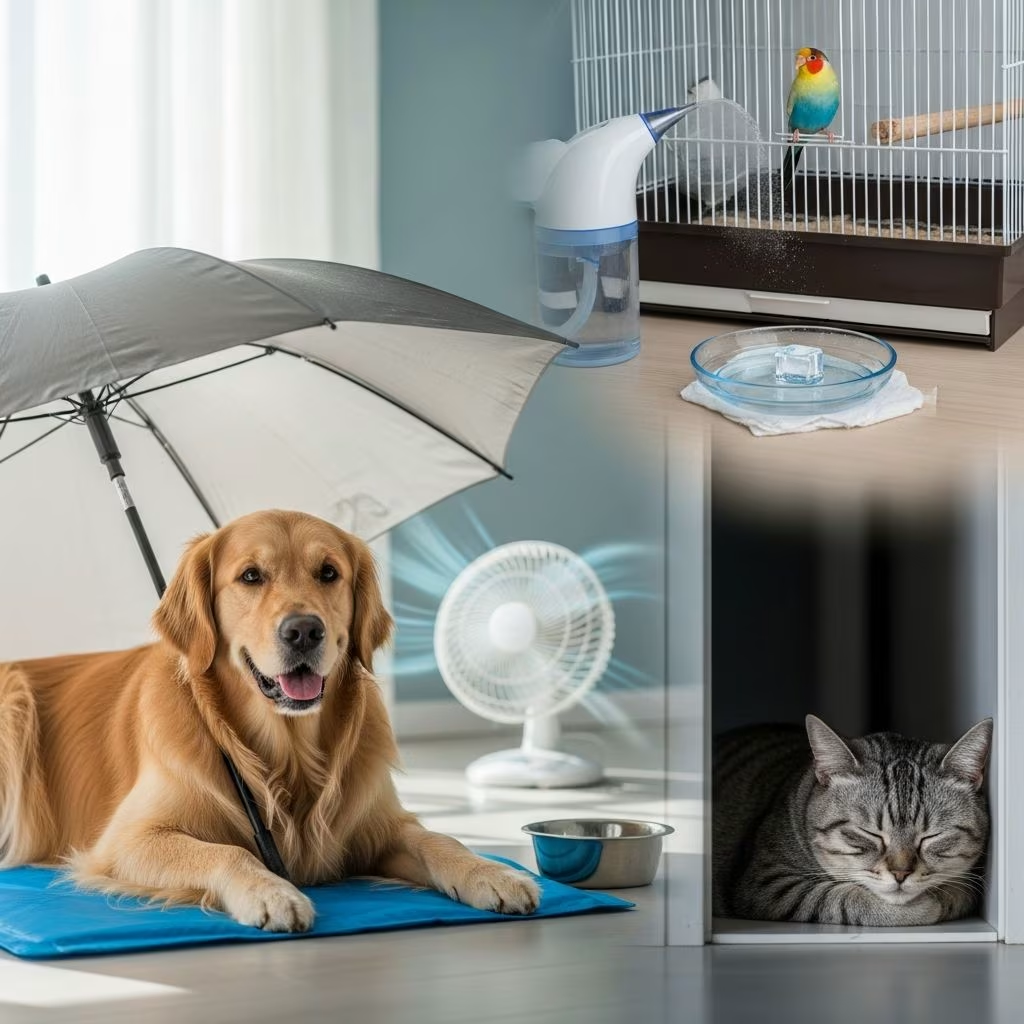
Extreme heat poses serious risks to pets, including heatstroke, dehydration, and burns, which can lead to organ damage or death if not addressed promptly. Pets like dogs and cats regulate body temperature primarily through panting, making them vulnerable when temperatures soar above 70°F, especially in high humidity. This guide covers essential precautions, from hydration and shelter to recognizing heat-related emergencies, drawing on veterinary and humane society recommendations.
Recognize the Signs of Heatstroke
Heatstroke occurs when a pet’s body temperature exceeds 105°F, causing rapid deterioration. Early detection is critical: look for **excessive panting** that doesn’t subside, brick-red gums, rapid heartbeat, drooling, lethargy, weakness, vomiting, or collapse. In severe cases, pets may seizure or lose consciousness. Dogs with short noses (brachycephalic breeds like Bulldogs), overweight pets, elderly animals, or those with heart conditions are at higher risk.
Rectally measure temperature if safe; above 105°F confirms heatstroke. Act immediately to prevent irreversible damage like organ failure.
Provide Plenty of Fresh Water and Shade
Hydration prevents dehydration, which exacerbates overheating. Ensure constant access to cool, fresh water—add ice cubes during heatwaves to keep it chilled. Place multiple bowls indoors and outdoors; encourage drinking by refreshing frequently.
Shade is equally vital: never rely on doghouses, as they trap heat. Use tarps, trees, or open structures allowing airflow. Bring outdoor pets inside when temperatures exceed 70°F, particularly in humidity. Fans help humans but are less effective for pets that don’t sweat like we do.
Never Leave Pets in Parked Cars
Cars turn lethal ovens rapidly: on an 85°F day, interiors hit 102°F in 10 minutes and 120°F in 30, even with cracked windows. Never leave pets inside, even briefly or with AC running—engines fail, and heat builds fast. If you spot a pet in distress, call authorities; many areas allow rescue under Good Samaritan laws.
Limit Exercise During Peak Heat
Avoid walks, runs, or hikes from 10 AM to 4 PM when asphalt scorches paws—temperatures over 95°F cause burns on contact. Test pavement with your hand: if too hot for 5 seconds, it’s unsafe. Opt for grass, early mornings, or evenings. Short-nosed breeds and puppies tire faster; shorten sessions and carry water.
Indoor play or cooling mats provide alternatives. Hiking trails often ban dogs above 100°F due to heatstroke and burn risks.
Grooming Tips for Hot Weather
Regular brushing removes undercoat, aiding airflow without shaving—fur insulates against sun and retains cooling water. Trim long-haired breeds lightly; consult groomers for pet-safe styles. Never shave to skin, as it exposes skin to UV burns and eliminates natural protection.
Apply pet-safe sunscreen to light-coated pets’ noses, ears, and bellies to prevent cancer. Brush cats frequently to avoid matting in heat.
Protect Paws from Hot Surfaces
Pavement, sand, and sidewalks burn paws above 95°F, causing blisters or third-degree burns needing surgery. Use booties, paw balms, or walk on cool grass/sand. Avoid hot concrete during midday.
| Surface Temperature (°F) | Paw Burn Risk |
|---|---|
| 120 | Pads damaged in 7 seconds |
| 130 | Burns in 3 seconds |
| 150+ | Burns in 1 second |
Test: Hold hand to surface—if unbearable after 5 seconds, protect paws.
Water Safety Around Pools and Bodies of Water
Supervise pets near pools; they can drown without ramps or steps. Rinse chlorine/salt from fur post-swim to avoid irritation. Introduce water gradually with life jackets on boats. Avoid letting pets drink tainted water—provide fresh alternatives.
Keep gates closed or pools covered when unsupervised.
First Aid for Heatstroke
Move to shaded, cool area immediately. Wet with room-temperature water (hose or towels) on head, neck, armpits, feet—avoid ice, which constricts vessels. Fan to evaporate moisture; offer small sips of cool water if alert.
Monitor rectal temperature: cool until 103°F, then stop and rush to vet. Every minute counts—heatstroke causes organ damage.
Special Considerations for Vulnerable Pets
- Brachycephalic breeds (Pugs, Boxers): Struggle breathing; limit activity.
- Seniors/Obese pets: Overheat faster; AC indoors essential.
- Light/white-coated animals: Sunscreen for ears/nose.
- Cats: Brush often; provide cool hideaways.
Update flea/tick preventives—heat boosts pests.
Frequently Asked Questions (FAQs)
What temperature is too hot for my dog?
Temperatures above 70°F with humidity risk heat issues; above 85°F is dangerous, especially for vulnerable pets.
Can I shave my dog to keep them cool?
No—fur protects from sun/overheating. Brush/trim instead.
How do I know if pavement is too hot for paws?
5-second hand test: if too hot, skip walks or use booties.
Is it safe to walk dogs at night in summer?
Yes, evenings are cooler; avoid asphalt retaining daytime heat.
What if my pet shows heatstroke signs?
Cool gradually with water/fan to 103°F rectally, then vet immediately.
Plant and Garden Safety
Ensure gardens lack toxic plants like azaleas or lilies, which pets may chew in heat stress. Provide pet-safe shade plants.
References
- How to Keep Pets Safe When Temperatures Rise — American Red Cross. 2023-06-15. https://www.redcross.org/about-us/news-and-events/news/keep-pets-safe-in-hot-weather.html
- Pet Heat Safety: Staying Safe in the Summer Sun — Michigan State University College of Veterinary Medicine. 2024-05-20. https://cvm.msu.edu/vetschool-tails/pet-heat-safety-staying-safe-in-the-summer-sun
- Keep Pets Safe Before the Temperature Gets Too Hot — Humane Society of the United States. 2024-07-10. https://www.humaneworld.org/en/resources/keep-pets-safe-temperature-gets
- Keeping Cool: Caring for Pets in a Heatwave — ASPCA Pet Insurance. 2024-06-01. https://www.aspcapetinsurance.com/resources/caring-for-pets-heatwave/
- Too Hot to Handle: A Guide to Heatstroke in Pets — American Animal Hospital Association (AAHA). 2023-08-12. https://www.aaha.org/resources/too-hot-to-handle-a-guide-to-heatstroke-in-pets/
- Heat Safety Tips for Pets — Arizona Humane Society. 2024-05-05. https://www.azhumane.org/heat-safety-tips-for-pets/
- Hot Weather Safety Tips — ASPCA. 2023-11-28. https://www.aspca.org/pet-care/general-pet-care/hot-weather-safety-tips



