

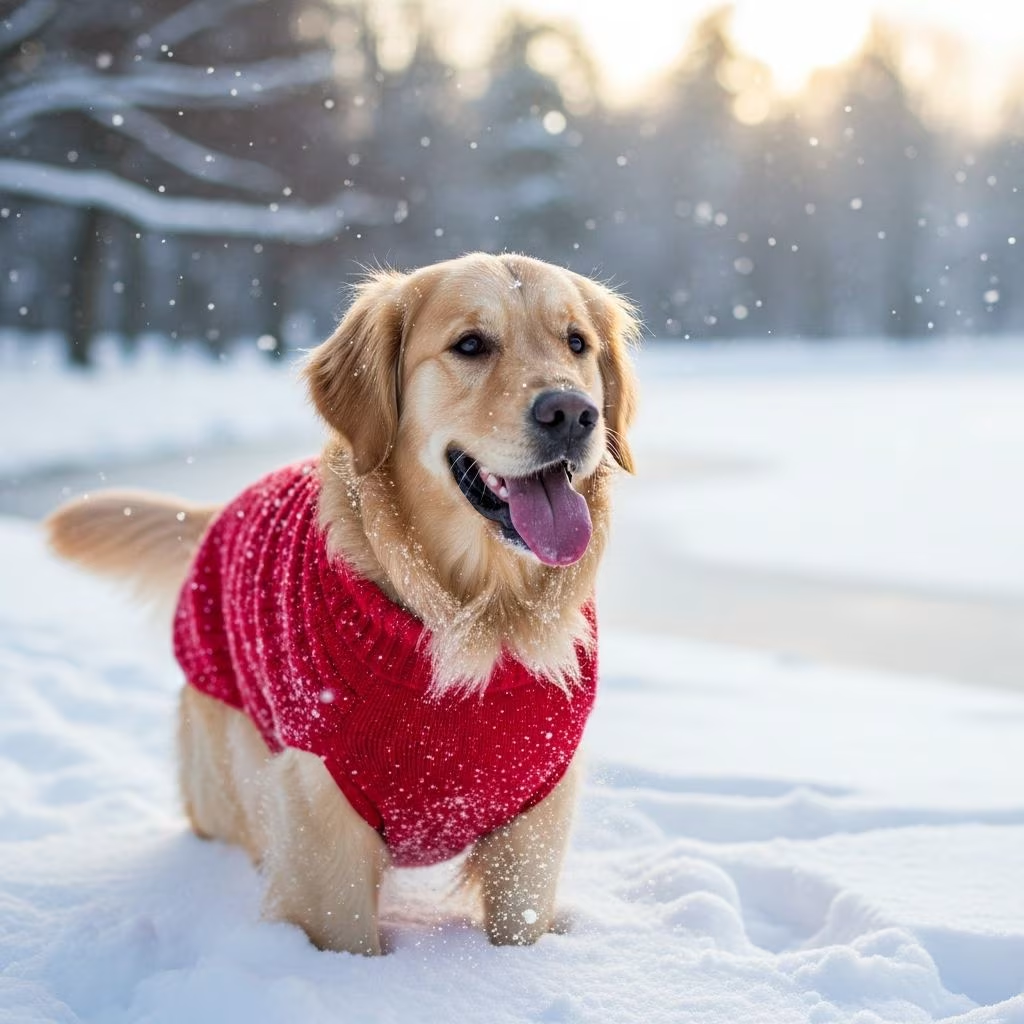
Winter weather presents unique challenges for dog owners who want their pets to enjoy outdoor activities safely. Cold temperatures, snow, ice, and harsh weather conditions can pose serious risks to dogs, from frostbite and hypothermia to paw pad injuries and dehydration. Whether your dog loves winter adventures or simply needs bathroom breaks in frigid conditions, understanding how to keep them warm and protected is essential for their health and well-being.
Understanding Your Dog’s Cold Tolerance
Not all dogs are created equal when it comes to handling cold weather. Each dog has a unique tolerance for freezing temperatures that depends on several factors. Your dog’s breed, coat thickness, age, size, and overall health all play significant roles in determining how well they can withstand cold conditions. Dogs with thick, double coats—such as Huskies, Malamutes, and German Shepherds—are naturally better equipped for winter weather. Conversely, dogs with thin coats, small breeds, puppies, and senior dogs struggle more to regulate their body temperature in cold conditions.
Observing your dog’s behavior during winter outings is crucial for identifying when they’ve reached their cold threshold. Watch for clear signs of discomfort, including shivering, reluctance to move, lifting their paws repeatedly off the ground, seeking shelter, whining, or attempting to head back indoors. These behaviors indicate that your dog is experiencing cold stress and needs to come inside immediately. According to veterinary experts, if it’s too cold for you to be comfortable in your winter coat, it’s likely too cold for your dog as well.
Protective Winter Gear for Dogs
Dog Coats and Sweaters
One of the most effective ways to keep your dog warm outside is to invest in appropriate protective clothing. Dogs with thin coats, small frames, or naturally low body fat benefit significantly from sweaters and insulated jackets designed specifically for canines. These garments help trap body heat and provide an additional barrier against wind and moisture. When selecting a coat or sweater, ensure it covers your dog’s back, neck, and belly—areas where heat loss occurs most rapidly. The garment should fit snugly without restricting movement or causing discomfort. For dogs with longer coats, consider a lightweight layer that won’t add excessive bulk while still providing thermal protection.
Paw Protection and Booties
Your dog’s paws are particularly vulnerable to cold weather injuries. The sensitive paw pads can develop frostbite, cracks, and abrasions when exposed to ice, snow, salt, and chemical de-icers. Dog boots and shoes provide essential protection by creating a barrier between tender paw pads and harsh winter elements. Quality booties also improve traction on slippery surfaces, reducing the risk of slips and falls. Additionally, booties prevent snow and ice from packing between the toes, which can cause discomfort and potential injury.
When selecting booties, choose options that fit properly—neither too tight nor too loose—and ensure they stay secure during activity. Consider keeping extra booties on hand in case they become wet or soiled. Some dogs take time to adjust to wearing booties, so introduce them gradually with positive reinforcement and treats to build acceptance.
Additional Winter Accessories
Beyond coats and booties, several other accessories provide valuable protection during winter outings. Dog goggles shield eyes from harsh sun glare reflecting off snow, which can be particularly beneficial for dogs with light-colored eyes or pre-existing eye conditions like Pannus. Ear protection becomes important for dogs participating in activities near loud equipment like helicopters or snowmobiles. A well-fitting harness ensures your dog remains secure and can be safely controlled on slippery surfaces. For extended outdoor activities, consider carrying a first-aid kit, extra food, water, and emergency supplies appropriate for cold weather conditions.
Paw Care and Protection Strategies
Proper paw care is one of the most important aspects of winter dog safety. Before heading outdoors, massage a layer of petroleum jelly or veterinarian-approved paw balm into your dog’s paw pads. This creates a protective barrier against freezing temperatures, salt, and chemical de-icers. Pet-safe paw waxes and balms form a seal that prevents ice buildup and reduces salt irritation. Some products specifically target protection against ice melt chemicals and road salt.
After every outdoor outing, thoroughly clean and dry your dog’s paws and belly. Use warm water to gently wash away any salt, ice, chemical residue, or debris lodged between the toes. Pay special attention to the spaces between foot pads where harmful substances accumulate. Completely dry the paws with a towel to prevent chapping and cracking. For dogs with cracked or irritated paw pads, apply a moisturizer designed for sensitive dog skin, such as products formulated with lanolin or udder balm specifically approved for pets.
If your dog develops significantly cracked or bleeding paw pads, seek veterinary care to rule out infection or more serious injuries. During the winter months, consider using pet-friendly ice melt products in your yard and on sidewalks where your dog spends time. Standard rock salt and chemical de-icers can cause irritation and toxicity if ingested.
Coat and Skin Care During Winter
Winter weather can severely impact your dog’s coat and skin health. Cold air is naturally dry, and the combination of low humidity and frequent bathing can cause itchy, flaking skin. To minimize skin irritation, maintain proper home humidification levels throughout winter months. When your dog comes inside after outdoor time, immediately towel-dry their entire body, paying particular attention to the belly and paw areas where moisture accumulates.
Regarding grooming choices, resist the temptation to shave your dog’s coat too short during winter months. A longer coat provides natural insulation and thermal protection. However, some strategic trimming helps prevent problematic ice and salt clumps from forming in the fur, particularly between the toes and in the undercarriage. For short-haired dogs that need additional coverage, a properly fitted coat or sweater becomes essential winter wear.
Maintain regular brushing to remove wet snow, ice buildup, and debris from your dog’s coat. A well-groomed coat with good circulation underneath provides better insulation than a matted, dirty coat. Consider adjusting your dog’s bathing frequency during winter, using lukewarm water and limiting baths to every three to four weeks unless medically necessary, as frequent bathing strips natural oils that protect skin and coat.
Gradual Acclimation to Cold Weather
Rather than throwing your dog directly into long winter outings, gradually acclimate them to cold conditions. Begin with short outdoor sessions and slowly increase duration as your dog becomes comfortable with cooler temperatures. This approach allows their body to adjust to the cold and helps you identify their individual cold tolerance. Start with five to ten-minute outings and progressively extend them as your dog demonstrates comfort and proper behavior.
Watch your dog during these acclimation sessions for any signs of stress or discomfort. According to veterinary professionals, if your dog shows no signs of shivering or desire to return indoors and seems to be enjoying themselves, you can gradually extend their time outside. However, always err on the side of caution, especially with puppies, senior dogs, and breeds not naturally adapted to cold climates.
Limiting Outdoor Time and Creating Efficient Bathroom Breaks
Even with proper gear and acclimation, it’s important to limit your dog’s time outdoors during extremely cold conditions. Shorter, more frequent outings are preferable to extended periods in freezing temperatures. When it’s particularly cold or icy, plan multiple short bathroom breaks rather than one lengthy outdoor session. This approach minimizes cold exposure while ensuring your dog gets necessary relief.
Make bathroom breaks more efficient by shoveling a designated area down to grass where your dog can quickly do their business. Choose protected areas with some shelter from wind, snow, and ice. Use treats as positive reinforcement for quick bathroom completion, which helps discourage lingering outside and reduces the temptation for accidents indoors.
Nutrition and Hydration for Cold Weather
Winter activities demand increased energy expenditure as your dog’s body works to maintain warmth. Ensure your dog receives quality nutrition that supports their metabolic needs during cold weather. A diet with appropriate protein-to-fat ratios helps fuel active dogs and maintain lean muscle mass for temperature regulation. Some active dogs may benefit from slightly increased food portions during winter months to support their elevated caloric needs.
Hydration remains critically important even in cold weather. Many dogs forget to drink adequate water when temperatures drop. Offer fresh, unfrozen water frequently throughout the day, and always bring water on outdoor adventures. Some dogs prefer slightly warmed water during winter, which can encourage more consistent drinking. Dehydration in cold weather is just as dangerous as in summer, though it’s often overlooked because owners focus primarily on cold-related hazards.
Alternative Indoor Enrichment Activities
On particularly cold days when outdoor time is limited, prioritize engaging indoor enrichment to keep your dog mentally and physically stimulated. Puzzle toys that require problem-solving provide mental enrichment while burning energy. Training sessions work on obedience, new tricks, or agility exercises in a confined space. Scent games, such as hiding treats around the house or creating a sniff course, provide natural enrichment that simulates outdoor exploration. Indoor agility courses built from household items offer physical activity without cold weather exposure.
Interactive play sessions with toys, fetch games, or chase games keep your dog active and engaged during winter months. Many dogs find indoor enrichment activities as satisfying as outdoor play when provided consistently and varied regularly.
Recognizing and Treating Cold-Related Injuries
Despite preventive measures, cold-related injuries can still occur. Hypothermia—a dangerous drop in core body temperature—is one of the most serious winter threats. Signs include excessive shivering, weakness, lethargy, stiff muscles, and mental confusion. If you suspect hypothermia, bring your dog indoors immediately and begin gradual rewarming with blankets and towels. Never use direct heat sources like hairdryers on high settings, as they can cause burns or cause blood vessels to dilate too rapidly. Instead, use a blow dryer on low setting away from paw pads, or wrap a heated rice sock in a towel to place against your dog’s body. Seek immediate veterinary care for suspected hypothermia.
Frostbite affects ears, paws, tail tips, and noses when tissues freeze. Affected areas appear pale or blue and may blister or darken as they thaw. Never rub frostbitten areas, as this causes additional damage. Instead, allow gradual warming and seek veterinary attention immediately.
Safety Considerations for Winter Outdoor Activities
When venturing outdoors during winter, several safety precautions minimize injury risks. Never let your dog off-leash on snow or ice, especially during snowstorms or in unfamiliar areas. Dogs can lose their scent in snow and become dangerously lost. More dogs are lost during winter than any other season, so ensure your dog wears a proper ID tag and is microchipped. Keep dogs on short leashes to maintain control on slippery surfaces and near hazards. Stay vigilant for thin ice on ponds, streams, and lakes—falling through ice is potentially fatal. If your dog breaks through ice, bring them indoors immediately and dry them thoroughly with warm towels. Shivering is normal during rewarming; allow this process to continue as your dog’s body temperature gradually normalizes. Provide plenty of warm food and water, and seek veterinary care to rule out serious cold-related injuries.
During low-light winter months, visibility becomes critical for safety. Both you and your dog should wear reflective gear or bright colors. Carry a flashlight to improve visibility during early morning and evening walks. Keep your dog on a short leash at all times to prevent darting into traffic or getting separated from you in dark conditions.
Choosing Appropriate Winter Activities
Not all winter activities suit all dogs. Build a small agility course from snow piles to provide varied exercise that challenges your dog physically and mentally. Snowshoeing or hiking on snowy trails offers excellent winter exercise for acclimated dogs with proper gear. Shorter walks on cleared, salted surfaces work better for dogs sensitive to cold. Swimming in heated indoor dog pools provides low-impact exercise without cold exposure. For extremely cold conditions, consider visiting indoor dog gyms, parks, or training facilities that provide climate-controlled exercise environments.
Frequently Asked Questions
Q: At what temperature should I stop taking my dog outside?
A: There’s no single temperature threshold—it depends on your individual dog. Generally, if it’s uncomfortably cold for you in winter clothing, it’s likely too cold for your dog. Watch for shivering, reluctance to move, and attempts to turn back indoors. Small breeds, puppies, seniors, and thin-coated dogs need protection at higher temperatures than large, double-coated breeds. Most vets recommend extra caution below 20°F (-6°C).
Q: Do all dogs need winter coats?
A: No, but many benefit from them. Dogs with thick, double coats bred for cold climates generally don’t need coats. Small breeds, thin-coated dogs, puppies, and seniors typically benefit significantly from protective clothing during winter months.
Q: How can I tell if my dog’s paws are damaged from cold exposure?
A: Look for redness, swelling, bleeding, or limping. Your dog may excessively lick their paws, indicating irritation or pain. Cracked or bleeding paw pads require veterinary attention to prevent infection and rule out serious frostbite.
Q: Is salt bad for dogs?
A: Yes, salt and chemical de-icers can irritate paw pads, cause gastrointestinal upset if ingested, and potentially lead to toxicity. Always clean your dog’s paws after outdoor time and use pet-safe ice melt products when possible.
Q: What should I do if my dog falls through ice?
A: Bring your dog indoors immediately and begin gentle rewarming with towels and warm blankets. Provide warm water and food once they’re rewarmed. Seek veterinary care immediately to check for internal injuries, aspiration pneumonia, or severe cold-related damage.
References
- Winter Weather 101: Keeping Your Dog Safe in Cold Temperatures — Rex Specs. 2025. https://www.rexspecs.com/blogs/news/winter-weather-101-keeping-your-dog-safe-in-cold-temperatures
- 6 Winter Safety Tips for Dogs With Active Lifestyles — Purina. 2025. https://www.purina.com/articles/dog/health/routine-care/winter-safety-tips
- Winter Pet Safety Tips — Cornell University Veterinary Specialists. 2025. https://www.cuvs.org/blog/winter_pet_safety_tips
- Cold Weather Animal Safety — American Veterinary Medical Association. 2025. https://www.avma.org/resources-tools/pet-owners/petcare/cold-weather-animal-safety
- 10 Ways to Keep Your Pets Safe When It’s Bitter Cold Outside — American Red Cross. 2025. https://www.redcross.org/about-us/news-and-events/news/Winter-Safety-Tips-for-Your-Pets.html
- Cold Weather Safety Tips — ASPCA. 2025. https://www.aspca.org/pet-care/general-pet-care/cold-weather-safety-tips
- Cold Weather Safety Tips for Pets — Nashville Humane Association. 2025. https://nashvillehumane.org/cold-weather-safety-tips-for-pets/



