

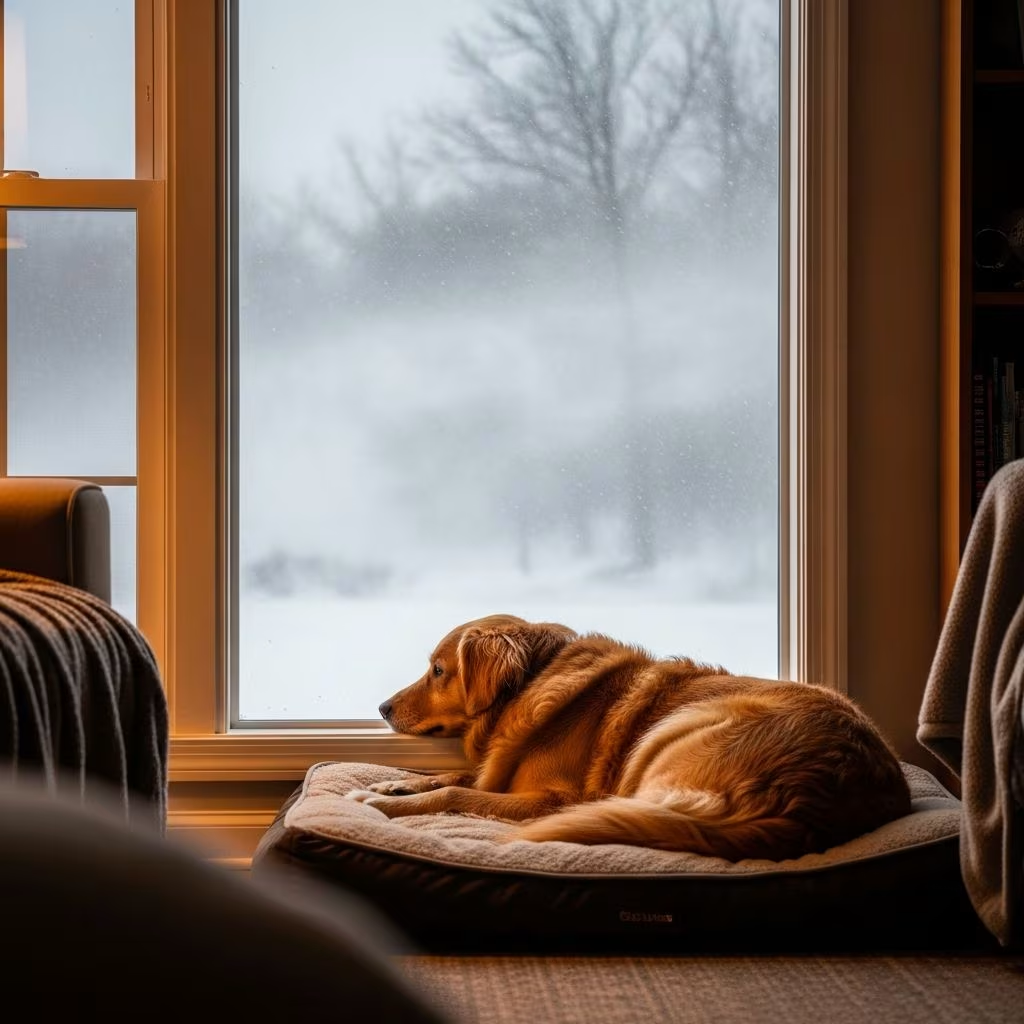
How to Keep Your Dog Safe During a Blizzard
Winter blizzards present significant challenges for dog owners, as extreme cold, heavy snow, and icy conditions can pose serious health risks to our canine companions. Frostbite and hypothermia are genuine threats when temperatures drop below 20°F, even for dogs with thick coats. Understanding how to prepare for winter weather and taking proactive steps before storm season arrives can mean the difference between a safe, comfortable winter and a dangerous health crisis. This comprehensive guide covers everything you need to know to keep your dog happy and healthy when blizzards strike.
Key Takeaways
- Stock up on winter essentials like pee pads, dog coats, and paw balm before the storm hits
- Limit outdoor walks during extreme cold and keep them short to protect your dog from frostbite and hypothermia
- Create a warm indoor space where your dog can rest comfortably away from drafts and cold floors
- Pay close attention to your dog’s paws, hydration, and comfort—winter weather can quickly take a toll
Have Pee Pads Ready to Go
One of the most practical preparations for blizzard season is having pee pads readily available at home. When severe weather makes outdoor potty breaks impossible or dangerous, indoor pee pads provide a necessary alternative that can reduce stress for both you and your dog. The risk of hypothermia and frostbite becomes substantial when outdoor temperatures fall below 20°F, making extended outdoor time inadvisable.
Stock your home with quality pee pads before winter arrives so you’re not scrambling during a storm. Keep them in a designated, easy-to-access location where your dog can quickly learn to use them. Establish a consistent routine by rewarding your dog when they use the pads appropriately. This positive reinforcement helps them understand that using pee pads indoors is acceptable behavior during severe weather conditions. Having this backup system in place removes the pressure of forcing your dog outside into dangerous conditions and provides peace of mind during extended blizzards.
Buy Snow Gear Ahead of Time
Snowstorms can strike with little warning, making advance preparation essential. Don’t wait until a blizzard is in the forecast to shop for winter gear—purchase supplies during milder months when inventory is abundant and you have time to help your dog acclimate to new items.
Dog Coats and Jackets
A well-fitting dog coat serves multiple protective functions during winter. Quality coats help retain body heat, keeping your dog’s core temperature regulated during cold weather exposure. Look for coats that combine multiple layers: a waterproof outer shell protects against snow and sleet, while an insulated lining traps warmth close to your dog’s body. Some premium options feature removable hoods for extra face and ear protection during particularly harsh conditions. Small, senior, and short-haired dogs benefit most from coats, though many dogs appreciate the added warmth during extreme cold.
Insulated Boots
Winter boots provide comprehensive paw protection by shielding sensitive paw pads from ice, snow, and de-icing chemicals. Choose boots with excellent traction to prevent slipping on icy surfaces, and prioritize waterproof materials so paws stay dry. Not every dog immediately accepts boots, so purchase them early and spend time helping your dog become comfortable wearing them indoors before attempting outdoor walks. Gradual acclimation makes the transition smoother and increases the likelihood your dog will tolerate boots during necessary outdoor time.
Take Care of Your Dog’s Paws
Dog paws are particularly vulnerable to winter’s harsh conditions. Ice, snow, salt, and freezing temperatures can quickly damage sensitive paw pads, causing pain, cracking, and potential infection. A multi-step paw care routine protects your dog’s feet and ensures comfortable mobility during cold months.
Pre-Walk Paw Protection
Before heading outside, apply a protective paw balm to create a barrier against irritants. These specialized products form a waterproof shield that prevents ice from clumping between toe pads and reduces contact with de-icing salts and chemicals. Popular options like Musher’s Secret Paw Protection have been trusted by dog owners and mushers for years. Apply balm generously to all paw pads and between the toes, allowing time for it to set before going outside.
Post-Walk Paw Cleaning
After outdoor time, gently wipe your dog’s paws clean using dog-safe wipes formulated to remove salt, snow, and chemicals without harsh chemicals. This simple step prevents your dog from ingesting harmful substances through their paws and reduces irritation. Thoroughly inspect paws for cracks, redness, or other signs of damage. If you notice irritation, apply a moisturizing paw balm to promote healing. For dogs with sensitive skin or existing paw issues, consult your veterinarian about specialized care protocols.
Create a Warm Space Indoors
Your dog needs a comfortable sanctuary where they can escape the cold and rest properly. Strategic placement and selection of bedding significantly impact your dog’s comfort and safety during winter.
Ideal Bed Placement
Position your dog’s bed away from drafty areas, doorways, and cold tile or hardwood floors. These locations lose heat rapidly and can make sleeping uncomfortable. Choose spots against insulated walls, away from windows, and in naturally warmer areas of your home. If your dog must sleep in a cooler room, place the bed on a raised platform that provides insulation from cold floors.
Bed Options for Winter
Upgrade to winter-appropriate bedding that prioritizes warmth and comfort. Orthopedic beds with thick, cushioned designs provide both support and insulation. Heated pet beds offer the ultimate comfort solution, using safe, thermostat-controlled heating elements to maintain warmth throughout the night. Follow manufacturer instructions carefully when using heated beds to ensure safe operation. Additionally, consider adding blankets or thermal layers to standard beds for extra warmth. The goal is creating a cozy retreat where your dog can rest comfortably and maintain healthy body temperature without constant shivering.
Additional Winter Safety Measures
Limit Outdoor Time and Keep Dogs on Leash
During blizzards, bathroom breaks should be quick and always supervised with your dog on a leash. Off-leash time should be eliminated entirely during severe weather, as heavy snow can disorient dogs and make them prone to getting lost. Dogs can wander further than they intend, becoming confused in whiteout conditions. Even brief outdoor exposure during extreme cold poses risks, so keep bathroom breaks under five minutes. If your dog enjoys playing in snow, allow supervised playtime only during milder winter days, limiting sessions to 30 minutes maximum depending on temperature and your individual dog’s tolerance.
Watch for Antifreeze and De-Icing Salts
Antifreeze is extremely toxic to dogs—even tiny amounts can cause serious illness or death. De-icing salts, while less immediately dangerous than antifreeze, burn paw pads and cause gastrointestinal upset if ingested. Use pet-friendly de-icing products on your property, but recognize that neighbors may not do the same. Boots remain the best protection when walking in areas where chemical de-icers have been applied. After walks, wash your dog’s paws thoroughly to remove any residual salt or chemicals.
Update Your Pet’s Identification
Dogs are significantly more likely to get lost during winter, especially during and after blizzards. Heavy snow obscures familiar landmarks and scents, confusing even well-trained dogs. Ensure your dog wears a collar with current ID tags displaying up-to-date phone numbers and address information. If your dog is microchipped, verify that your contact information is current in the microchip registry. Both forms of identification dramatically increase the chances of successful reunion if your dog becomes lost during severe weather.
Maintain Proper Hydration
Winter air is extremely dry, and indoor heating systems further dehydrate the air. Dogs need constant access to fresh, unfrozen water throughout winter. If your dog spends time outdoors, check their water bowl frequently to ensure it hasn’t frozen. Consider using heated water bowls outdoors to maintain liquid water availability. Some dogs drink less water in winter, so monitor consumption and encourage drinking by offering fresh water multiple times daily. Proper hydration supports overall health, immune function, and helps maintain healthy skin and coat during harsh weather.
Preparing Puppies and Senior Dogs
Puppies and senior dogs require special winter considerations, as they cannot regulate body temperature as efficiently as adult dogs. Puppies are still developing their thermoregulation capabilities, while senior dogs often experience diminished metabolic function and may suffer from arthritis exacerbated by cold weather.
Puppies and seniors should spend significantly less time outdoors in snow compared to adult dogs. Warm, waterproof dog jackets are recommended for both age groups. Keep outdoor sessions extremely brief, focusing only on necessary bathroom breaks. Provide extra indoor comfort with heated beds, and consider scheduling a preventive veterinary exam before winter arrives. Your vet can assess your senior dog for conditions like arthritis that worsen in cold weather and recommend appropriate management strategies.
Small Dog Winter Considerations
Small dogs face unique winter challenges because they’re much closer to the cold ground and can be buried up to their shoulders in snow. This proximity to cold surfaces causes them to lose body heat faster than medium or large dogs. Always ensure small dogs wear appropriate snow gear when venturing outdoors. Consider shoveling pathways through snow to make walking easier for your small dog and reduce snow exposure. Small breed puppies and seniors are particularly vulnerable and should have strictly limited outdoor time during extreme cold.
Frequently Asked Questions About Dogs and Winter
Q: At what temperature is it not safe for your dog to walk outdoors in the winter?
A: Most dogs can tolerate brief walks in temperatures above 20°F, but below that threshold, frostbite and hypothermia become serious risks. Use this as a general guideline: if it’s too cold for you to stay outside comfortably (excluding short bathroom breaks), it’s too cold for your dog. Individual dogs have different cold tolerances based on breed, coat type, age, and health status, so observe your dog for signs of cold discomfort like shivering, reluctance to move, or seeking shelter.
Q: Can dogs walk in the snow without shoes?
A: Some dogs with thick, naturally protective paw pads can walk briefly in snow without boots, but snow, ice, and salt quickly damage even hardy paw pads. Boots offer the best protection for all dogs. If your dog refuses to wear boots, paw balm provides a reasonable alternative by creating a protective barrier against ice and chemicals. However, boots remain the superior option for comprehensive paw protection during winter.
Q: Should I walk my dog when it’s below freezing?
A: Yes, you can walk your dog when it’s below freezing, but keep outings extremely brief and limited to supervised potty breaks. Ensure your dog is dressed warmly in appropriate winter gear. Longer recreational walks should wait for milder winter days when temperatures are closer to or above 20°F. Always prioritize your dog’s safety and comfort over exercise routines during extreme cold.
Q: How long can my dog safely play in the snow?
A: A good rule of thumb is no more than 30 minutes at a time for most adult dogs, though this depends heavily on outdoor temperature, your dog’s breed and coat type, and their individual cold tolerance. Start with shorter sessions and gradually increase duration as your dog acclimates to cold weather. Watch closely for signs of discomfort like shivering, reluctance to move, or seeking warmth. Puppies and senior dogs should have much shorter snow play sessions—typically 10-15 minutes maximum.
Q: What should I do if my dog gets too cold?
A: Bring your dog inside immediately and warm them gradually. Towel-dry their coat thoroughly to remove moisture. Provide access to a warm resting space like a heated bed and let them warm up naturally. Offer fresh water to drink. Monitor for signs of hypothermia including severe shivering, lethargy, or difficulty moving. If symptoms worsen or don’t improve within an hour, contact your veterinarian immediately as hypothermia requires professional medical intervention.
Winter Weather Essentials Checklist
Before blizzard season arrives, ensure you have these items on hand:
- Indoor pee pads and enzymatic cleaner for accidents
- Dog coats and sweaters in appropriate sizes
- Waterproof, insulated boots with good traction
- Protective paw balm and dog-safe cleaning wipes
- Orthopedic or heated dog bed for indoor comfort
- Fresh water bowls and heated water bowl for outdoor use
- Extra bedding and blankets for additional warmth
- Updated ID tags and current microchip registration
- Pet-friendly de-icing salt for your property
- First aid supplies for minor paw injuries
Final Winter Safety Reminders
Winter blizzards demand careful planning and constant vigilance to keep your dog safe. Start preparations now by purchasing necessary gear and establishing winter routines before severe weather arrives. Remember that individual dogs have varying cold tolerances based on age, breed, health status, and coat type—know your specific dog’s limits and adjust activities accordingly. Never force your dog to endure extreme cold, as the temporary inconvenience of using pee pads or rescheduling exercise is far preferable to treating frostbite or hypothermia. When in doubt about your dog’s safety or health during winter, contact your veterinarian for professional guidance. With proper preparation and attentive care, your dog can safely navigate even the harshest winter weather.
References
- How to Keep Your Dog Safe During a Blizzard — American Kennel Club. 2024. https://www.akc.org/expert-advice/lifestyle/how-to-keep-your-dog-safe-during-a-blizzard/
- Keep Your Pets Safe and Happy During a Blizzard — ASPCA. 2024. https://www.aspca.org/news/keep-your-pets-safe-and-happy-during-blizzard
- Dog Snow Safety 101 — Zoetis Petcare. 2024. https://www.zoetispetcare.com/blog/article/dog-snow-safety-101
- Cold weather animal safety — American Veterinary Medical Association. 2024. https://www.avma.org/resources-tools/pet-owners/petcare/cold-weather-animal-safety
- Winter Storm Preparedness: Keep Pets Safe as Snow Hits Region — Dayton Humane Society. November 2025. https://hsdayton.org/2025/11/winter-storm-preparedness-keep-pets-safe-as-snow-hits-region/



