

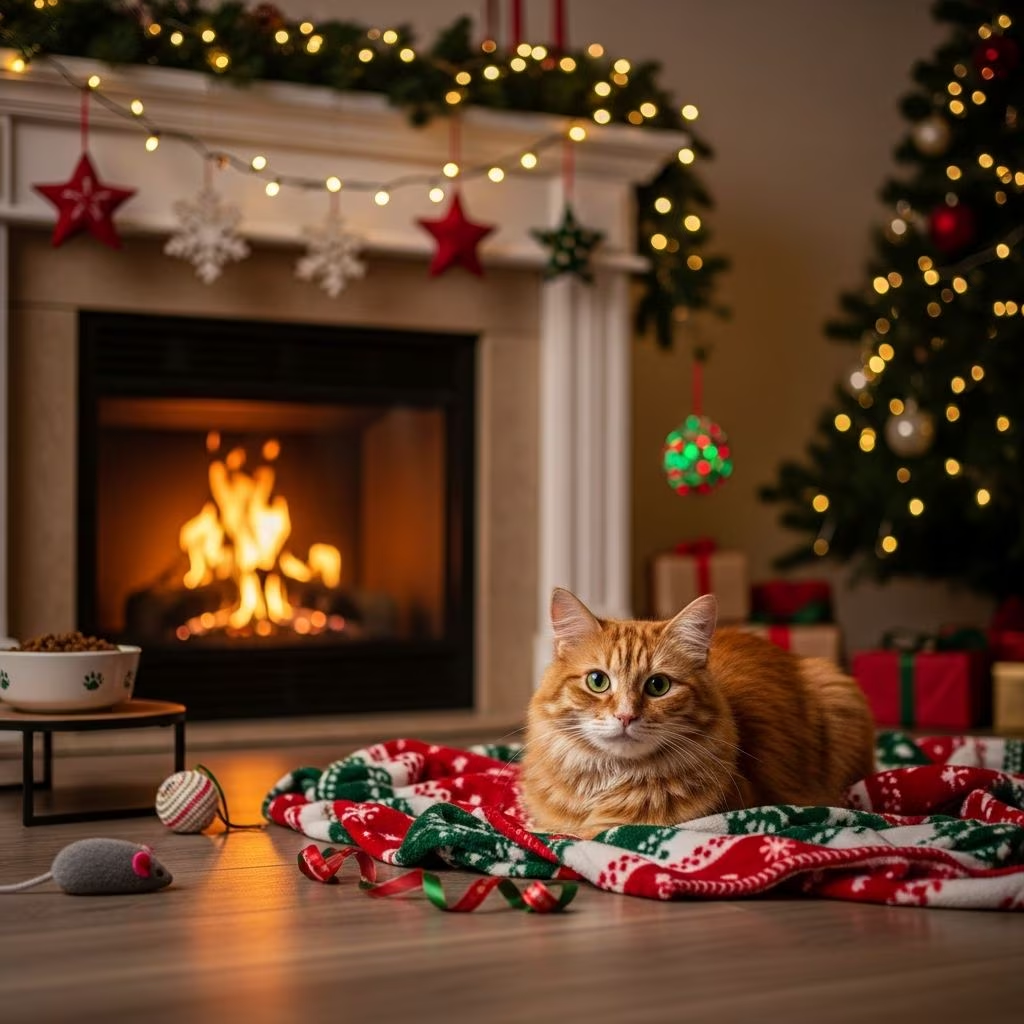
The festive season brings joy, twinkling lights, and delicious aromas throughout our homes—but it can also introduce numerous hazards for our feline companions. Cats are naturally curious creatures, and Christmas decorations, holiday foods, and seasonal plants can pose serious risks to their health and safety. Understanding these dangers and taking proactive steps to cat-proof your home is essential for ensuring your beloved pet has a safe and stress-free holiday season. This comprehensive guide covers everything you need to know to protect your cat during Christmas celebrations.
Cat-Proofing Your Christmas Tree
The Christmas tree is often the centerpiece of holiday decorations, but it can become a dangerous playground for cats. Whether you choose a real or artificial tree, securing and decorating it properly is crucial for your cat’s safety.
Securing the Tree
A sturdy, stable foundation is the first line of defense against tree-related accidents. Metal stands are more durable than plastic or wooden alternatives and provide better stability. Consider anchoring your tree to a wall or ceiling using fishing line and sturdy hooks—this prevents the tree from toppling over if your cat decides to climb it. Place the tree away from chairs, tables, and other furniture that your cat can use as a launching pad to reach higher branches.
Avoiding Tinsel and Reflective Ornaments
Tinsel may look festive and harmless, but it poses one of the most serious Christmas dangers for cats. If swallowed, tinsel can cause a blockage in the stomach and intestines, potentially requiring emergency surgery and, in severe cases, proving fatal. Similarly, shiny, reflective ornaments attract cats’ playful instincts. Instead of traditional glass ornaments, opt for wooden or plastic alternatives that won’t shatter if knocked down. Secure all ornaments tightly to branches using string or ribbon rather than loose hooks, and place decorations higher up the tree, away from curious paws.
Managing Pine Needles
Real Christmas trees shed needles throughout the season. These fallen needles can cause skin irritation, nausea, and intestinal obstruction if ingested by your cat. Regularly sweep up fallen needles and consider wrapping aluminum foil around the tree’s base—the crinkling sound and texture act as a natural deterrent to cats. Additionally, many commercial tree treatments and fertilizers can be toxic, so keep your cat away from the watering stand and ensure the water basin is covered or inaccessible.
Managing Holiday Decorations Safely
Beyond the tree itself, Christmas decorations throughout your home require careful consideration when you have a feline family member.
Snow Globes and Other Ornaments
Snow globes and similar water-filled decorations should never be placed where they can be easily knocked over and broken. Many snow globes contain ethylene glycol, also known as antifreeze, which is highly toxic to cats. Even a small amount can cause serious illness or death. Store these items securely on high shelves or in areas completely off-limits to your cat.
Electrical Lights and Cords
Christmas lights create a magical atmosphere, but electrical cords pose a significant electrocution hazard if chewed by your cat. Always switch lights off at the mains when you’re not around to supervise your pet. Battery-powered LED lights are a safer alternative to traditional electric lights, eliminating the risk of electrocution entirely. If you do use electric lights, cover any exposed wires with plastic or cardboard tubes to protect your cat from direct contact. Hang lights higher up on the tree rather than at lower levels where your cat can easily reach and chew them.
Securing Decorations
Secure all Christmas decorations as tightly as possible to prevent them from being easily knocked off by a playful tap of your cat’s paw. Loose, dangling decorations are irresistible to cats and can result in broken ornaments, injuries from sharp edges, or ingestion of dangerous materials. Consider using tree skirts to cover the base and prevent your cat from accessing the tree water.
Holiday Plants and Toxic Substances
Many traditional Christmas plants and decorative items are toxic to cats and should be avoided or kept completely out of reach.
Poisonous Plants to Avoid
Poinsettias and mistletoe are popular Christmas decorations but can be harmful to cats if ingested. Lilies are particularly dangerous and can cause kidney failure. Opt for cat-safe alternatives like spider plants, African violets, or Boston ferns instead. If you do bring potentially toxic plants into your home, place them in elevated areas where your cat cannot access them.
Candles and Open Flames
Festive candles and fireplaces create ambiance, but they pose burn and fire hazards to your curious cat. Never leave lit candles unattended, as cats can easily knock them over with their tails, causing burns or starting a fire. Battery-powered candles provide a safer aesthetic alternative without the risk. If you use a fireplace, always place a protective barrier in front to prevent your cat from accessing the flames or getting singed by the heat.
Holiday Foods to Avoid
The festive season brings special treats and delicious foods, but many traditional holiday fare is dangerous for cats. Keep these items strictly away from your feline friend:
- Chocolate: Contains theobromine, which is toxic to cats and can cause vomiting, diarrhea, and heart problems
- Alcohol: Even small amounts can cause intoxication, low blood sugar, and respiratory depression in cats
- Grapes and raisins: Can cause kidney failure in cats, even in small quantities
- Onions and chives: Damage red blood cells and can cause hemolytic anemia
- Yeast dough: Can expand in the stomach and cause blockages or bloating
- Milk and dairy: Despite popular belief, adult cats are lactose intolerant and should not consume milk or cream
Store all holiday treats securely, and remind guests not to feed your cat table scraps or special Christmas foods. Keep cookies, candy, and other tempting foods out of reach, especially during parties and gatherings.
Reducing Holiday Stress for Your Cat
Christmas brings increased activity, visitors, and changes to the home environment—all of which can stress even the most social cat. Taking steps to minimize anxiety helps ensure your cat’s emotional well-being during the holidays.
Creating Safe Spaces
Set up a quiet, comfortable room where your cat can retreat when feeling overwhelmed. This space should include all essentials: food and water bowls, a litter tray, cozy blankets, and familiar toys. Allow your cat to withdraw when needed, and respect their need for solitude away from guests and holiday chaos. Provide multiple litter trays in peaceful areas, as changes in urination patterns can signal stress-related issues like cystitis.
Maintaining Routines
Cats thrive on routine and predictability. During the holiday season, maintain regular feeding times, play sessions, and sleeping patterns as much as possible. Avoid excessive cleaning and rearrangement of furniture, which can disturb your cat’s important scent markings and increase nervousness. If you have other animals visiting your home, keep them separated from your cat to reduce territorial stress.
Using Calming Aids
Several safe, veterinarian-approved products can help ease holiday anxiety in cats. Feliway diffusers release synthetic pheromones that have a naturally calming effect. Supplements like Zylkene or L-theanine (brand name Anxitane) can help reduce stress without causing drowsiness. Discuss these options with your veterinarian to determine which might be suitable for your cat.
Providing Extra Attention
Spend quality time with your cat during the holidays. Extra cuddles, playtime, and attention help reassure them and strengthen your bond. Engage them with their favorite toys and games away from the tree and decorations, providing positive outlets for their energy and curiosity.
General Holiday Safety Checklist
| Safety Category | Action Items |
|---|---|
| Christmas Tree | Secure with sturdy stand; anchor to wall; use heavy base; avoid tinsel; wrap base with foil |
| Decorations | Use plastic ornaments; secure tightly; keep snow globes out of reach; cover tree water |
| Electrical Safety | Use battery-powered lights; cover cords; unplug lights when unsupervised |
| Plants & Candles | Avoid toxic plants; use battery candles; keep fireplace covered |
| Food Safety | Hide chocolate, alcohol, grapes, onions, and yeast; store treats securely |
| Stress Management | Create quiet spaces; maintain routines; use calming products; provide extra attention |
Frequently Asked Questions
Q: Can I put a real Christmas tree in my home if I have a cat?
A: Yes, you can have a real tree with a cat, but it requires extra precautions. Secure it with a sturdy, heavy-based stand or anchor it to a wall with fishing line. Cover the tree water to prevent ingestion of harmful sap and fertilizers, and regularly sweep up fallen needles to prevent intestinal blockages.
Q: What should I do if my cat climbs the Christmas tree?
A: If your cat climbs the tree, ensure it won’t topple over by using a weighted stand and anchoring it securely. Wrap aluminum foil around the base as a deterrent. If your cat continues to climb despite these measures, consider shutting them out of the room when you’re not supervising.
Q: Are battery-powered lights safer than electric lights for cats?
A: Yes, battery-powered LED lights eliminate the risk of electrocution if your cat chews on the cords. They’re a safer alternative to traditional electric lights and still provide festive illumination.
Q: How can I tell if my cat is stressed during the holidays?
A: Signs of stress in cats include hiding, changes in appetite or litter box habits, excessive grooming, or aggression. Provide a quiet retreat space, maintain regular routines, and consult your veterinarian if stress-related behavioral changes persist.
Q: What toxic Christmas plants should I absolutely avoid?
A: Avoid lilies (especially deadly to cats), poinsettias, mistletoe, and ivy. If you bring any potentially toxic plants into your home, place them in areas your cat cannot access, such as high shelves or closed rooms.
Q: Is it safe to give my cat milk during Christmas dinner?
A: No. Despite popular belief, adult cats are lactose intolerant and cannot digest milk properly. Offering milk can cause digestive upset. Stick to cat-appropriate foods and treats instead.
References
- Keep Your Cat Safe at Christmas — Blue Cross. 2024. https://www.bluecross.org.uk/advice/cat/health-and-injuries/keeping-your-cat-safe-at-christmas
- 5 Christmas Safety Tips for Cat Parents — Four Paws. 2024. https://www.fourpaws.com/pets-101/cat-corner/christmas-safety-tips-for-cats
- The Ugly Truth About Cats and Christmas Trees Plus More Holiday Tips — Jackson Galaxy. 2024. https://www.jacksongalaxy.com/blogs/news/the-ugly-truth-about-cats-and-christmas-trees-plus-more-holiday-tips
- Holiday Safety Tips for Cat Owners — VCA Animal Hospitals. 2024. https://vcahospitals.com/know-your-pet/household-hazards—holiday-safety-tips-for-cat-owners
- Christmas Holiday Dangers for Pets — Best Friends Animal Society. 2024. https://bestfriends.org/pet-care-resources/christmas-holiday-dangers-pets



