

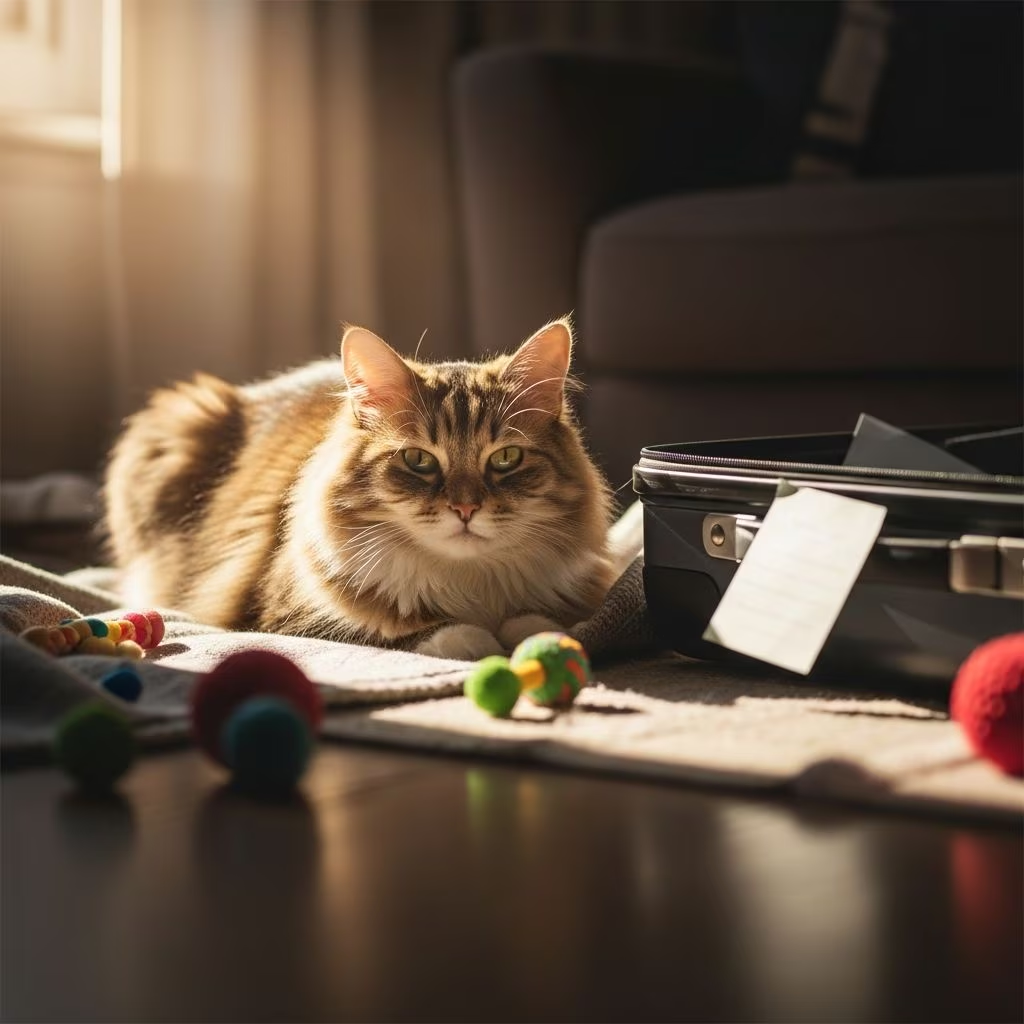
Cats are independent creatures, but prolonged absences can lead to boredom, stress, or separation anxiety. Providing the right setup ensures your feline friend stays happy, healthy, and engaged. This guide covers eight practical, vet-approved strategies to enrich your cat’s environment and routine while you’re out.
The 8 Tips on How to Keep Your Cat Happy While You’re Away
Maintaining your cat’s well-being during your absence starts with addressing their basic needs and adding layers of mental and physical stimulation. Cats thrive on routine, cleanliness, and opportunities to express natural behaviors like hunting, climbing, and exploring. Implementing these tips can prevent issues like destructive scratching or excessive meowing.
1. Clean the Litter Boxes
A clean litter box is non-negotiable for your cat’s comfort and health. Cats are fastidious and may avoid soiled boxes, leading to accidents elsewhere in the house. Scoop litter boxes at least once daily and perform a full clean weekly with mild soap and water. For multi-cat homes, follow the rule of one box per cat plus one extra. Use clumping litter for easy maintenance and consider automatic litter boxes for longer absences, but monitor for reliability.
Dirty litter can signal stress or illness, so consistent hygiene promotes urinary health and reduces anxiety. Place boxes in quiet, accessible spots away from food and water. If you’re away overnight, ask a trusted neighbor or sitter to check them.
2. Provide Puzzles and Games
Interactive toys tap into your cat’s hunting instincts, keeping them mentally sharp and physically active. Puzzle feeders dispense treats or kibble as cats bat, paw, or solve mechanisms, mimicking foraging. Start with simple designs and progress to complex ones to build problem-solving skills.
- Examples: Treat balls, hidden compartment feeders, or DIY versions using muffin tins with ping-pong balls.
- Benefits: Slows eating, prevents obesity, and provides hours of engagement.
- Tip: Rotate toys weekly to maintain novelty and prevent boredom.
Ensure toys are durable and free of small parts that could be swallowed. Supervise initial use to teach your cat how they work.
3. Establish a “Cat Zone”
Create a dedicated, safe space stocked with essentials: food, water, litter, bedding, toys, and scratching posts. This zone offers security during your absence, especially for anxious cats. Use a spare room or enclosed area with window access for bird-watching.
Key elements:
- Cozy beds or heated pads for comfort.
- Scratching posts and climbing trees for physical activity.
- Window perches or suction-cup seats for entertainment.
For extended stays, install a pet camera to monitor and interact remotely via apps with treat dispensers or laser pointers.
4. Leave on Soft Music or White Noise
Background sounds combat loneliness by masking household noises and providing soothing company. Classical music, nature sounds, or cat-specific playlists reduce stress hormones, as shown in studies on feline anxiety.
- Recommendations: Low-volume playlists with purring or birdsong.
- Devices: Smart speakers with timers or battery-operated players.
- Avoid: Sudden loud noises that could startle.
Test volumes beforehand to ensure they’re calming, not overwhelming. This simple addition can significantly lower separation distress.
5. Use Calming Products
Synthetic pheromone diffusers like Feliway mimic comforting scents from nursing mothers, easing anxiety. Plug them into the cat zone outlet days before leaving to build familiarity.
Other options:
| Product Type | Benefits | Usage |
|---|---|---|
| Pheromone Diffusers | Reduces stress marking and vocalization | Plug-in, continuous release |
| Calming Collars/Sprays | Portable anxiety relief | Apply to bedding or collar |
| Herbal Supplements | Natural relaxation (consult vet) | Mix in food |
Always vet-check for interactions with health conditions.
6. Install a Pet Camera
Modern pet cams offer two-way audio, night vision, and automated treats or toys, letting you check in anytime. Brands with wide-angle lenses and app integration provide peace of mind.
Features to prioritize:
- HD video and motion alerts.
- Treat dispensing for positive reinforcement.
- Interactive laser or feather toys.
Position high to avoid tampering. Use for short trips initially to gauge your cat’s response.
7. Try Cat TV
Videos of birds, fish, or rodents captivate cats, stimulating their predatory drive. Free YouTube channels or DVDs on loop keep them occupied for hours.
- Setup: Tablet or TV on a stable perch, volume low.
- Duration: 4-8 hour compilations.
- Bonus: Combines with window views for multi-sensory fun.
Refresh content periodically to sustain interest. This low-cost option excels for visual hunters.
8. Hire a Pet Sitter or Board Your Cat
For absences over 24-48 hours, professional care is safest. Sitters visit 1-3 times daily for feeding, play, and litter scooping. Boarding facilities offer socialization if your cat enjoys company.
Choosing providers:
- Credentials: Bonded, insured, cat-specific experience.
- Trials: Test visits beforehand.
- Alternatives: Friends or family with cat knowledge.
Leave detailed instructions on routines, diet, and meds. Cats tolerate 24 hours alone max; kittens and seniors need more frequent checks.
Additional Enrichment Ideas
Beyond the core tips, rotate these for variety:
- Climbing Structures: Cat trees or wall shelves for vertical territory.
- Sensory Stimulation: Catnip toys, silvervine, or scent games.
- Safe Outdoor Access: Catio enclosures for nature without risks.
- Play Sessions: Daily 10-15 minute hunts pre-absence.
Monitor for signs of distress like over-grooming or appetite loss, and adjust accordingly.
Frequently Asked Questions (FAQs)
Q: How long can I safely leave my cat alone?
A: Most adult cats manage 24-48 hours with proper setup; kittens, seniors, or anxious cats need daily checks. Provide ample food, water, and litter.
Q: What are signs of separation anxiety in cats?
A: Excessive meowing, destructive behavior, appetite changes, or inappropriate elimination. Address with enrichment and calming aids.
Q: Are puzzle feeders suitable for all cats?
A: Yes, but introduce gradually. They suit all ages and help with boredom and weight management.
Q: Can music really calm my cat?
A: Yes, soft sounds lower stress; cat-specific tracks are most effective.
Q: Is boarding better than a pet sitter?
A: Depends on your cat—home sitters preserve routine, boarding offers supervision but may stress shy cats.
References
- How Long Can You Safely Leave Your Cat Alone? Vet Approved — Catster. 2024. https://www.catster.com/cat-health-care/how-long-can-you-leave-your-cat-alone/
- How to Keep Your Cat Happy While You’re Away — Catster. 2024. https://www.catster.com/lifestyle/how-to-keep-your-cat-happy-when-youre-away-from-home/
- How to Make Your Cat Happy: 22 Effective Vet-Verified Ways — Catster. 2024. https://www.catster.com/cat-health-care/how-to-make-your-cat-happy/
- How to Make a Cat Feel Comfortable in a New Home — Catster. 2024. https://www.catster.com/lifestyle/how-to-make-a-cat-feel-comfortable-in-a-new-home/
- 7 Simple Ways to Keep Your Indoor Cat Active, Curious, and Calm — Catster. 2024. https://www.catster.com/lifestyle/ways-to-keep-your-indoor-cat-active/



