

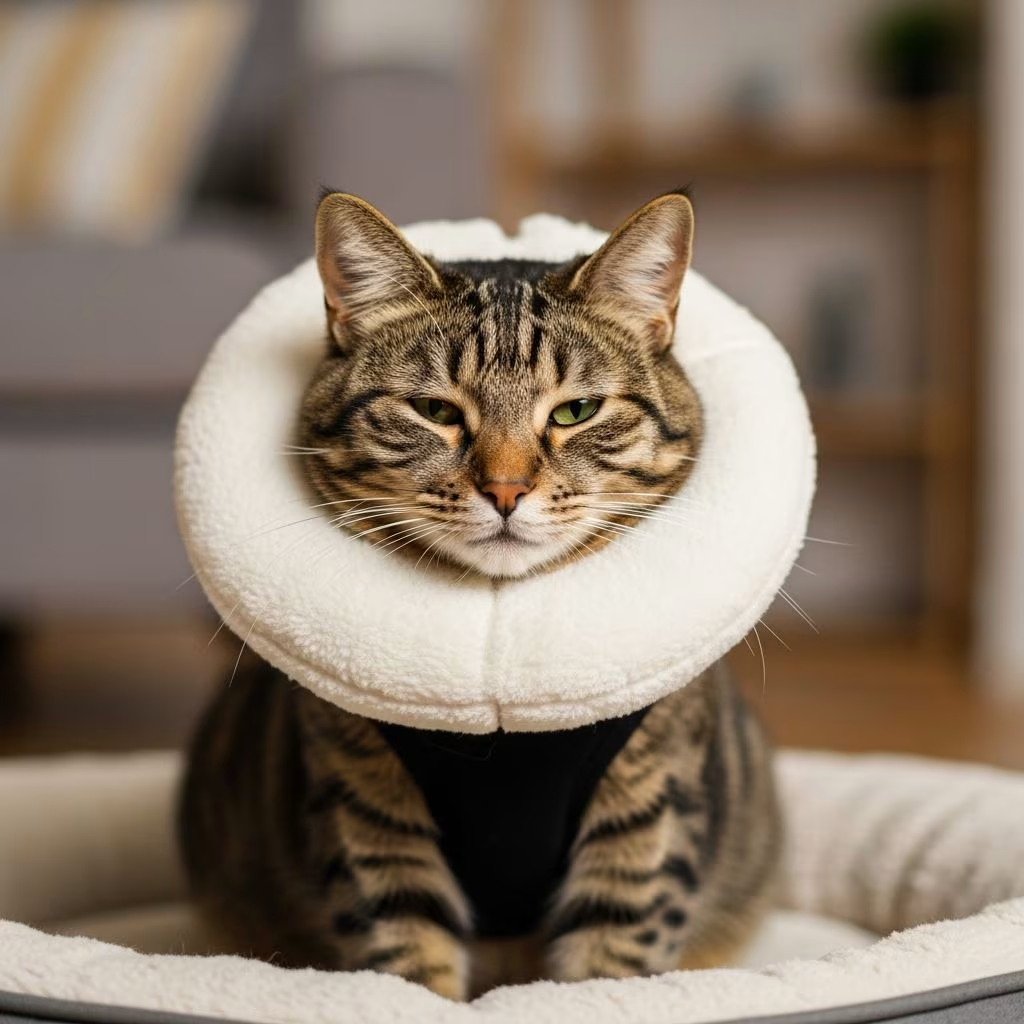
Cats possess an innate agility that drives them to leap onto counters, windowsills, and furniture with ease. However, following surgery, this natural behavior can jeopardize their recovery by straining incisions or causing complications. Restricting jumping is crucial for 7–10 days post-procedure to allow proper healing, as sudden movements may reopen stitches or lead to swelling. This comprehensive guide outlines effective strategies to create a safe environment, manage energy, and facilitate a smooth return to normalcy, drawing from veterinary recommendations.
Why Preventing Jumping Is Crucial After Surgery
Post-surgical recovery demands limited activity because cats lack the comprehension to self-regulate rest. A single jump can exert undue pressure on healing tissues, potentially disrupting stitches, increasing infection risk, or prolonging recovery. Veterinary guidelines typically advise restricting running, jumping, and strenuous activity for at least 7–10 days, with some procedures requiring up to two weeks. By preventing these actions, owners minimize complications like dehiscence (wound reopening) and ensure faster healing, ultimately reducing veterinary follow-up needs.
Creating a controlled space not only protects the incision but also alleviates owner stress, allowing focus on monitoring progress. Indoor confinement suffices for most cats during this period, as outdoor access heightens jumping temptations and injury risks.
Setting Up a Safe Recovery Environment
The foundation of successful post-op care lies in modifying the home to eliminate jumping opportunities. Start by confining your cat to a small, secure room or area devoid of high surfaces, such as a bathroom, laundry room, or spare bedroom equipped with essentials: food, water, litter box, and bedding.
Limiting Access to High Furniture and Perches
- Remove or block climbing structures: Lay cat trees on their side, cover them with blankets, or dismantle temporarily to deter access.
- Secure counters and tables: Use aluminum foil, double-sided tape, or citrus sprays (cats dislike these textures/scents) on kitchen surfaces if your cat is a counter jumper.
- Bedroom adjustments: Move the mattress to the floor or use a baby gate to block bed access, keeping your cat close without elevation risks.
- Window and door blocks: Install baby gates at doorways and cover tempting windowsills with temporary barriers.
These modifications transform the home into a low-risk zone, preventing instinctive leaps while maintaining familiarity.
Using a Large Dog Crate for Confinement
For high-energy cats or multi-pet households, a spacious dog crate (minimum 42 inches long) serves as an ideal recovery hub. Line it with soft bedding, include a low litter box, food/water stations, and toys to promote comfort without space for momentum-building jumps. Introduce the crate pre-surgery for positive association, using treats and play. Limit crating to 8–12 hours daily with supervised breaks, monitoring for stress. Consult your vet before extended use, as it’s not suitable long-term but effective short-term.
| Pros of Crate Rest | Cons of Crate Rest |
|---|---|
| Prevents all jumping; easy monitoring | May cause boredom if not enriched |
| Portable for vet visits | Not ideal for anxious cats |
| Protects from other pets/kids | Requires frequent cleaning |
Distraction Techniques to Curb Restlessness
Boredom fuels jumping attempts, so redirect energy with low-impact enrichments. Puzzle feeders dispense treats slowly, engaging their hunting instincts without physical exertion. Interactive toys like feather wands or laser pointers (used gently from ground level) provide mental stimulation during short, supervised sessions.
- Rotate toys daily to maintain novelty.
- Use clicker training for spot training: Reward calm behavior in the recovery area with treats.
- Avoid rough play that encourages leaping.
These methods keep cats mentally satisfied, reducing escape-driven jumps.
Creating a Comfortable Resting Space
A dedicated recovery zone fosters security. Place familiar items like your worn clothing, favorite blankets, and soft toys inside to mimic their scent and reduce anxiety. Ensure the space is quiet, dimly lit, and at a comfortable temperature (around 75°F). Multiple low-sided beds allow position changes without strain.
Enhancing Comfort and Familiarity
Gently brush your cat (avoiding the incision) or offer soothing pheromone diffusers like Feliway to promote relaxation. Proximity to family members calms without overstimulating.
Managing Energy Levels During Recovery
Restless cats need balanced stimulation. Spend quality time sitting nearby, speaking softly, or offering gentle pets to combat isolation.
Maintaining a Calm Home Environment
Minimize stressors: Isolate from boisterous children/pets, lower noise levels, and limit visitors. A serene atmosphere discourages startled jumps. Keep other animals separated to prevent play-chasing.
Owner Vigilance and Monitoring
Constant supervision is paramount—observe for jumping cues like tail twitching or crouching, intervening with calm redirection. Check incisions twice daily for redness, swelling, or discharge, contacting your vet immediately if issues arise. Use a baby monitor for remote oversight.
Gradual Return to Normal Activity
Rush not the process; follow vet clearance timelines (typically 7–14 days). Begin with supervised 10–15 minute explorations in low-furniture areas, gradually expanding.
Controlled Access to Furniture
- Provide step stools or low perches for assisted access.
- Reintroduce one room at a time under watch.
Rebuilding Confidence Safely
Encourage gentle stretching with floor toys, monitoring for limping or discomfort. Full activity resumes only post-vet approval, often after stitch removal.
Frequently Asked Questions (FAQs)
How long should I restrict my cat’s jumping after surgery?
Typically 7–10 days for most procedures, but follow your vet’s specific instructions based on surgery type.
Is crating necessary for cat recovery?
Not always, but recommended for active cats or to prevent unsupervised jumping; discuss with your vet.
What if my cat won’t stay in a small room?
Use distractions, familiarity items, and short supervised outs to build tolerance.
Can I let my cat outside during recovery?
No—keep indoors to monitor healing and avoid external jumping risks.
What signs indicate recovery complications?
Excessive licking, swelling, lethargy, or incision discharge—contact your vet promptly.
References
- Post-Operative Instructions in Cats — VCA Animal Hospitals. 2023. https://vcahospitals.com/know-your-pet/post-operative-instructions-in-cats
- How to Keep Your Cat from Jumping After Surgery — TVES Vet Blog. 2024. https://tves.vet/blog/how-to-keep-your-cat-from-jumping-after-surgery/
- How to keep your cat from jumping after surgery — Deer Park Vets. 2022-02-28. https://www.deerparkvet.com/site/blog/2022/02/28/keep-cat-from-jumping
- 9 Ways To Keep Your Cat From Jumping After Surgery — Rover.com (vet-reviewed). 2023. https://www.rover.com/blog/how-to-keep-your-cat-from-jumping-after-surgery/



