

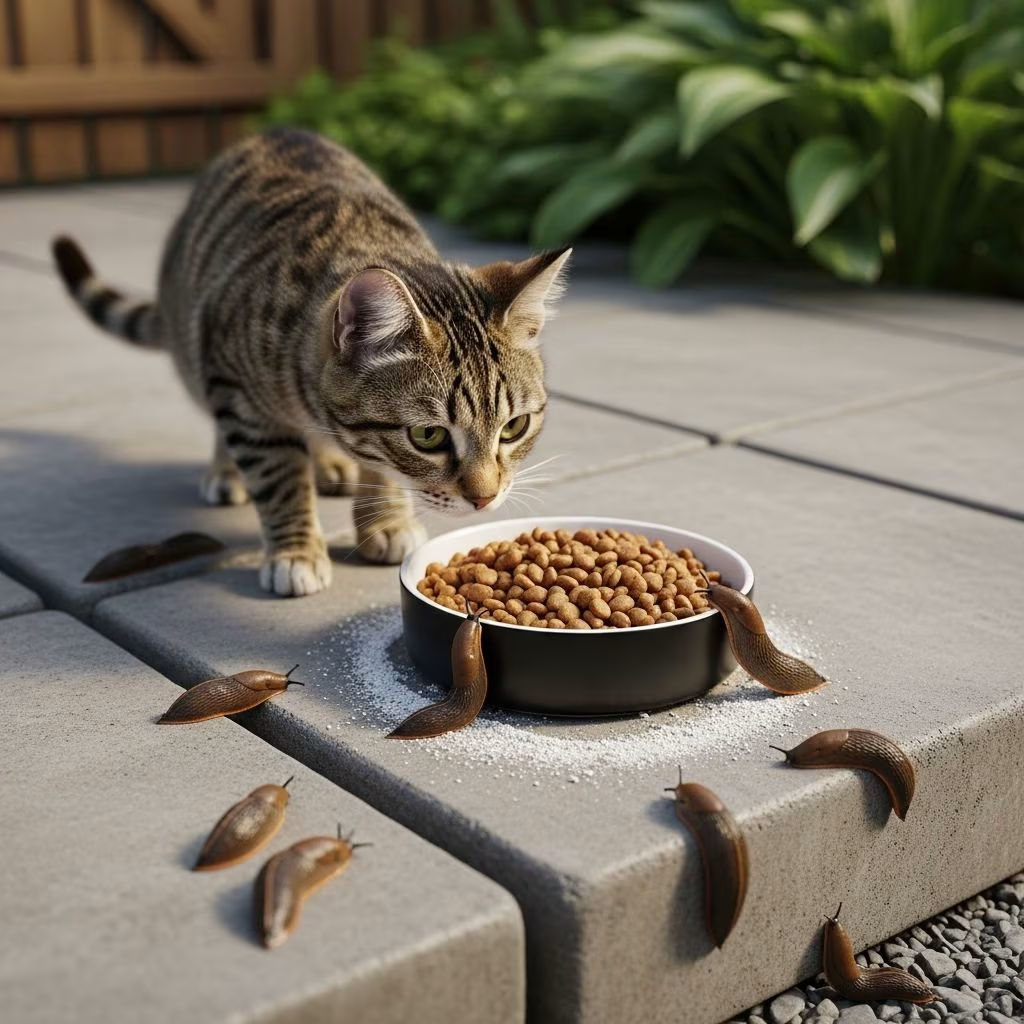
If your cat enjoys outdoor time in the backyard, leaving food out can quickly attract slugs, those slimy garden dwellers with a taste for pet kibble. Slugs thrive on moist organic matter, turning your cat’s bowl into an unintended buffet. Fortunately, vet-approved methods exist to deter them without harming your pet or the environment. These strategies focus on cleanliness, physical barriers, and natural controls to safeguard your cat’s meals.
The 7 Ways to Keep Slugs Away From Cat Food
Implementing simple changes around your cat’s feeding area can significantly reduce slug invasions. Below are seven practical, effective tips drawn from veterinary recommendations and proven pest management practices.
1. Wash the Bowls
Slugs are drawn to decaying organic residue, and uneaten cat food left in bowls creates the perfect breeding ground for bacteria and pests. Food particles ferment quickly in warm, humid conditions, emitting odors that lure slugs from afar.
To combat this, wash your cat’s bowls thoroughly with hot soapy water after every use. Opt for materials like stainless steel or ceramic, which resist odor retention better than plastic. Dry the bowls completely before refilling to eliminate moisture, a key slug attractant. This routine not only repels slugs but also prevents bacterial growth that could harm your cat’s health. Aim to feed only what your cat can finish in one sitting, ideally within 15-30 minutes, to minimize leftovers.
2. Use Copper Tape
Copper tape offers a clever, non-toxic barrier against slugs. When slugs contact copper, it triggers a mild electric reaction due to the metal reacting with their slime, producing a harmless but uncomfortable shock that sends them retreating.
Apply self-adhesive copper tape around the rim and base of your cat’s bowl. It’s widely available at garden centers, inexpensive, and safe for pets. For best results, ensure the tape is at least 2 inches wide and clean the bowl surface beforehand for strong adhesion. This method preserves garden biodiversity since it doesn’t kill slugs outright, allowing them to thrive elsewhere.
3. Put Your Cat’s Bowl in the Water
Slugs prefer damp paths but dislike crossing open water. Creating a ‘moat’ around your cat’s bowl exploits this aversion effectively.
Place the food bowl inside a larger, shallow dish or tray filled with 1-2 inches of water. Position it stably to prevent spills, and refresh the water daily to avoid stagnation. This simple setup forms an impenetrable barrier for most slugs, keeping your cat’s food accessible yet protected. For added stability, use a hanging feeder or elevate the moat on bricks if your yard floods easily.
4. Use Vaseline
A slick layer of petroleum jelly, like Vaseline, turns your cat’s bowl into a slippery slope for slugs. They struggle to grip the greasy surface, sliding off before reaching the food.
Apply a generous ring of Vaseline around the bowl’s exterior, focusing on the sides and rim. Reapply after rain or cleaning, as it washes off easily. Vaseline is pet-safe—even if your cat licks a bit, it’s non-toxic in small amounts. Combine this with bowl washing for layered defense. Avoid interior application to prevent food contamination.
5. Encourage Natural Predators to Come By
Slugs have a roster of natural enemies, including birds like magpies and blackbirds, hedgehogs, toads, and ground beetles. Inviting these predators to your yard provides sustainable, chemical-free control.
Set up bird feeders or baths away from the cat’s bowl to draw feathered hunters. Create hedgehog-friendly habitats with log piles or leaf litter in garden corners. Clean up food spills promptly to avoid attracting predators to the eating area itself, which could stress your cat. This eco-friendly approach supports local wildlife while curbing slug populations naturally. In urban areas, install toad houses or beetle banks for enhanced results.
6. Move Slug-Attracting Plants to Containers
Slugs flock to gardens rich in their favorite plants, increasing local populations that then target cat food. Common culprits include hostas, dahlias, tulips, lettuce, beans, and peas.
Relocate these to elevated pots placed in saucers of water, mimicking the moat technique. This starves slugs of primary food sources, reducing their numbers near your cat’s bowl. Choose slug-resistant plants like lavender, rosemary, or ferns for ground beds. Mulch with sharp gravel or crushed eggshells around non-container plants to further deter crawling. Regular garden audits help maintain low slug pressure.
7. Be Thoughtful About Using Slug Pellets
Chemical slug pellets promise quick results but pose serious risks. Many contain metaldehyde or other toxins lethal to cats, birds, hedgehogs, and pets that ingest poisoned slugs.
These poisons bioaccumulate in the food chain, harming non-target wildlife essential for ecosystem balance. Slugs aid decomposition, so eradicating them disrupts soil health. Reserve pellets for dire infestations, choosing pet-safe, iron phosphate-based options sparingly. Always read labels, apply in bait stations, and remove uneaten pellets. Prioritize the above non-toxic methods for long-term, safe control.
Why Slugs Love Cat Food
Cat food, especially wet varieties or kibble softened by moisture, mimics slugs’ ideal meal: protein-rich, soft, and damp. Outdoor bowls in shaded, humid spots amplify appeal. Slugs detect food via chemoreceptors, traveling impressive distances overnight. Understanding this helps tailor prevention—disrupt scent trails with cleanliness and barriers.
Health Risks of Slugs Around Cat Food
Beyond annoyance, slugs introduce risks. They carry parasites like lungworm, transmissible if cats eat them, causing respiratory issues. Contaminated bowls spread bacteria such as salmonella. Slug slime harbors pathogens, potentially irritating your cat’s paws or mouth. Prompt deterrence protects feline health.
| Method | Effectiveness | Cost | Pet Safety | Eco-Friendliness |
|---|---|---|---|---|
| Wash Bowls | High | Low | High | High |
| Copper Tape | Medium-High | Low | High | High |
| Water Moat | High | Low | High | High |
| Vaseline | Medium | Low | High | High |
| Natural Predators | Medium | Low | High | Very High |
| Container Plants | Medium | Medium | High | High |
| Slug Pellets | High | Medium | Low | Low |
Frequently Asked Questions (FAQs)
What attracts slugs to cat food bowls?
Slugs are lured by the moisture, protein, and organic scent of cat food, especially leftovers that decompose in damp outdoor conditions.
Are copper tape and Vaseline safe for cats?
Yes, both are non-toxic. Copper provides a mild shock to slugs only, and Vaseline is harmless if licked in small amounts.
Can cats get sick from slugs?
Yes, slugs may carry lungworm or bacteria, leading to infections. Prevent by deterring slugs and supervising outdoor cats.
How often should I clean outdoor cat bowls?
After every meal, using hot soapy water, and dry thoroughly to eliminate attractants.
Are there natural ways to reduce slugs without chemicals?
Absolutely—use barriers, encourage predators, and manage garden plants as outlined in the tips above.
References
- Slug Control — Pacific Northwest Pest Management Handbooks, Oregon State University. 2025-06-15. https://pnwhandbooks.org/insect/ipm/slug
- Slugs as Pests — Royal Horticultural Society (RHS). 2024-10-01. https://www.rhs.org.uk/biodiversity/slugs
- Garden Slugs and Snails — University of California Agriculture and Natural Resources. 2023-05-20. https://ipm.ucanr.edu/PMG/PESTNOTES/pn7427.html
- Integrated Pest Management for Slugs — USDA National Institute of Food and Agriculture. 2024-03-12. https://www.nifa.usda.gov/topics/integrated-pest-management
- Non-Chemical Slug Control Methods — Cornell University Cooperative Extension. 2025-01-10. https://cals.cornell.edu/pest-management



