

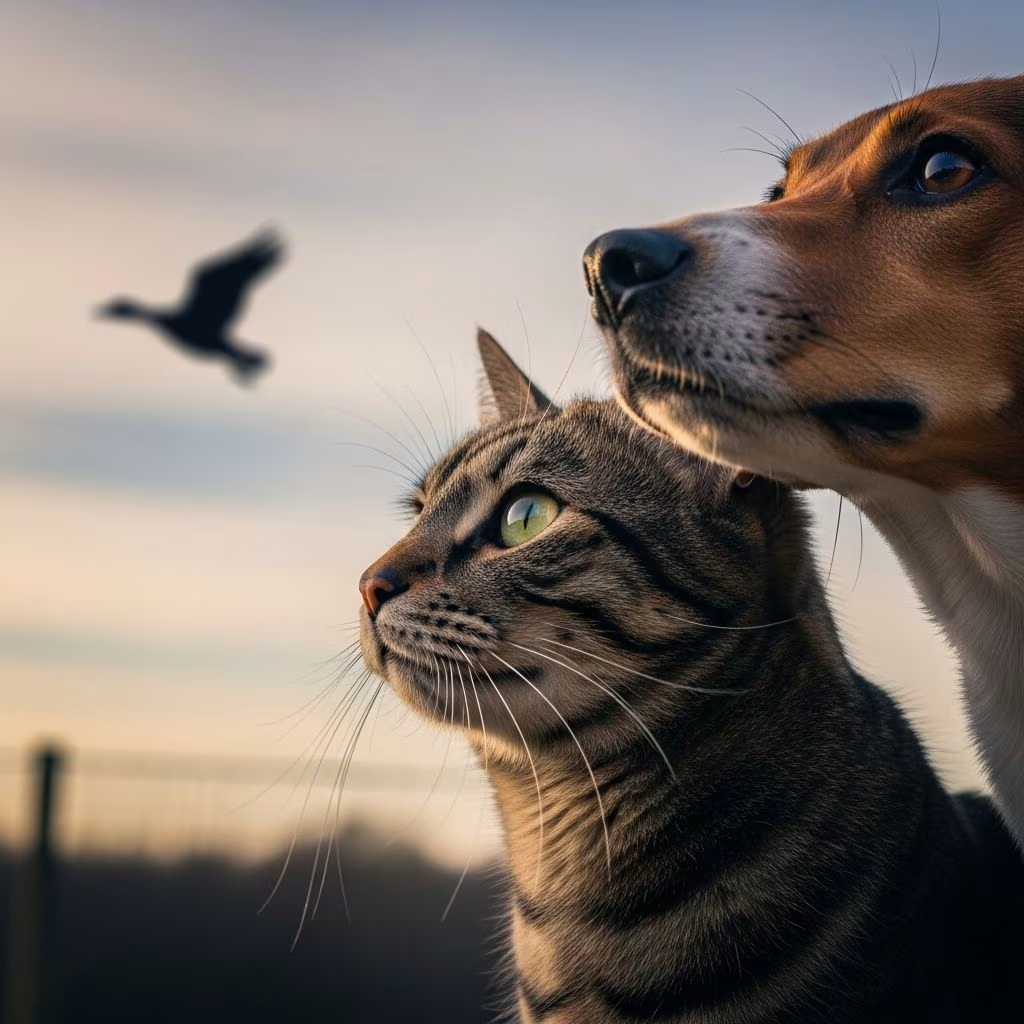
Bird flu, or avian influenza (H5N1), poses emerging risks to household pets, particularly cats and dogs, amid widespread outbreaks in wild birds and poultry as of 2026. While human cases remain sporadic, pets that hunt, scavenge, or consume raw poultry face heightened dangers, with cats showing greater susceptibility. This comprehensive guide outlines symptoms, risk factors, prevention measures, and expert advice to protect your furry companions.
What Is Bird Flu and Why Does It Affect Pets?
Avian influenza, commonly known as bird flu, refers to influenza A viruses like H5N1 that primarily infect birds but can spill over to mammals, including pets. The current highly pathogenic strain (HPAI H5N1) has caused massive outbreaks in wild birds, poultry, dairy cows, and even marine mammals since 2022, with ongoing monitoring into 2026. Pets become infected mainly through direct contact with infected birds, their feces, or contaminated environments, or by ingesting raw/undercooked poultry or unpasteurized dairy.
Cats appear especially vulnerable, with documented cases of severe illness and death from eating infected birds or raw pet food, while dog infections are rarer but possible in scavenging breeds. Scientists warn the virus is evolving, potentially increasing mammal transmission risks, though pet-to-human spread remains low. Early awareness and prevention are crucial, as no vaccines exist yet for this strain in pets.
Are Cats at Higher Risk Than Dogs for Bird Flu?
Yes, cats face a significantly higher risk of H5N1 infection compared to dogs. Veterinary reports confirm more feline cases and fatalities, often linked to hunting wild birds like ducks or geese, which carry the virus. Outdoor cats instinctively prey on infected wildlife, amplifying exposure.
Dogs are less susceptible but not immune; unsupervised backyard roamers that scavenge dead birds or eat raw poultry diets can contract it. Dr. Amy Casali from Sploot Vets notes that while both species risk illness from raw diets, only cats have recorded deaths from this route so far. Factors elevating risk for both include:
- Frequent access to areas with wild or commercial bird flocks.
- Consumption of raw, freeze-dried, or undercooked poultry-based foods and treats.
- Contact with infected pets or environments.
- Proximity to dairy cows or unpasteurized milk sources.
Indoor pets on commercial cooked diets remain at low risk.
Symptoms of Bird Flu in Pets
Bird flu symptoms in pets mimic respiratory infections but can escalate rapidly, especially in cats. Watch for:
- Lethargy, weakness, or loss of appetite.
- Fever, coughing, sneezing, or nasal/eye discharge.
- Difficulty breathing, pneumonia-like signs.
- Neurological issues: tremors, seizures, uncoordinated movement.
- Gastrointestinal upset: vomiting, diarrhea.
- Sudden death, particularly in cats.
In birds, it’s often 100% fatal, but pets may survive with early supportive care like IV fluids and antibiotics for secondary infections. If symptoms appear, isolate the pet and contact a vet immediately—do not wait, as progression can be swift.
How to Prevent Bird Flu in Cats and Dogs
Prevention hinges on minimizing exposure, with simple, effective steps recommended by vets and health authorities.
Key Prevention Strategies
- Limit Outdoor Access: Keep cats indoors or in secure ‘catios’ year-round, especially during outbreaks. Supervise dogs outdoors and prevent backyard scavenging.
- Avoid Raw Foods: Skip raw, freeze-dried poultry diets, treats, undercooked meat, or unpasteurized dairy/milk—these are proven transmission vectors. Opt for cooked, commercially prepared pet foods; wet canned food is safe if processed.
- Practice Hygiene: Wash hands thoroughly after handling birds, wildlife, or outdoors. Change shoes/clothes before pet contact to avoid tracking virus. Wipe paws after walks.
- Report Sick Wildlife: Notify local wildlife authorities about dead/sick birds (e.g., geese, ducks) without touching them—don’t let pets near.
- Monitor Advisories: Stay updated via CDC, AVMA, or local health departments on outbreak status.
| Pet Type | Top Risks | Best Prevention |
|---|---|---|
| Cats | Hunting wild birds, raw food | Indoor only, no raw diets |
| Dogs | Scavenging, raw poultry | Supervised outdoors, cooked food |
| Other Pets (e.g., ferrets) | Similar exposure | Minimize wildlife contact |
Special Considerations for Other Pets and Livestock
Beyond cats and dogs, ferrets, pigs, and backyard poultry face risks—keep them separated from wild birds. For chicken keepers, house hens indoors, limit wildlife contact, and monitor for illness. Avoid pet contact with dairy farms amid cow outbreaks.
What to Do If You Suspect Bird Flu in Your Pet
Act fast: Isolate the pet, wear PPE when handling, and call your vet or emergency clinic. Provide details on recent exposures (e.g., dead birds, raw food). Vets may test via nasal swabs and offer supportive care—no specific antiviral exists for pets. Report suspected cases to local health authorities, as pets can signal community spread. Human household members should monitor for flu-like symptoms and consult doctors if concerned.
FAQs: Bird Flu and Pets
Can my indoor pet get bird flu?
Unlikely if on cooked diets and no wildlife exposure, but virus on shoes/clothes can pose minimal risk—hygiene matters.
Is there a bird flu vaccine for pets?
No vaccine for this H5N1 strain in cats/dogs yet; prevention is key.
Can pets spread bird flu to humans?
Risk is low but possible—limit contact if pet is ill.
Is raw pet food safe during outbreaks?
No—avoid entirely, as it transmits H5N1.
How is the 2026 bird flu situation?
Outbreaks persist in birds/poultry; mammal cases monitored closely, with pandemic warnings.
Final Thoughts
Protecting pets from bird flu requires vigilance, especially for outdoor hunters or raw-fed animals. By keeping pets indoors, ditching raw foods, and practicing hygiene, you drastically cut risks amid 2026’s ongoing threats. Consult your vet for tailored advice and stay informed—your pet’s health depends on it.
References
- Bird Flu in Cats & Dogs 2025 [Vet-Approved] — Sploot Vets. 2025. https://www.splootvets.com/post/bird-flu-cats-dogs-vet-approved-signs-symptoms-prevention
- Bird Flu and Cats: What You Need to Know — ASPCA. 2024. https://www.aspca.org/news/bird-flu-and-cats-what-you-need-know
- Protect Pets from Bird Flu — City By The Sea Veterinary Hospital. 2024. https://www.citybytheseavet.com/resource/protect-pets-from-bird-flu
- Pet Safety During Winter and Protection Against Bird Flu — Cambridge Public Health. 2024. https://www.cambridgepublichealth.org/pet-safety-during-winter-and-protection-against-bird-flu/
- 7 Ways You Can Protect Your Pets from H5N1 — The Drake Center. 2024. https://www.thedrakecenter.com/services/pets/blog/7-ways-you-can-protect-your-pets-h5n1
- H5 Bird Flu: Current Situation — CDC. 2026-01-14. https://www.cdc.gov/bird-flu/situation-summary/index.html



