

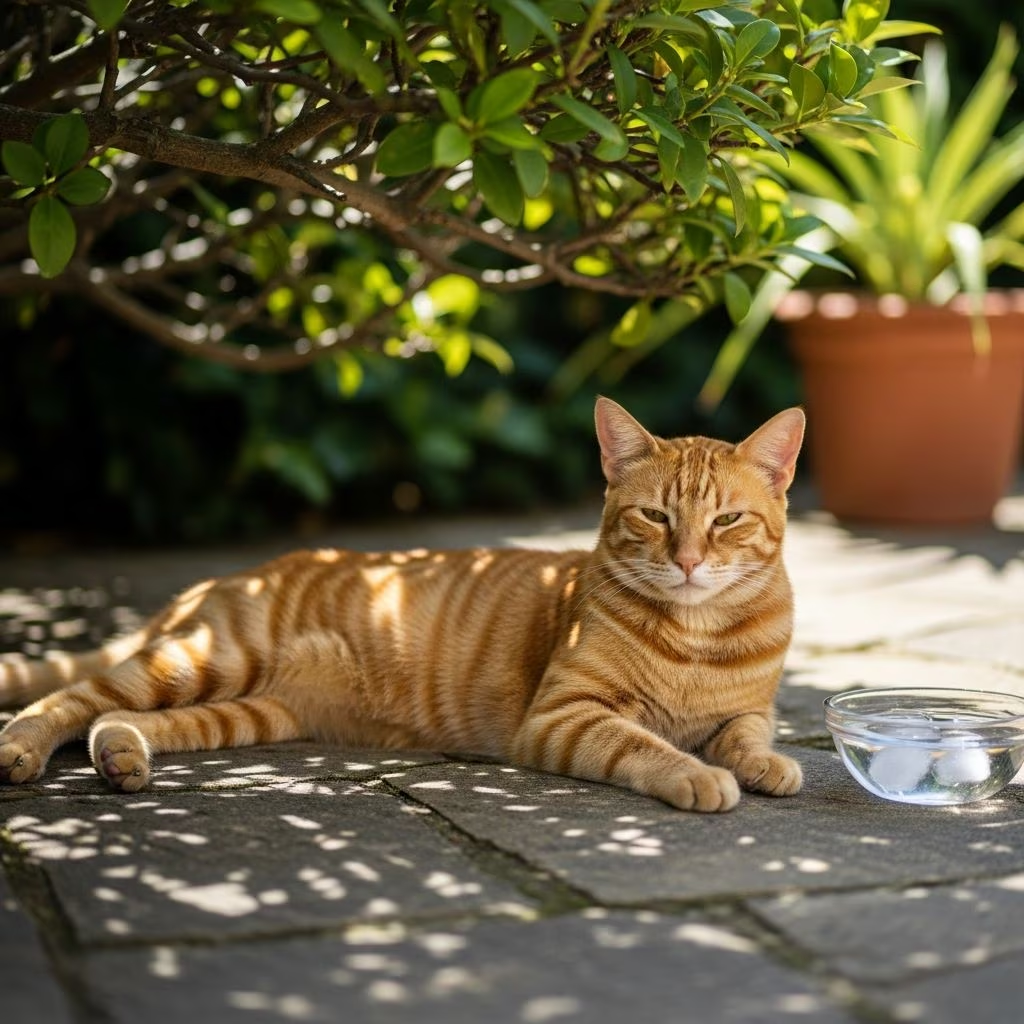
As temperatures soar in summer, outdoor cats face significant risks from heat exhaustion and dehydration. While cats are generally tolerant of warmth due to their higher body temperature—typically around 101.5°F (38.6°C)—prolonged exposure to extreme heat can lead to serious health issues like heatstroke. Providing simple, accessible cooling solutions is crucial for feral, stray, or free-roaming pet cats that spend time outside. This guide outlines six vet-recommended strategies to keep your outside cats cool, healthy, and happy through the hottest months.
The 6 Easy & Effective Tips on How to Keep Outside Cats Cool in the Summer
Implementing these practical measures can dramatically reduce the dangers of summer heat for outdoor felines. Focus on shade, hydration, and comfortable resting spots to mimic their natural cooling behaviors, such as seeking cool earth or evaporative panting.
1. Add Plenty of Shade
Shade is the cornerstone of summer cat care outdoors, as it lowers ambient temperatures and prevents direct sunlight from overheating your cat’s body and the ground beneath them. Cats instinctively seek shaded spots during peak heat, so create multiple options to accommodate territorial behaviors—cats rarely share prime resting areas.
- Plant dense bushes, leafy trees, or install porch covers to provide natural and artificial shade across your yard.
- Use tarps or shade sails strung between poles for quick, customizable coverage in open areas like treeless backyards.
- Build or modify outdoor shelters with overhanging roofs to drop internal temperatures by up to 10–20°F.
- Offer varied shade levels: deep shade under structures for hottest days and dappled light from trees for milder afternoons.
For feral or community cats, position shaded areas near food sources to encourage use without trapping them. According to veterinary guidelines, shaded environments with airflow are essential to prevent paw burns on hot surfaces like concrete, which can exceed 140°F on sunny days.
2. Don’t Forget Water
Hydration is vital, as cats have a low thirst drive and may not drink enough in heat, risking dehydration that manifests as lethargy or dry gums. Multiple fresh water sources prevent shortages if one spills or contaminates.
- Elevate bowls on bricks or inverted planters to promote airflow, keeping water cooler and cleaner longer.
- Install solar-powered or filtered cat fountains, which mimic running water that cats prefer, reducing bacterial growth from outdoor debris.
- Add ice cubes daily to maintain chill; many cats enjoy playing with them, increasing intake.
- Refresh water multiple times daily, especially in direct sun, and place stations in shaded spots away from food to encourage drinking.
For multi-cat areas, space out 2–3 stations to avoid competition. Wet food can supplement hydration, providing up to 80% moisture compared to kibble’s 10%.
3. Grooming for Better Cooling
Regular brushing removes excess undercoat, allowing better airflow to the skin for natural thermoregulation via panting and ear evaporation. Outdoor cats accumulate dirt and mats faster, trapping heat.
- Brush daily with a slicker or de-shedding tool, focusing on belly and flanks where fur thickens.
- Check for mats that block cooling; gently trim if needed, avoiding stress for feral cats.
- Light grooming sessions build trust with semi-feral cats, combining care with feeding times.
Vets note matted fur hinders evaporative cooling, a primary feline heat-loss method.
4. Cooling Beds and Mats
Specialized bedding elevates cats off scorching ground and provides passive cooling.
- Place straw-filled or elevated cots in shaded zones; options like breathable mesh promote airflow.
- Invest in pressure-activated gel mats that absorb body heat, recharging when unused—no electricity needed.
- DIY damp towels: Soak in cool water, wring out, and lay flat in shade; cats often lounge on them despite aversion to wetness.
- Raised platforms prevent paw contact with hot earth, ideal for patios or under gazebos.
Ensure mobility—cats must leave if too cool. Combine with shade for optimal effect.
5. Wet Food and Hydration Boosts
Switch to moisture-rich wet food during heat waves; it hydrates while satisfying hunger, countering reduced appetites in hot weather.
- Offer pate or chunks in water at cooler times like dawn or dusk.
- Mix water into kibble for semi-moist meals if wet food isn’t feasible.
- Monitor intake; heat suppresses eating, exacerbating dehydration.
This tip aligns with ASPCA recommendations for summer feline nutrition.
6. Monitor for Heat Stress and Provide Airflow
Watch for signs like rapid breathing, drooling, or weakness. Fans or open structures aid evaporation.
- Create breeze paths with strategic shelter placement.
- Avoid enclosures without ventilation; opt for screen-sided catios if containing cats.
- For emergencies, cool with damp cloths on paws and belly, offering ice water slowly.
Signs of Overheating in Outside Cats
Recognize heatstroke early: excessive panting (over 30 breaths/min), bright red gums, vomiting, or collapse. Act fast—move to shade, wet fur, and seek vet care if unresolved in 10–15 minutes. Vulnerable cats include seniors, brachycephalics, or obese ones.
| Symptom | Severity | Action |
|---|---|---|
| Mild panting | Low | Shade + water |
| Rapid breathing, lethargy | Medium | Cool mats, monitor |
| Seizures, unconscious | High | Emergency vet |
Additional Summer Safety Tips
- Avoid midday activity: Limit play during 10 AM–4 PM peaks.
- Paw protection: Provide grass/dirt paths to cool surfaces.
- Sunburn prevention: Keep light-skinned cats shaded; ears are prone.
- Flea control: Heat boosts parasites; treat shaded areas.
Frequently Asked Questions (FAQs)
What temperature is too hot for outside cats?
Cats struggle above 85°F (29°C) with humidity; heat index over 90°F risks heatstroke.
Can outside cats get sunburned?
Yes, especially white or light-eared cats; shade prevents UV damage.
How often should I provide fresh water?
At least twice daily, more in extreme heat; ice extends usability.
Are cooling mats safe for feral cats?
Yes, passive gel types require no power and recharge naturally.
Should I bring outside cats indoors in heat waves?
If possible, yes—air-conditioned spaces are safest, but provide alternatives if not.
Final Thoughts
Outdoor cats thrive with proactive summer care emphasizing shade, abundant water, grooming, and cooling aids. These six tips, backed by veterinary insights, minimize risks and ensure comfort. Multiple resources prevent single-point failures, potentially life-saving in heat. Regular checks reinforce your cat’s resilience—most handle warmth well but appreciate your help.
References
- How To Keep Outside Cats Cool in the Summer: 5 Vet-Approved Tips — Catster. 2023. https://www.catster.com/lifestyle/how-to-keep-outside-cats-cool-in-the-summer/
- How to Keep Feral Cats Cool in the Summer — K&H Pet Products. 2023. https://khpet.com/blogs/cats/how-to-keep-feral-cats-cool-in-the-summer
- How to Keep Cats Cool in Summer Without Air Conditioning — Catster. 2023. https://www.catster.com/cat-health-care/how-to-keep-cats-cool-in-summer-without-air-conditioning/
- How To Keep Your Cat Cool In The Summer: 12 Tips — Wellness Pet Food. 2023. https://www.wellnesspetfood.com/blog/how-to-keep-your-cat-cool-in-the-summer-12-tips/
- How to Cool a Cat Down Fast: 10 Vet-Verified Ways — Catster. 2023. https://www.catster.com/cat-health-care/how-to-cool-a-cat-down-fast/



