

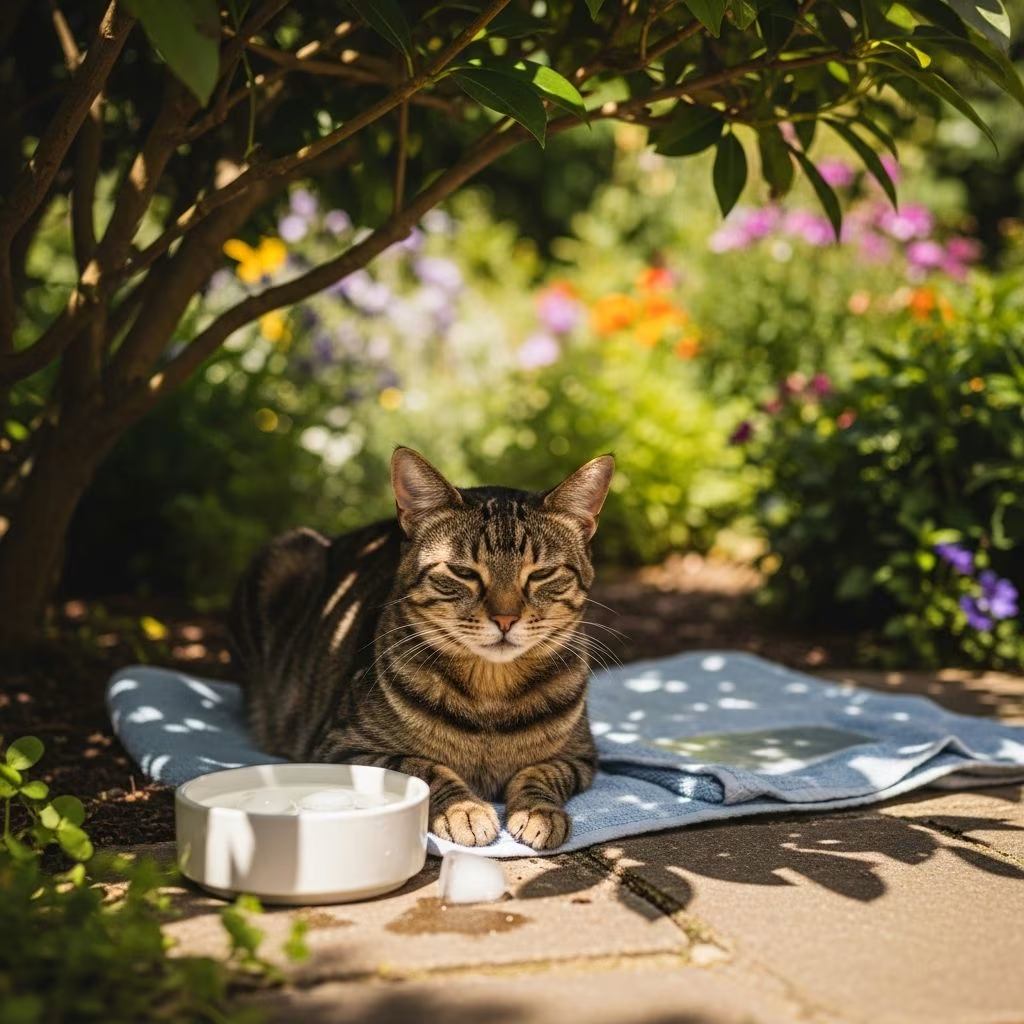
As summer temperatures soar, outdoor cats face significant risks from heat exhaustion and heatstroke. Cats primarily regulate body temperature through grooming and paw sweating, making them vulnerable in extreme heat above 102.5°F, their normal range of 100.4–102.5°F. Providing shade, water, and cooling options is crucial for community cats, ferals, and owned outdoor felines who can’t retreat indoors.
Most cats tolerate heat well but seniors, brachycephalics, or obese individuals are at higher risk. Implementing these strategies ensures your outdoor cats remain safe and comfortable without air conditioning.
The 6 Easy & Effective Tips on How to Keep Outside Cats Cool in the Summer
1. Add Plenty of Shade
**Shade is the most effective natural cooler** for outdoor cats, reducing ground temperature and direct sun exposure. Cats seek shaded spots instinctively, but multiple options prevent competition among ferals or multiples.
- Plant bushes, trees, or install porch covers for permanent shade.
- Use tarps, umbrellas, or shade sails over yards, shelters, or resting areas—double layering maximizes cooling.
- Create tiered shade: dense under trees, partial on patios, and covered shelters to let cats choose based on preference.
- For treeless yards, string tarps high to allow airflow while blocking sun.
Shaded shelters can drop internal temperatures by 10–20°F, critical for feral colonies. Monitor popular hangouts and add canopies where cats congregate.
2. Provide Constant Access to Fresh, Cool Water
**Hydration prevents overheating**—cats need constant fresh water, refreshed twice daily in heat to combat evaporation. Deep, narrow bowls retain coolness longer than wide ones.
- Place multiple stations in shaded spots, elevated to deter insects and contamination.
- Add ice cubes to bowls for prolonged chill; many cats enjoy batting them.
- Switch to wet food during peak heat—its 70–80% moisture content boosts intake.
- For ferals, use solar fountains to keep water moving and appealing.
Dehydration signs include lethargy, dry gums, and panting—offer water immediately if spotted. Avoid single sources; inaccessibility can be fatal.
3. Cooling Resting Places
**Elevated, airy beds promote airflow** around cats, unlike winter-insulated ones. Position in shade for maximum effect.
- Raised platforms or hammocks allow breeze on all sides, lowering body temp.
- Pressure-activated cooling mats (gel, water, or air-filled) absorb heat—recharge when unused. Wrap to prevent frostbite from direct cold.
- DIY damp towels: Soak in cool water, wring, and lay in shade—even water-averse cats use them.
- Bathtub retreats with misted towels for grip provide safe, cool hideouts.
Cooling pads improve senior cats’ quality of life by preventing overheating. Combine with fans for enhanced effect.
4. Grooming and Fur Management
**Regular grooming removes excess fur**, aiding heat dissipation since cats cool via evaporation during licks. Brush daily outdoors to avoid loose hair buildup.
- Use wide-tooth combs for longhairs; focus on underbelly and legs.
- Bathe sparingly with lukewarm water if heavily matted—most cats self-groom effectively.
- Trim (not shave) dense coats professionally to maintain insulation without shock.
Overgrooming signals stress; provide alternatives like cooling mats.
5. Strategic Use of Fans and Airflow
**Fans circulate air**, mimicking breeze to evaporate moisture from fur. Box fans on floors cool under raised beds effectively.
- Place frozen water bottles in front of fans for chilled air without direct ice contact.
- Position near open windows for cross-breezes (opposite directions ideal).
- Battery-operated fans suit portable outdoor shelters.
- Ensure blades are cat-safe; cats often enjoy the flow.
For outdoor setups, secure fans in shaded enclosures to cool colonies.
6. Indoor Access and Timing for At-Risk Cats
**Bring vulnerable cats inside** during peak heat (10 AM–4 PM)—even lifelong outdoor cats benefit. Safer overall, reducing risks like cars and toxins.
- Seniors, kittens, overweight, or dark-furred cats overheat fastest.
- Allow dawn/dusk outings when temps drop below 85°F.
- Close curtains/blinds to block solar gain if partial indoor time.
Indoor fans, AC spots, or tile floors provide relief.
Recognizing and Treating Heatstroke in Outdoor Cats
Heatstroke occurs above 104°F body temp, with symptoms: rapid panting, drooling, red gums, vomiting, seizures. Act fast:
- Move to shade/airflow immediately.
- Offer cool (not ice) water; dampen fur with room-temp wet cloths.
- Fan gently; avoid cold baths to prevent shock.
- Vet urgently if symptoms persist—mortality high without treatment.
| Symptom | Action | Urgency |
|---|---|---|
| Panting, lethargy | Shade + water | Monitor |
| Red gums, vomiting | Cool cloths + fan | High—call vet |
| Seizures, collapse | Emergency vet | Immediate |
Prevention trumps treatment; at-risk cats should transition indoors.
Additional Summer Safety Tips for Outdoor Cats
- Multiple resources: Never rely on one shade/water spot.
- Feral colonies: Community stations with insulated coolers.
- Monitoring: Check twice daily; tech cams for remote viewing.
- Humidity factor: High humidity impairs evaporation—extra cooling needed.
Frequently Asked Questions (FAQs)
Q: How hot is too hot for outside cats?
A: Above 102.5°F body temp or ambient 90°F+ with humidity; bring indoors over 85°F.
Q: Can I use ice packs directly on cats?
A: No—wrap to avoid frostbite; use damp towels instead.
Q: What if my feral cat shows heat distress?
A: Shade, cool water/cloths, vet if needed—many TNR programs offer heat support.
Q: Are cooling mats safe long-term?
A: Yes, when used as directed; recharge periodically.
Q: Should I let outdoor cats out in summer heat?
A: Limit to cool periods; indoor safer overall.
Final Thoughts
Outdoor cats thrive with proactive summer care: abundant shade, fresh water, cooling beds, grooming, fans, and indoor options for high-risk days. These vet-approved tips minimize heatstroke risks, ensuring happy, healthy felines through the hottest months. Monitor closely and adjust for local weather—your efforts save lives.
References
- How To Keep Outside Cats Cool in the Summer: 5 Vet-Approved Tips — Catster. 2023. https://www.catster.com/lifestyle/how-to-keep-outside-cats-cool-in-the-summer/
- How to Keep Cats Cool in Summer Without Air Conditioning — Catster. 2023. https://www.catster.com/cat-health-care/how-to-keep-cats-cool-in-summer-without-air-conditioning/
- How To Keep Feral Cats Cool in The Summer: 5 Tips & Tricks — Catster. 2023. https://www.catster.com/lifestyle/how-to-keep-feral-cats-cool-in-summer/
- 11 Ways To Keep Cats Cool During Summer (without AC) — Catster YouTube. 2023. https://www.youtube.com/watch?v=BU6j6DsOPM0
- How to Cool Down a Cat: 9 Vet-Approved Tips — Catster. 2023. https://www.catster.com/cat-health-care/how-to-cool-down-a-cat/
- How to Cool a Cat Down Fast: 10 Vet-Verified Ways — Catster. 2023. https://www.catster.com/cat-health-care/how-to-cool-a-cat-down-fast/
- How Hot Is Too Hot for a Cat? Vet-Approved Facts — Catster. 2023. https://www.catster.com/cat-health-care/how-hot-is-too-hot-for-a-cat/



