

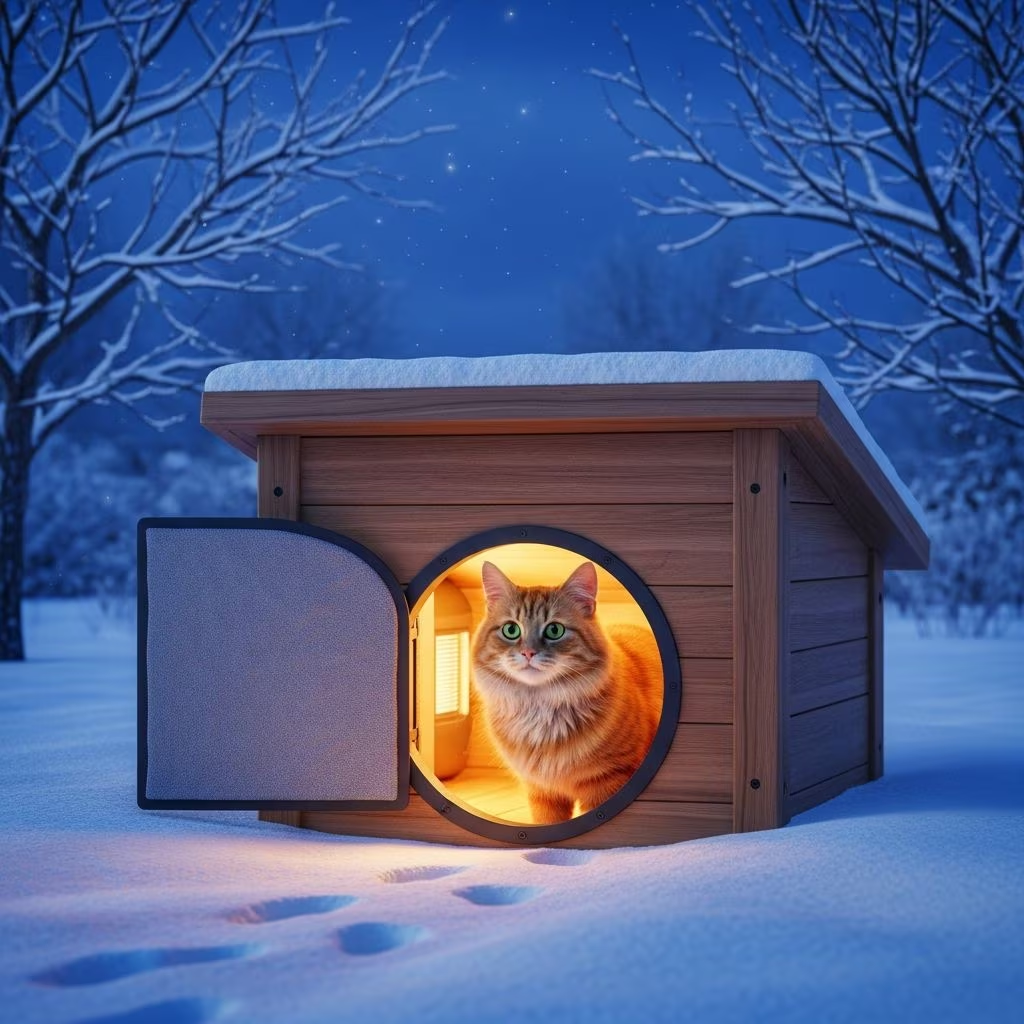
Winter poses significant risks to outdoor cats, including hypothermia, frostbite, and exposure to toxins. Despite their fur coats, feral, stray, and community cats need human intervention for survival in freezing temperatures. This guide covers essential strategies from shelter building to hazard prevention, drawing on recommendations from animal welfare experts.
Understanding the Risks for Outdoor Cats in Winter
Outdoor cats face hypothermia when body temperatures drop below 99°F (37.2°C), leading to shivering, lethargy, and organ failure if untreated. Frostbite commonly affects ears, paws, and tails due to exposed skin. Dehydration occurs as water sources freeze, and increased caloric needs arise from thermoregulation, burning up to 100 extra calories per shiver. Road salts and antifreeze are toxic, causing burns, gastrointestinal issues, or kidney failure when ingested from paws or puddles.
Providing Shelter: The Cornerstone of Winter Safety
A well-insulated shelter is critical, as cats seek warmth in engine compartments or sheds without protection. Shelters must be dry, elevated, and predator-proof.
- Elevate off the ground: Place on bricks or pallets to avoid dampness and flooding. Ensure level placement.
- Face away from wind: Position doorway leeward, ideally against a wall to deter larger animals.
- Small entrance: Size for cats only (about 5-6 inches wide) to retain heat; add flaps for wind block.
Best Bedding Materials
Straw is ideal as it traps air, repels moisture, and insulates without absorbing body heat. Avoid hay (allergen), blankets, towels, or newspapers, which retain wetness and chill cats.
- Line with Mylar emergency blankets for radiant heat reflection, topped with straw.
- Replace wet bedding weekly; check shelters post-snowfall.
DIY Shelter Designs
Simple builds use Styrofoam coolers, plastic bins, or wooden boxes. For example, cut entrances in bin sides, insulate interiors with straw, and secure lids. Best Friends Animal Society offers tutorials for no-cost options using household items. Alley Cat Allies recommends dual shelters with a canopy for feeding stations.
Feeding and Hydration Strategies
Cats require 20-30% more calories in cold weather to maintain heat. Feed high-protein wet food or warmed kibble near shelters.
- Prevent freezing: Use deep plastic bowls, solar-heated bowls, or place inside shelters where body heat thaws food.
- Water tips: Provide multiple sources; change frequently. Position under canopies between facing shelters.
- Schedule: Feed morning and evening; stock extra pre-storm.
| Material | Pros | Cons |
|---|---|---|
| Plastic Bowls | Insulates, tongue-safe | Can crack in extreme cold |
| Solar Bowls | Prevents freezing | Requires sunlight |
| Ceramic | Aesthetic | Freezes faster, cracks |
Health Checks and Frostbite Prevention
Inspect for frostbite: pale, swollen, or blackened ears/noses/paws. Warm gradually with body heat; seek vet care immediately. Wipe paws post-outings to remove irritants.
- Monitor elderly cats: Arthritis worsens; keep indoors if possible.
- Extremely cold days (<20°F): Indoor only.
Car and Toxin Hazards
Cats hide in warm engines; bang hoods and check wheel wells before starting. Avoid antifreeze (ethylene glycol toxic at 2-3 tbsp) and road salts causing paw burns.
- Use pet-safe deicers, sand, or gravel for traction.
- Store chemicals securely.
Additional Winter Precautions
Clear snow from shelters/feeders. Humidify indoor areas for visiting cats to prevent dry skin. For colonies, upgrade natural sleeping spots with straw if shelters unused.
Frequently Asked Questions (FAQs)
What bedding is best for outdoor cat shelters?
Straw or Mylar-lined straw; avoids moisture retention unlike blankets.
How often should I feed outdoor cats in winter?
Twice daily with extra calories; more pre-storm.
Can cats survive outdoors in winter?
With proper shelter, yes, but risks high without aid.
What if I find a frostbitten cat?
Warm slowly, vet immediately; don’t rub.
Should I bring feral cats indoors?
Avoid shelters due to euthanasia risk; provide outdoor aid.
References
- Cold Weather Tips for Cats — Alley Cat Allies. 2023. https://www.alleycat.org/resources/cold-weather-tips-for-cats/
- Winter Tips to Keep Your Outdoor Cat Safe — Just Cats Clinic. 2023. https://justcatsclinic.com/winter-tips-to-keep-your-outdoor-cat-safe/
- 5 Ways To Help Your Community’s Outdoor Cats This Winter — Chewy. 2023. https://www.chewy.com/education/cat/health-and-wellness/best-practices-for-feral-cat-care-in-the-winter
- How to Care for Outdoor Cats in Winter — Humane World for Animals. 2023. https://www.humaneworld.org/en/resources/how-care-outdoor-cats-winter
- Help outdoor cats keep warm this winter — Animal Humane Society. 2023. https://www.animalhumanesociety.org/resource/help-outdoor-cats-keep-warm-winter



