

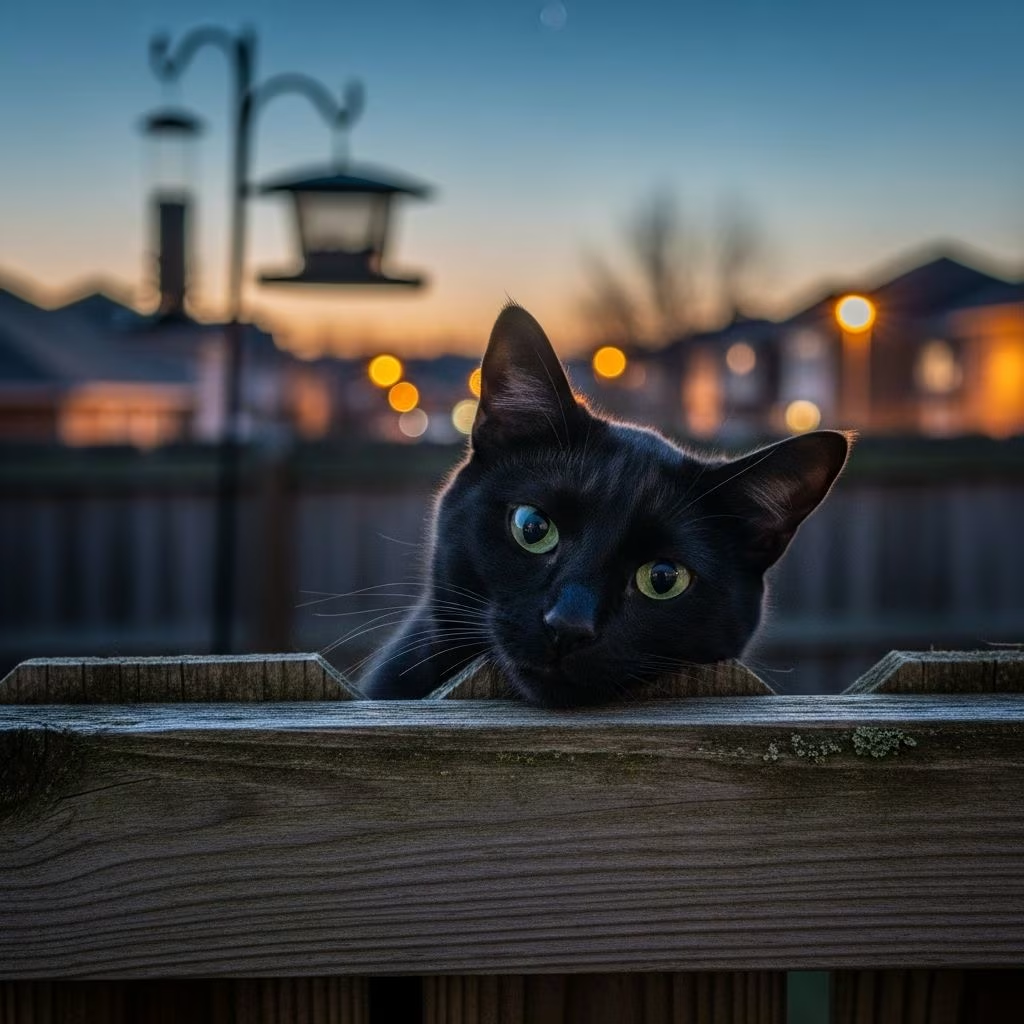
How to Keep Neighborhood Cats Away: 8 Tips for Dealing With Unwanted Felines
Feral, stray, and outdoor cats are generally harmless for the most part. They tend to stay away from strangers and try to go unnoticed throughout their daily activities. However, they can become troublesome when it comes to maintaining your gardens, protecting your garbage, and preserving your property. If neighborhood cats are becoming a nuisance on your land, there are several humane and effective strategies you can implement to discourage them from visiting. This comprehensive guide covers eight proven methods to keep unwanted cats away from your property.
Understanding the Problem: Types of Cats You May Encounter
Before implementing solutions, it’s helpful to understand the different types of cats you might be dealing with. Outdoor cats with homes are owned by neighbors who allow them to roam freely during the day or night. Stray cats are socialized to humans but don’t have a permanent home and may live within communities. Feral cats are not socialized to humans and roam neighborhoods in groups, using yards and gardens as litter boxes or digging spots.
The 8 Tips on How to Keep Neighborhood Cats Away
1. Utilize Citrus Peels
Citrus scents are a natural and effective repellent for cats. You can use these aromatic peels to help keep unwanted cats off your property in general. Simply sprinkle orange and lemon peels around your yard, especially near the perimeters and in areas where cats tend to congregate. The citrus peels will make cats disinterested in exploring your property because they won’t want to encounter the strong citrus scent up close. This method is:
- Cost-effective and readily available from kitchen waste
- Non-toxic to cats, humans, and pets
- Easy to replace as peels decompose naturally
- Particularly effective in garden beds and near entry points
2. Make the Trek Uncomfortable
An effective way to keep unwanted cats out of your yard is to make the walking experience uncomfortable for them. Cats have sensitive paws and prefer soft surfaces where they can move silently. By creating an inhospitable environment, you discourage them from venturing across your property.
Consider these uncomfortable footing options:
- Pinecones: Scatter these in areas where cats tend to be the most burdensome or around the perimeter of your property. Cats will find the space hostile and won’t want any part of it.
- Sharp-edged mulch: Use coarse stone or wood mulch that irritates their sensitive paw pads
- Plastic forks: Stick them into the ground about 8 inches apart in garden beds
- Chopsticks: Insert these vertically spaced throughout areas you want to protect
- Prickle strips: Commercially available rubber prickle strips that irritate paws when cats dig
- Chicken wire or mesh: Embed these under plants to prevent cats from scratching and digging
3. Install Motion Sensor Lights and/or Sprinklers
Cats dislike being startled and fear bright lights when they’re trying to move undetected in darkness. They also universally dislike getting wet. Modern technology has made motion-activated devices affordable and effective solutions for cat deterrence. Installing such products on your property can effectively keep cats away because:
- Sudden light activation startles cats and triggers their fight-or-flight response
- Motion-activated sprinklers surprise cats with water they despise
- Cats won’t want to keep triggering these devices repeatedly
- They will move on to other spaces for their food and exploration needs
- Many models are solar-powered and environmentally friendly
These devices work both day and night and can be strategically placed in areas where cats most frequently visit.
4. Create a Barrier
While most cats can jump over and climb a fence or barrier, creating physical obstacles still provides enough resistance that a cat won’t want to bother trying to overcome it. The taller the barrier, the better protection it will provide. Consider these barrier options:
- Fencing: Traditional fences, especially those 4-6 feet tall, deter most cats
- Hedges: Dense, prickly hedges create both visual and physical barriers
- Tall planters: Strategic placement can block pathways cats prefer
- Rock walls: These add aesthetic value while deterring cats
- Fence toppers: Special angled attachments prevent cats from climbing over existing fences
If you cannot or do not want to create a barrier around your entire property, consider creating one just around your garden and other specific spaces that you want to keep cats out of. This targeted approach is often more practical and cost-effective.
5. Ensure That No Meals Are Available
Food is a primary attraction for neighborhood and stray cats. Making sure no “meals” are left out is one of the most effective long-term solutions to your cat problem. Take these precautions:
- Bring outdoor pet meals inside: If you feed indoor or outdoor cats outside, move mealtime indoors immediately. This removes the primary food source attracting strays.
- Use garage feeding stations: If moving meals inside isn’t possible, create a meal space inside your garage where strange cats are less likely to venture
- Secure garbage cans: Ensure all kitchen garbage is tightly secured in garbage cans with strong lids when left outside. Cats will learn that your garbage bins are a food source if left unsecured.
- Clean grills promptly: Clean your grill immediately after cooking to remove food residue and grease that attract cats
- Remove picnic leftovers: Don’t leave any food scraps, pet food dishes, or human food outside
- Eliminate bird attractants: Place bird feeders in open areas where cats can’t stalk and surprise birds, or temporarily remove them
6. Use Ultrasonic Devices
Ultrasonic animal repellents represent a humane, technology-based solution. These devices emit a high-frequency sound that deters cats (and other nuisance animals) but which humans cannot hear. Many are solar-powered and include motion-detection features, so they only activate when an animal is nearby. Key advantages include:
- Safe and humane for cats
- Inaudible to humans, so they don’t disturb your family
- Solar-powered options reduce electricity costs
- Motion detection ensures efficient battery use
- Can be placed strategically around your property
7. Mask and Neutralize Scent Markers
Cats use scent markers to communicate and establish territory. Cleaning and neutralizing existing scent markers is crucial for long-term success. Additionally, masking lingering feces scents in your soil can deter future visits. You can mask these odors using:
- Citrus peels: Distribute throughout affected areas
- Coffee grounds: Sprinkle around garden beds and perimeters
- Cayenne pepper: A spicy deterrent cats find unpleasant
- Essential oils: Lavender or eucalyptus oils can mask unwanted scents
- Predator urine: Available commercially, this signals danger to cats as it indicates a larger predator may be nearby
8. Talk to the Neighbors
If you notice that the cats coming into your yard belong to people in the neighborhood, consider having a friendly conversation with the owners. This diplomatic approach can often lead to cooperative solutions. Here’s how to approach this conversation:
- Choose the right approach: Bring muffins or cookies to their house as a friendly gesture
- Suggest a friendly chat: Ask if they can talk over coffee or tea in a relaxed setting
- Present the problem politely: Explain that you’re having trouble with their cat without blame or accusation
- Brainstorm solutions together: Work collaboratively to find solutions that benefit both parties
- Suggest practical measures: Recommend neutering the cat and ensuring it has comfortable areas to rest and use as a toilet in their own yard
Remember, the worst outcome is that they refuse to cooperate, and you’re left in the situation you’d be in if you’d never spoken to them at all. However, most neighbors are willing to help once they understand there’s a problem.
Eliminating Cat Attractions: Additional Prevention Strategies
Beyond the eight main tips, consider these additional preventive measures:
- Eliminate hidey holes: Seal gaps in your house or shed foundations to prevent cats from making these structures into shelters. Always check for trapped cats or separated kittens before sealing.
- Maintain a clean yard: Keep your property tidy by raking leaves and removing brush, as these attract mice and other prey animals that cats hunt
- Avoid planting catnip: Don’t grow catnip in your yard, as many cats cannot resist it
- Protect bird feeders: Place feeders in open areas where cats cannot hide and stalk
Comparison of Popular Cat Deterrent Methods
| Method | Cost | Effectiveness | Maintenance | Humane |
|---|---|---|---|---|
| Citrus Peels | Low (free) | Moderate | Weekly replacement | Yes |
| Motion Sprinklers | Medium | High | Minimal | Yes |
| Barriers/Fences | High | High | Annual upkeep | Yes |
| Ultrasonic Devices | Low-Medium | Moderate-High | Minimal | Yes |
| Uncomfortable Footing | Low-Medium | Moderate | Replacement as needed | Yes |
| Food Removal | None | High | Daily | Yes |
Frequently Asked Questions
Q: Are these methods harmful to cats?
A: No, all methods described in this guide are humane and non-harmful. They work by discouraging cats from visiting your property rather than causing them pain or injury. Even uncomfortable footing like pinecones only irritates paws without causing lasting damage.
Q: How long does it take to see results?
A: Results vary depending on the method and the cats’ habituation level. Motion sprinklers typically work immediately after the first activation. Scent deterrents may take 1-2 weeks as cats learn to avoid the area. Most comprehensive approaches show improvement within 2-4 weeks with consistent application.
Q: Can I use multiple methods together?
A: Yes, combining multiple methods is highly recommended and often more effective than single approaches. For example, using motion sprinklers with citrus peels and barriers creates multiple deterrents that cats must overcome.
Q: What should I do if I trap a cat while sealing holes?
A: Always check for trapped cats or separated kittens before sealing any holes. Work slowly and leave gaps for animals to escape. Contact a local animal control or rescue organization if you find a cat trapped.
Q: Is it legal to trap and relocate neighborhood cats?
A: Laws vary by location. Generally, relocating someone else’s pet without permission is illegal. Trapping stray or feral cats should involve contacting local animal control or rescue organizations. Always check your local regulations before taking action.
Q: How do I know if I have feral or stray cats?
A: Stray cats are socialized to humans and may approach you or respond to interaction. Feral cats avoid human contact, stay low to the ground, and won’t let you pet them. Observing their behavior will help you determine which type you’re dealing with and which approach to use.
Final Thoughts
Neighborhood and stray cats can be nuisances when they encroach on your property. They can pose threats to your own pet cats, tear up your gardens and landscaping, get into your trash, cause property damage, and create various other troubles if allowed to roam unchecked. However, with patience and the right combination of strategies, you can successfully deter them without causing harm.
Start by identifying which methods work best for your situation. Most homeowners find that combining two or three approaches—such as removing food sources, installing motion-activated devices, and creating physical barriers—provides the best results. Remember that consistency is key; cats are intelligent and persistent, so maintaining your deterrent efforts is essential for long-term success.
Hopefully, the tips and tricks outlined in this comprehensive guide will help keep the problem cats in your neighborhood away from your property, allowing you to enjoy your yard in peace.
References
- How to Keep Neighborhood Cats Away: 8 Tips for Dealing With Unwanted Felines — Catster. 2024. https://www.catster.com/lifestyle/how-to-keep-neighborhood-cats-away/
- How to Keep Cats Out of Your Yard — LawnStarter. 2024. https://www.lawnstarter.com/blog/landscaping/how-to-keep-cats-out-of-your-yard/
- How to Keep Stray Cats Out of Your Yard & Garden — YouTube. https://www.youtube.com/watch?v=hyQBDC_GFco



