

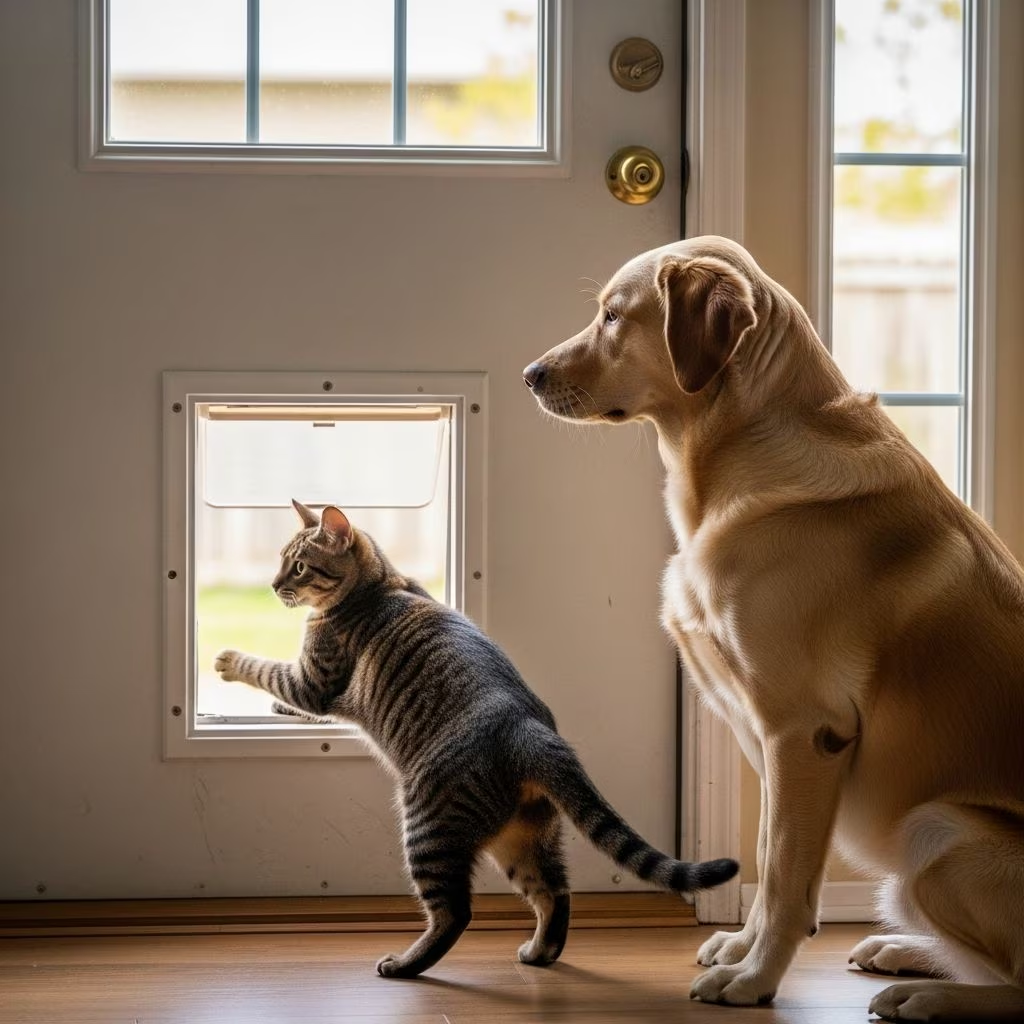
Cats are naturally curious explorers, often drawn to dog doors out of mimicry, adventure-seeking, or simple opportunism. While convenient for dogs, these portals pose serious risks to indoor cats, including traffic hazards, predators, toxins, and getting lost. This guide outlines 10 vet-approved strategies to deter your cat effectively while preserving your dog’s access. By understanding motivations and applying consistent methods, you can safeguard your feline friend indoors.
1. Understand Your Cat’s Motivation
Before implementing solutions, observe why your cat targets the dog door. Common triggers include following the dog outside, hunting instincts sparking at outdoor sights/sounds, boredom leading to mischief, or stress prompting escape attempts. Indoor-only cats view the flap as a novel exit, especially if they witness the dog using it repeatedly. Monitoring patterns—such as timing or triggers—helps tailor deterrents. For instance, if curiosity peaks during mealtimes, redirect with interactive toys then. Patience is key; sudden changes in routine can heighten interest temporarily.
2. Adjust the Size of the Dog Door
Modify the dog door’s dimensions to favor your dog’s size over your cat’s agility. Add vertical extensions or barriers raising the lower edge, making it awkward for low-slung cats to paw through while dogs barrel comfortably. Experiment with adjustable flaps or inserts that narrow the opening slightly. Test thoroughly: time your dog’s passages to avoid frustration, which could lead to destructive chewing. This low-cost tweak exploits physical differences—cats average 8-10 lbs versus dogs’ 20-100+ lbs—without full replacement.
3. Use Microchip or Magnetic Pet Doors
Upgrade to smart pet doors like microchip-activated or magnetic collar models. These scan RFID chips (standard in most pets) or collar magnets, unlocking only for authorized users. Your dog enters freely; cat attempts fail silently. Brands like PetSafe or SureFlap offer weatherproof installs reading up to 32 pets. Initial cost ($100-300) pays off in security, preventing unauthorized exits. Program exclusions easily via apps. Ideal for multi-pet homes, these eliminate physical barriers.
4. Use Deterring Materials
Cats abhor sticky, crinkly, or unstable textures on paws. Line the approach with aluminum foil (crinkles unpleasantly), double-sided tape (sticky grip), or tacky anti-slip mats (mild resistance dogs tolerate better). Place citrus-scented sprays (cat-safe, non-toxic) around the frame—felines instinctively avoid lemon/orange odors. Refresh daily. Motion-activated air puffers like SSSCAT hiss harmlessly on approach, conditioning avoidance without harm. Combine for layered defense; rotate to prevent habituation.
- Aluminum foil: Crinkly noise and feel deter pawing.
- Citrus sprays: Natural repellent; reapply 2x daily.
- Sticky tape/mats: Paw discomfort without injury.
5. Use a Baby Gate
Install a pressure-fit baby gate blocking cat access while allowing dog passage (choose wide-bar models or adjustable heights). Position inside, high enough for cat-jumping deterrence but dog-duckable. Temporary for high-traffic times; remove for dog outings. Pressure-mounted gates suit renters—no tools needed. For permanence, add cat-proof netting atop. Simple, inexpensive ($20-50), but requires supervision during dog use.
6. Train Your Cat with Positive Reinforcement
Leverage treats and praise to redirect. Teach ‘sit-stay’ away from the door: when dog approaches, cue cat to a designated spot (cat tree/perch) with high-value treats like tuna. Use clickers for precision; sessions 5-10 mins daily. Interrupt approaches with toys, claps, or hisses, then reward retreat. Consistency builds association: door = no fun, perch = jackpot. Works best young cats; older ones may need weeks.
7. Employ Motion-Activated Deterrents
Devices like PetSafe SSSCAT or ScatMats detect motion/proximity, emitting startling (safe) puffs or static pulses. Place strategically: one atop door frame, another on floor. Cats flee after 1-2 encounters, learning zone avoidance. Battery-powered, adjustable sensitivity; dogs ignore post-habituation. Non-harmful per ASPCA guidelines. Pair with training for reinforcement.
8. Install Magnets or Barriers
Attach strong neodymium magnets to flap edges at cat-paw height (observe preferences—often right side). Extra resistance blocks feline nudges; dogs power through. DIY with weatherproof adhesive. Alternatives: scat mats inside flap or invisible fences (collar shocks cat only). Test dog comfort; magnets cost under $20.
9. Provide Alternatives and Enrichment
Combat boredom fueling escapes with indoor outlets: window perches for views, puzzle feeders, laser toys, vertical spaces. Place cat tree opposite door; lure during dog exits. Scheduled play mimics outdoor stimulation, reducing door fixation. Rotate toys weekly; consider Feliway diffusers for stress.
10. Supervise and Isolate When Needed
For determined cats, confine to pet-door-free rooms during unlocked periods (e.g., dog walks). Use locking covers nightly. Long-term, microchip doors eliminate need. Vigilance prevents slips; cameras monitor remotely. Combine with training for habituated success.
Pros and Cons of Common Methods
| Method | Pros | Cons | Cost |
|---|---|---|---|
| Microchip Door | Selective access; permanent | High upfront; install req. | $$$-$$$$ |
| Deterrents (Foil/Spray) | Cheap; easy DIY | Needs refresh; dog tolerance | $ |
| Training | No tools; builds bond | Time-intensive | $ |
| Baby Gate | Quick setup | Manual removal | $ |
| Motion Devices | Automated scare | Batteries; false triggers | $$ |
Frequently Asked Questions (FAQs)
Why does my indoor cat want to use the dog door?
Curiosity, mimicking dog, boredom, or stress drives it. Provide enrichment to redirect.
Will deterrents hurt my cat?
No—use pet-safe options like air puffs or scents; avoid pain-based like shocks.
Can I train an adult cat not to use it?
Yes, with patience and treats; younger cats learn faster.
What if my dog dislikes changes?
Gradual intro, positive reinforcement; monitor for stress.
Are microchip doors worth it?
Highly for multi-pet safety; vet-recommended.
Consistency across methods ensures success. Start with observation, layer 2-3 tactics, and adjust based on response. Your cat’s safety hinges on proactive prevention—enjoy harmonious pet living!
References
- How To Keep Cats from Using the Dog Door — Endura Flap. 2023-05-15. https://enduraflap.com/blogs/pet-doors/how-to-keep-cats-from-using-the-dog-door
- How To Keep The Cat From Using The Dog Door — From House to Home. 2022-11-10. https://www.fromhousetohome.com/keep-cat-from-using-dog-door/
- How to Keep My Cat from Using the Dog Door: 10 Vet-Approved Tips — Catster. 2024-08-20. https://www.catster.com/cat-behavior/how-to-keep-my-cat-from-using-the-dog-door/
- Dealing with Door-Dashing Cats — PetSafe. 2023-02-28. https://www.petsafe.com/blog/dealing-with-door-dashing-cats/
- Escape Artist at Home? Prevent Your Pet Door-Dashing — Animal Humane Society. 2024-01-12. https://www.animalhumanesociety.org/resource/escape-artist-home-prevent-your-pet-door-dashing-these-tips



