

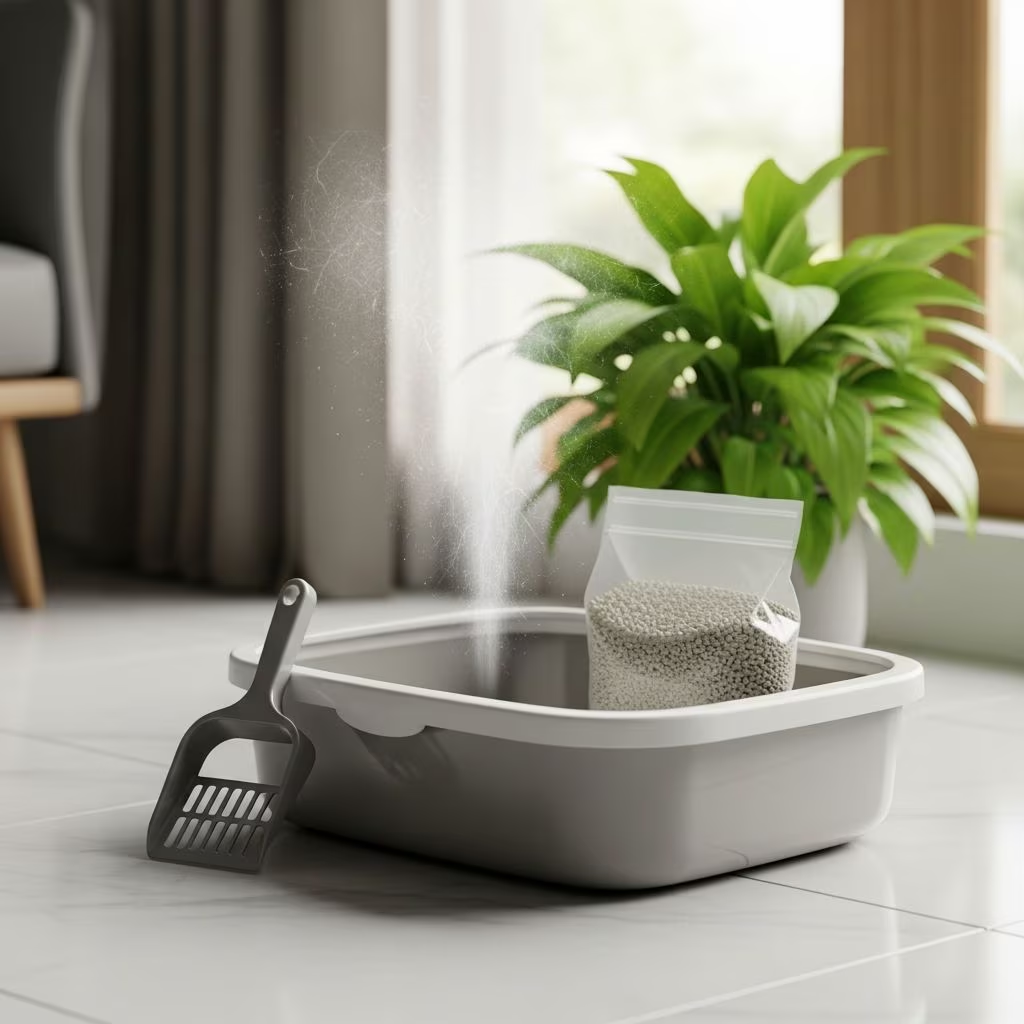
A smelly litter box is one of the most common complaints among cat owners, but it doesn’t have to be. With consistent routines and smart choices, you can eliminate odors at the source and create a pleasant environment for both you and your feline friends. This guide explores practical, vet-approved methods to tackle litter box smells effectively.
Why Do Litter Boxes Smell?
Litter box odors primarily stem from urine and feces breakdown, producing ammonia and other pungent compounds. Bacterial growth in moist litter amplifies the issue, especially if not scooped regularly. Poor ventilation, wrong litter type, or infrequent deep cleaning exacerbate smells. Factors like diet, health issues (e.g., urinary tract infections), or stress can increase odor intensity.
Understanding the root causes helps target solutions. For instance, clumped urine soaks into litter, fostering bacteria if left unscooped. Multi-cat homes intensify problems due to higher waste volume.
The Golden Rule: Scoop Daily
The single most effective way to control litter box odors is scooping at least once daily—twice is ideal. This removes waste before ammonia builds up, preventing bacterial proliferation.
- Use a durable metal scoop to scrape sides and bottom, capturing hidden urine crystals.
- Scoop under visible clumps, shaking gently to return clean litter.
- Dispose in a sealed system like a Litter Genie to contain smells during storage.
In multi-cat households, frequent scooping prevents territorial avoidance, reducing accidents elsewhere.
Choose the Right Litter
Not all litters control odors equally. Opt for types with superior absorbency and clumping ability.
| Litter Type | Odor Control | Pros | Cons |
|---|---|---|---|
| Clumping Clay | Excellent | Easy scooping, traps urine | Dusty, heavier |
| Silica Gel (Crystal) | Superior | High absorbency, long-lasting | Costly, noisy |
| Non-Clumping | Poor | Cheaper | Harder to clean, more odor |
| Pine/Wood | Moderate | Natural scent | Strong smell may deter cats |
Clumping litters excel by forming solid balls for complete removal, minimizing residual moisture. Avoid scented varieties, as cats’ sensitive noses may reject them, leading to box avoidance.
Deep Clean the Litter Box Regularly
Monthly thorough washing prevents odor buildup. Empty all litter, scrub with mild, unscented soap and hot water. Avoid bleach or harsh chemicals, which linger and repel cats.
- Rinse until water runs clear to remove residue.
- Dry completely before refilling to prevent clumping.
- For tough stains, use enzymatic cleaners that break down proteins in urine.
Replace the box every 1-2 years, as plastic absorbs odors over time.
Provide Enough Litter Boxes
Follow the rule: one box per cat plus one extra. For two cats, use three boxes; this dilutes waste concentration and reduces smells.
Place boxes in quiet, accessible spots away from food. Larger boxes (1.5x cat’s length) allow proper digging and covering. Avoid covered boxes, which trap odors and feel claustrophobic.
Optimize Litter Box Location and Ventilation
Poor airflow concentrates smells. Position boxes in well-ventilated areas, like laundry rooms or screened porches, avoiding enclosed cabinets.
- Use fans or open windows for circulation.
- Small air purifiers with HEPA and carbon filters neutralize odors without overwhelming noise.
- Skip litter furniture that seals in smells.
Incorporate Odor Absorbers and Additives
Enhance control with safe additives.
- Baking Soda: Sprinkle lightly at the bottom; absorbs moisture and neutralizes acids. Use sparingly to avoid deterring cats.
- Activated Charcoal: Odorless absorber; mix small amounts or hang sachets nearby.
- Corncob Granules: Natural, biodegradable additives wick moisture and use essential oils for molecular neutralization. Sprinkle 2-3 tablespoons post-scooping.
Avoid over-scenting; plain options keep cats using the box.
Use Pet-Safe Odor Eliminators
Spray enzymatic eliminators around (not in) the box. These break down odor molecules safely. Products with corncob and essential oils extend litter life, reducing scooping frequency.
Full Litter Replacement Schedule
Dump and replace all litter every 2-4 weeks, depending on cat count. Clumping litters last longer but still harbor bacteria.
- Top off with fresh litter weekly.
- In high-traffic homes, refresh more often.
Address Health and Behavioral Issues
Persistent odors may signal issues. Monitor for UTIs (strong ammonia smell) or diet-related changes. Consult a vet if smells intensify suddenly. Stress from new pets or moves can cause poor burying.
Tips for Multi-Cat Households
More cats mean more waste. Strategies include:
- Extra boxes in separate locations.
- Color-coded scoops to track usage.
- High-capacity litters and purifiers.
Frequently Asked Questions (FAQs)
What is the fastest way to reduce litter box smell?
Scoop daily and use an air purifier or baking soda for immediate relief.
Can I use essential oils in the litter box?
Use pet-safe, diluted options sparingly; direct contact may irritate paws.
Why does my litter box still smell after scooping?
Deep clean monthly and check litter type; residue builds in plastic.
Are covered litter boxes better for odor control?
No, they trap smells; open boxes with ventilation work best.
How often should I replace the entire litter?
Every 2-4 weeks, or sooner in multi-cat homes.
Is baking soda safe for cats?
Yes, in small amounts; excessive use may cause aversion.
Implementing these strategies ensures a fresh home. Consistency is key—your cats will thank you with continued box use.
References
- Top 7 Litter Box Odor Control Solutions — Angry Orange. 2023. https://angryorange.com/blogs/news/top-7-litter-box-odor-control-solutions
- How To Get Rid Of Cat Litter Box Odors — Class Act Cats. 2023. https://classactcats.com/blog/how-to-get-rid-of-cat-litter-box-odors/
- Litter Box Odor Eliminator — Rocco & Roxie Supply Co. 2023. https://roccoandroxie.com/products/litter-box-odor-eliminator



