

How to Keep Your Indoor Cat Happy: 12 Vet-Reviewed Tips
Indoor cats can live long, fulfilling lives when provided with the right environment and enrichment. Unlike outdoor cats who face numerous health risks and dangers, indoor cats can thrive in a properly designed home environment. However, keeping an indoor cat happy requires intentional planning and effort from their owners. This comprehensive guide covers 12 vet-approved strategies to ensure your indoor feline companion remains stimulated, healthy, and content throughout their life.
Understanding Indoor Cat Happiness
Many people worry that keeping cats indoors will lead to boredom and unhappiness. However, research has consistently shown that indoor cats can be just as happy and fulfilled as their outdoor counterparts when given adequate stimulation and care. The key difference is that indoor cats depend entirely on their owners to provide mental and physical enrichment opportunities. Indoor cats generally live to around 20 years old, compared to outdoor cats that typically live only 2 to 5 years, making the indoor environment a significantly healthier choice for your feline friend.
1. Provide Plenty of Toys and Interactive Play
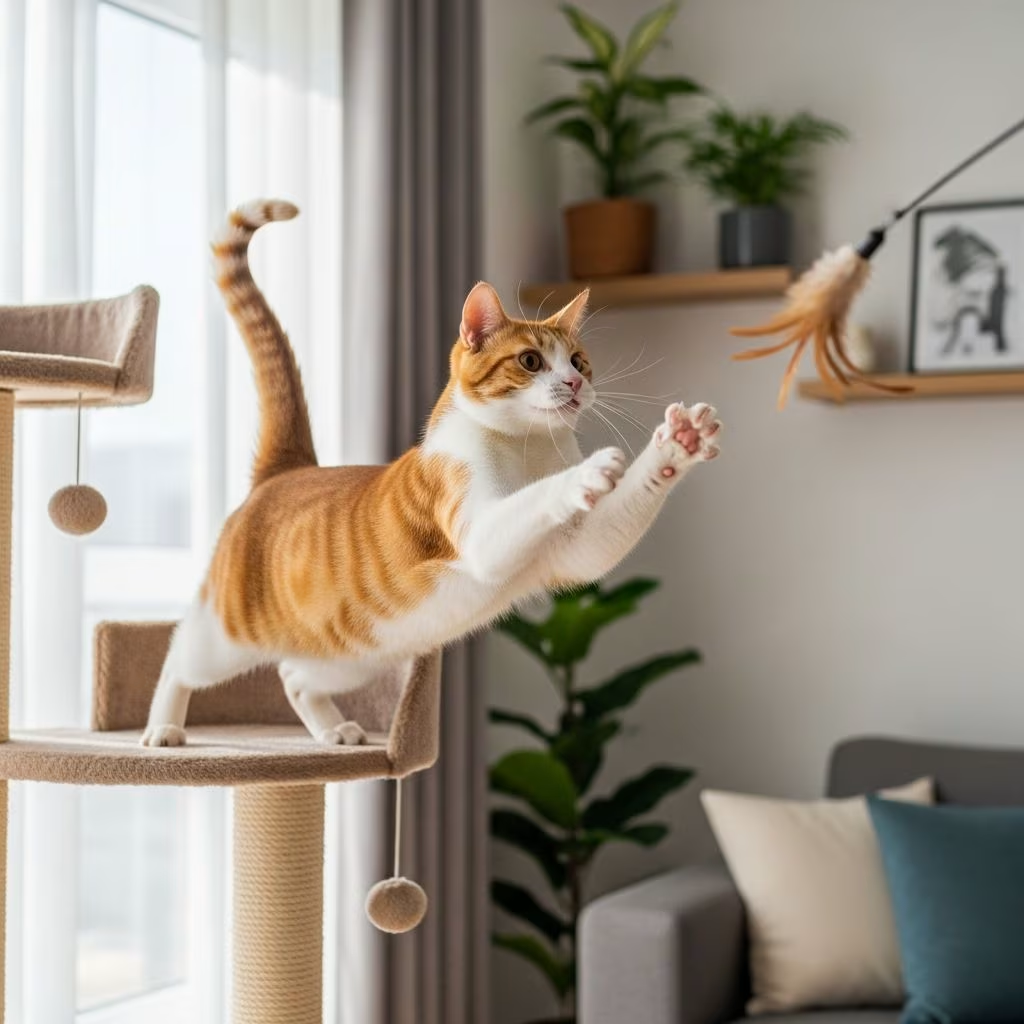
Toys are essential for keeping indoor cats mentally stimulated and physically active. The most effective toys are those that mimic prey behavior and engage your cat’s natural hunting instincts. Interactive toys such as feather wands, fast-moving furry toys that resemble mice, and laser pointers provide excellent mental stimulation during playtime.
To prevent boredom, rotate your cat’s toys regularly, keeping some favorites available while temporarily removing others. This rotation strategy keeps the environment feeling fresh and exciting. Aim for at least 15-30 minutes of dedicated playtime daily, split into multiple sessions throughout the day. Interactive play not only provides physical exercise but also strengthens the bond between you and your cat while burning off excess energy that might otherwise lead to destructive behaviors.
2. Create Vertical Spaces and Climbing Areas
Cats naturally love to climb and observe their surroundings from elevated positions. Vertical spaces serve multiple purposes in an indoor environment: they provide exercise, entertainment, and stress relief. Installing cat trees, wall-mounted shelves, and scratching posts at various heights throughout your home gives your cat opportunities to climb, jump, and explore.
When cats feel anxious, scared, or simply want to observe their environment, they naturally seek high places where they can feel safe and in control. Providing large cat trees and scratching posts helps reduce anxiety while keeping your cat physically active. These vertical structures also help maintain claw health and provide appropriate outlets for natural scratching behaviors, protecting your furniture in the process.
3. Install Window Perches for Bird Watching
Window perches offer indoor cats entertainment and mental stimulation by allowing them to watch the outside world. Birds, squirrels, and other outdoor activity provide natural entertainment that can keep cats engaged for extended periods. Position window perches in sunny spots when possible, as cats love basking in natural sunlight.
Window watching satisfies your cat’s predatory instincts without requiring any action on your part. This passive form of enrichment is particularly valuable for older cats or those with limited mobility who may not participate as actively in interactive play. Even 10-15 minutes of bird watching can significantly contribute to your cat’s daily mental stimulation.
4. Use Puzzle Feeders and Food-Dispensing Toys
Puzzle feeders and food-dispensing toys transform mealtime into an enrichment activity. Instead of simply placing food in a bowl, these devices require your cat to work for their food, engaging their problem-solving abilities and providing mental stimulation. This approach slows down eating speed, which can benefit cats prone to overeating or digestive issues.
You can purchase commercial puzzle feeders or create DIY versions using toilet paper rolls, paper bags, or boxes with holes cut into them. Hiding treats around the house and encouraging your cat to hunt for them also provides similar mental enrichment while promoting physical activity. Varying feeding methods keeps mealtimes interesting and prevents the monotony of eating from the same bowl every day.
5. Establish Predictable Routines and Quiet Observation Spots
Cats thrive on predictability and routine. Establishing consistent feeding times, play schedules, and daily rituals helps your cat feel secure and understand their environment. Cats naturally prefer calm, structured environments where they know what to expect throughout the day.
Create quiet observation spots where your cat can relax and watch their surroundings at their own pace without feeling pressured to interact. A cozy window perch, a enclosed bed in a low-traffic area, or a covered hideaway serves this purpose well. These safe spaces allow your cat to take breaks from stimulation and retreat when feeling overwhelmed, which is essential for their emotional well-being.
6. Offer Safe Outdoor Access Through a Catio
A catio—a portmanteau of “cat” and “patio”—is a fully enclosed outdoor space that allows your cat to enjoy fresh air, sunshine, and natural sights and sounds while remaining completely safe. Catios range from small window boxes to elaborate custom structures and provide an excellent compromise between indoor safety and outdoor enrichment.
In a catio, your cat can experience natural sensory stimulation from birds, insects, wind, and sunshine without exposure to cars, predators, parasites, or diseases. This option is particularly valuable for cats showing interest in outdoor environments or those needing more extensive environmental enrichment than indoor-only space provides. Even a few hours weekly in a safe catio significantly enhances your cat’s quality of life.
7. Introduce Companion Animals When Appropriate
For cats that enjoy social interaction, introducing another cat or small animal can provide companionship and mental stimulation. A feline companion offers opportunities for play, social interaction, and grooming. However, not all cats appreciate other animals in their space, so introductions must be gradual and carefully monitored.
If introducing a living companion isn’t suitable for your cat, even a stuffed animal can provide comfort and a tactile presence during times when their human isn’t available. Some cats form strong attachments to specific toys or objects that provide comfort and companionship.
8. Maintain Litter Box Cleanliness and Accessibility
A clean, accessible litter box is fundamental to indoor cat happiness. Outdoor cats have unlimited bathroom options, but indoor cats depend on their owners to maintain appropriate facilities. Place litter boxes in quiet, low-traffic areas away from food and water bowls, as cats prefer to eliminate away from eating areas.
Offer litter box options by providing multiple boxes (ideally one per cat plus one extra) in different locations. Experiment with different litter types to find your cat’s preference, as some cats prefer fine-grained litter while others favor paper or natural substrates. Outdoor cats accustomed to soil or sand might prefer litter that mimics these textures. Scoop litter boxes daily and perform full litter changes weekly to maintain cleanliness and encourage consistent use.
9. Protect Against Boredom-Related Behavioral Issues
A bored cat can develop behavioral problems including aggression, destructive scratching, excessive vocalization, and inappropriate elimination. These behaviors often emerge when cats lack adequate mental and physical stimulation. Preventing boredom is far easier than addressing behavioral problems after they develop.
Combat boredom by varying your cat’s daily activities, rotating toys, introducing new enrichment items regularly, and maintaining consistent interactive playtime. Monitor your cat’s behavior for signs of boredom or stress, such as excessive grooming, destructive behavior, or changes in eating or elimination habits. Address these issues promptly by increasing environmental enrichment and consulting your veterinarian if behavioral changes persist.
10. Provide Regular Grooming and Physical Contact
Many cats enjoy grooming sessions with their owners, which provides both physical and emotional benefits. Regular brushing reduces shedding, prevents matting, and allows you to monitor your cat’s skin and coat health. Additionally, grooming sessions strengthen your bond and provide tactile interaction that most cats find pleasurable.
Cuddle time and gentle petting also contribute significantly to indoor cat happiness. Pay attention to your individual cat’s preferences—some cats enjoy extended cuddle sessions while others prefer brief interactions. Respecting your cat’s boundaries around physical contact builds trust and strengthens your relationship.
11. Maintain Indoor Environmental Enrichment
Think about how cats live in the wild and try to replicate those elements in your indoor environment. Cats in nature encounter varied terrain, multiple levels, hiding spots, and opportunities to express natural behaviors. Your indoor space should provide similar complexity.
Create an indoor obstacle course using furniture, boxes, and blankets that your cat can climb, jump through, and hide in. Provide scratching surfaces at various angles and locations throughout your home. Maintain safe, accessible spaces on different levels so your cat can move vertically and horizontally throughout the day. This environmental complexity keeps your cat physically active and mentally engaged.
12. Prioritize Health and Regular Veterinary Care
A happy indoor cat is a healthy cat. Schedule regular veterinary checkups to monitor your cat’s health, maintain appropriate vaccinations, and address any emerging health concerns. Indoor cats living longer lives means they may encounter age-related health issues that require preventive care and early intervention.
Maintain appropriate weight through portion control and regular exercise, as indoor cats are prone to obesity due to limited natural activity. Discuss nutrition and feeding strategies with your veterinarian to ensure your cat receives balanced nutrition appropriate for their age and activity level. Dental care, parasite prevention, and monitoring for behavioral changes are all essential components of keeping your indoor cat healthy and happy.
Frequently Asked Questions
Q: Can indoor cats be as happy as outdoor cats?
A: Yes, research consistently shows that indoor cats can be just as happy and healthy as outdoor cats when provided with adequate stimulation, enrichment activities, interactive play, and proper care from their owners. The key is intentional environmental design and consistent engagement.
Q: How much playtime does an indoor cat need daily?
A: Most indoor cats benefit from at least 15-30 minutes of dedicated interactive playtime daily, split into multiple shorter sessions throughout the day. This can include interactive toy play, hunting games, or exploring enrichment activities.
Q: Are indoor cats prone to behavioral problems?
A: Boredom and lack of stimulation can lead to behavioral issues such as aggression, destructive scratching, and inappropriate elimination. However, these problems are preventable through adequate enrichment, consistent routines, and interactive engagement with their owners.
Q: What’s the best way to introduce enrichment to an indoor cat?
A: Introduce enrichment gradually and match it to your cat’s comfort level and preferences. Offer different types of toys and activities to discover what your cat enjoys most. Rotate toys regularly, establish predictable routines, and provide both active enrichment (interactive toys) and passive enrichment (window perches, puzzle feeders).
Q: How many litter boxes does an indoor cat need?
A: The general recommendation is one litter box per cat plus one extra, placed in different locations throughout the home. Multiple boxes ensure accessibility and reduce territorial disputes if you have multiple cats.
Q: Is a catio necessary for indoor cat happiness?
A: While not absolutely necessary, a catio significantly enhances an indoor cat’s quality of life by providing safe outdoor sensory experiences. It’s a valuable option for cats showing interest in outdoor environments or those needing additional enrichment opportunities.
Conclusion
Keeping an indoor cat happy requires intentional effort and thoughtful planning, but the rewards are substantial. By implementing these 12 vet-reviewed strategies—from providing interactive toys and vertical spaces to maintaining clean litter facilities and ensuring regular veterinary care—you create an environment where your cat can thrive. Remember that every cat has unique preferences and personality traits. Pay attention to what your individual cat enjoys most and tailor your enrichment efforts accordingly. With consistency, creativity, and genuine care, your indoor cat can enjoy a long, healthy, and deeply fulfilling life.
References
- How To Make An Outdoor Cat Into An Indoor Cat — Catster. 2024. https://www.catster.com/lifestyle/making-an-outdoor-cat-an-indoor-cat/
- Are Indoor Cats Happy & Fulfilled? Vet-Verified Facts & FAQ — Catster. 2024. https://www.catster.com/cat-health-care/are-indoor-cats-happy-and-fulfilled/
- 7 Simple Ways to Keep Your Indoor Cat Active, Curious, and Calm — Catster. 2024. https://www.catster.com/lifestyle/ways-to-keep-your-indoor-cat-active/
- Indoor vs Outdoor Cats: Which Is Better? Dr Karyn’s Opinion — Catster. 2024. https://www.catster.com/felines-weekly/indoor-vs-outdoor-cats-dr-karyns-opinion/
- 15 Vet-Approved Reasons to Keep Your Cats Indoors — Catster. 2024. https://www.catster.com/lifestyle/reasons-to-keep-cats-indoors/
- Should You Let Your Cat Outside? Pros & Cons of Indoor Cats — Catster. 2024. https://www.catster.com/cat-health-care/should-you-let-your-cat-outside/
- Is It Cruel to Keep My Cat Indoors? Vet-Reviewed Verdict & Facts — Catster. 2024. https://www.catster.com/cat-health-care/is-it-cruel-to-keep-cat-indoors/



