

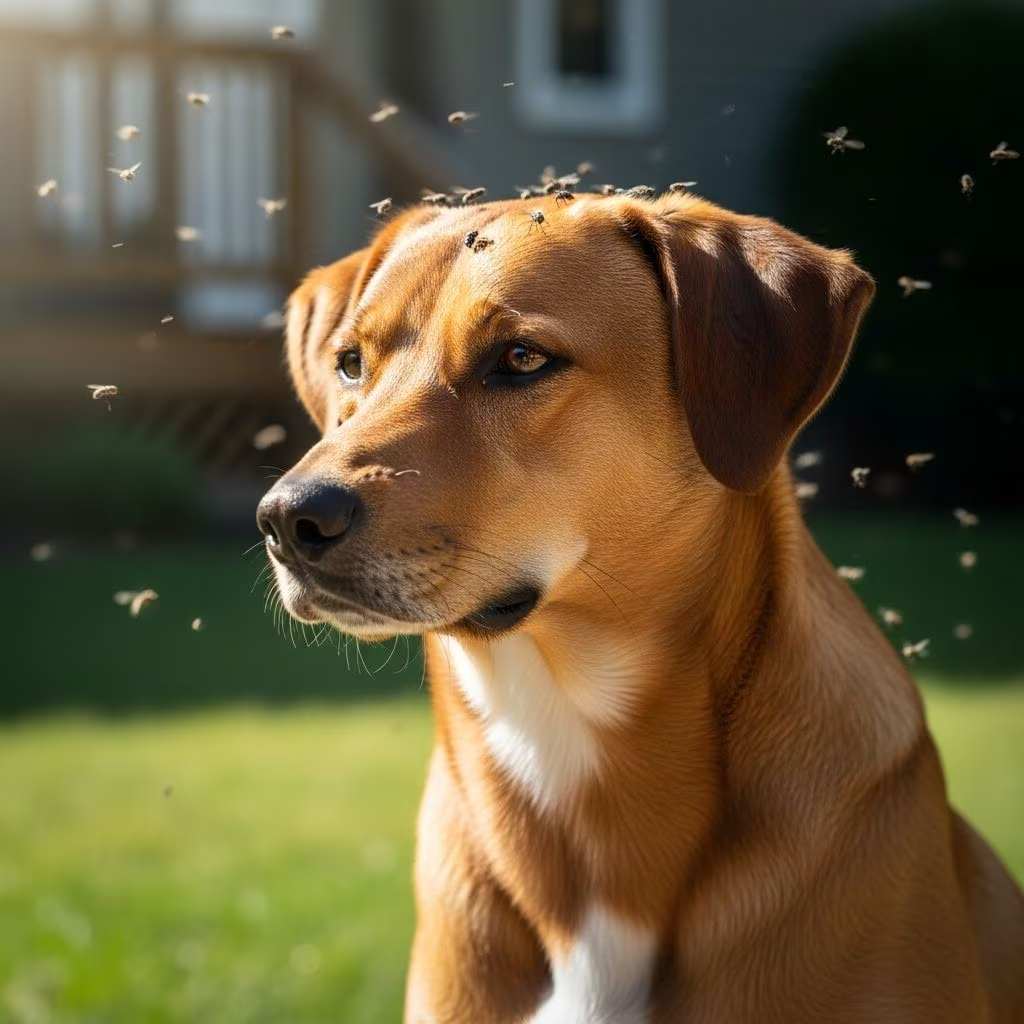
Flies can turn outdoor time into a nightmare for dogs, buzzing around their ears, eyes, and sensitive areas, causing irritation and discomfort. While completely eliminating flies is impossible due to their role in the ecosystem, you can significantly reduce their presence around your furry friend. This guide covers practical, vet-recommended strategies to repel flies naturally, maintain a fly-free yard, and protect your dog’s health. From timing walks to using safe repellents, these tips ensure happier adventures outside.
Although rare, certain flies like stable flies or black flies can carry diseases transmissible to dogs, making prevention essential. Most issues stem from common houseflies attracted to waste, moisture, and unclean fur. By implementing simple habits, you’ll minimize bites, hot spots, and potential infections, keeping your dog comfortable during peak fly seasons.
How to Keep Flies Off Dogs
Reducing fly exposure starts with environmental control and smart routines. Here are proven steps to limit your dog’s encounters with these pests:
Avoiding Walks at Dawn and Dusk
Flies are most active during dawn and dusk when temperatures are cooler and humidity higher. Schedule walks for midday under sunny skies, when flies retreat from heat and light. This simple adjustment can drastically cut down swarms, though balance it with heat safety—avoid peak summer afternoons if your dog overheats easily. Short, shaded morning or evening potty breaks may still be needed, but save longer outings for fly-low periods.
Getting Rid of Standing Water
Standing water in low lawn spots, clogged gutters, old pots, or birdbaths breeds flies rapidly. Inspect your yard weekly: empty containers, fix drainage issues, and refresh birdbath water daily. Aerate soggy areas and consider mosquito dunks (BTI-based, safe for pets) for unavoidable puddles. Dry environments deter egg-laying, reducing local fly populations by up to 70% in treated yards.
Cleaning Up Your Dog’s Poop
Dog feces are fly magnets, serving as food and breeding sites. Scoop poop immediately after every elimination—aim for twice-daily yard checks. Use a pooper scooper and dispose in sealed bags. This breaks the fly life cycle, preventing larvae from hatching and attracting more adults. Consistent cleanup not only repels flies but also prevents parasites and lawn damage.
Keeping Trash Secured
Open garbage draws flies like a beacon. Bag waste tightly, store in lidded bins away from dog zones, and clean cans weekly with vinegar solution. Position bins far from play areas or patios. Compost organic waste separately in sealed systems to avoid fly feasts. These habits starve flies of resources, lowering yard infestations.
Bathing Your Dog Regularly
A clean coat repels flies drawn to dirt, discharge, and residues. Bathe weekly with mild, oatmeal-based shampoos to soothe skin and remove attractants, especially for long-haired breeds prone to matted poop or eye boogers. Focus on ears, rear, and belly. Overbathing strips oils, so use moisturizing conditioners. Baths won’t repel long-term but maintain hygiene that discourages flies.
Washing Your Dog’s Bedding
Bedding traps odors, debris, and skin flakes that lure flies. Launder weekly in hot water with pet-safe detergent, drying thoroughly. Outdoor beds or mats need even more frequent washing. Vacuum surrounding areas to remove crumbs. Fresh bedding creates an unappealing environment for flies indoors and out.
Waiting for Windy Days for Longer Walks
Wind disrupts fly flight, making it hard for them to land. Monitor weather for breezy days (10+ mph) and opt for extended walks then. Avoid gusty storms with flying debris—leash securely and watch for hazards. Fans on patios mimic this effect, creating no-fly zones for lounging pups.
What Repels Flies on Dogs?
Safe repellents are key for direct protection, but options vary by region and fly type. Always consult your vet before applying topicals, as dogs lick and sensitivities occur. Here’s what works:
- Permethrin-based sprays: Effective against biting flies; low-concentration formulas are dog-safe (avoid cats). Apply to coat, avoiding face. Lasts days per application.
- Pyrethrin ointments: Natural-derived, ideal for ears and wounds. Gentle yet potent for sensitive spots.
- Neem oil dilutions: Natural antifungal and insecticidal; mix 1:10 with carrier oil. Test patch first; repels via scent.
- Apple cider vinegar rinses: 1:1 water dilution as post-bath spray. Sour smell deters flies; rinse if irritation occurs (some sources note it may attract).
- Lemon eucalyptus oil: CDC-approved natural; dilute heavily for safety. Refresh daily.
Adding a Fan: Outdoor fans (ceiling or pedestal) generate breezes flies hate. Position near dog beds or play areas—dogs often enjoy the airflow too.
Fly Traps: Sticky traps, baited jars (vinegar/soap/dish mix), or UV zappers reduce local numbers. Place 20+ feet from dogs to avoid tangles or ingestion. Effective indoors/outdoors but won’t eliminate yard-wide populations.
For wounds or hot spots from bites, vet-prescribed fly ointments prevent maggot infestations (myiasis). Never use horse fly sprays undiluted on dogs.
Additional Prevention Tips
Beyond basics, these enhance protection:
- Avoid tall grass and rodent areas—mow weekly, discourage burrows.
- Groom rear ends daily for incontinence-prone seniors.
- Use pet-safe yard sprays (pyrethrin-based) sparingly.
- Protect wounds with cones or vet bandages.
| Method | Pros | Cons | Best For |
|---|---|---|---|
| Timing Walks | Free, immediate | Weather-dependent | Daily routines |
| Yard Cleanup | Long-term reduction | Daily effort | Heavy infestations |
| Topical Repellents | Direct protection | Vet approval needed | Biting flies |
| Fly Traps | Non-toxic | Ugly, pet hazard | Patios |
Bottom Line
Keeping flies off dogs requires a multi-pronged approach: eliminate breeding sites, maintain hygiene, time activities wisely, and use vetted repellents. No single fix works everywhere, so tailor to your climate and dog’s needs. Consult your veterinarian for region-specific advice, especially if bites cause allergies or infections. With consistency, your dog can enjoy fly-free fun.
Frequently Asked Questions (FAQs)
Are flies dangerous to dogs?
Most aren’t, but bites irritate skin, and rare species carry diseases. Maggots in wounds pose serious risks.
Can I use human bug spray on my dog?
No—DEET and others are toxic if licked. Stick to vet-approved pet products.
How often should I clean my yard for flies?
Daily poop scoops, weekly water checks, and mow bi-weekly.
What if my dog has fly bite hot spots?
Bathe with oatmeal, apply vet ointment, and cone to prevent licking.
Do essential oils repel flies safely?
Some like neem do, diluted. Always patch-test and vet-check.
References
- Kinship: How to Keep Flies Off Your Dog — Kinship. 2023. https://www.kinship.com/dog-health/how-to-keep-flies-off-dogs
- PetMD: How To Get Flies off Your Dog — PetMD. 2024-05-15. https://www.petmd.com/dog/general-health/how-to-get-flies-off-your-dog
- CDC: About Mosquitoes and Dracunculiasis — Centers for Disease Control and Prevention. 2025-01-10. https://www.cdc.gov/mosquitoes/about/about-mosquitoes.html
- AVMA: Insect Bite Prevention in Pets — American Veterinary Medical Association. 2024-08-20. https://www.avma.org/resources-tools/pet-owners/petcare/insect-bite-prevention-pets
- USDA: Fly Management Guidelines — United States Department of Agriculture. 2023-11-01. https://www.aphis.usda.gov/plant-health/flies



