

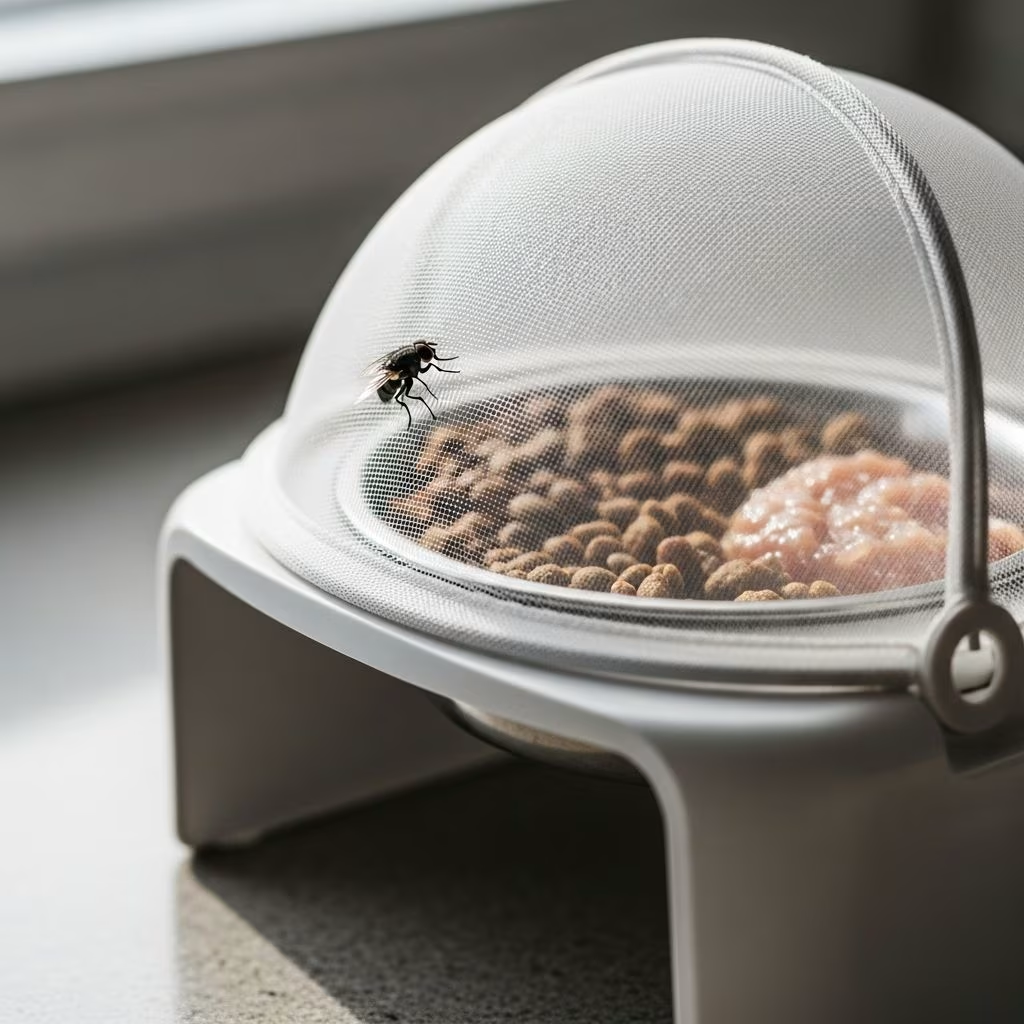
Flies buzzing around your cat’s food bowl can turn mealtime into a nuisance and pose health risks. These pests are drawn to the moisture and nutrients in wet cat food, potentially laying eggs that lead to maggots or spreading bacteria. Protecting your cat’s food not only keeps the feeding area clean but also ensures your pet eats safely without contamination. This comprehensive guide explores proven, cat-safe methods to deter flies, from strategic placement and traps to innovative covers and daily hygiene practices.
Why Flies Are Attracted to Cat Food
Cat food, especially wet varieties, provides an ideal breeding ground for flies due to its high protein content, moisture, and odor. House flies quickly locate exposed bowls, landing to feed and lay eggs within hours. In warm weather, this problem intensifies as food spoils faster, attracting more pests. According to pet care experts, flies can transmit bacteria like Salmonella from unclean surfaces to your cat’s meal, risking gastrointestinal issues for your feline friend. Preventing access is crucial for your cat’s health and reducing food waste.
Choose the Right Feeding Location
The location of your cat’s food bowl plays a pivotal role in fly prevention. Place it in a cool, shaded room away from direct sunlight, windows, and doors where flies enter. Avoid proximity to the litter box, as odors and waste draw flies indoors. Elevating the bowl slightly off the ground discourages crawling pests and keeps it drier. In multi-pet homes, designate a fly-free zone to minimize competition and contamination. A well-chosen spot can significantly cut fly activity before it starts.
- Select indoor areas with good ventilation but no drafts carrying flies.
- Keep at least 10 feet from entry points and garbage bins.
- Use mats under bowls for easy cleanup of spills that attract pests.
Use Fly Traps and Papers Safely
Fly traps and sticky papers offer an effective first line of defense. Position them near the feeding area but out of your cat’s reach to avoid accidental contact. Commercial traps lure flies with scents, while homemade versions use inverted plastic bottles filled with water, dish soap, and bait like overripe fruit. The soap breaks surface tension, drowning flies that enter. Fly ribbons hung discreetly above work well in kitchens, capturing pests before they reach the bowl. Always opt for non-toxic, pet-safe options to protect curious cats.
For flying pests, UV light traps provide a discreet solution, silently adhering insects to internal glue boards without zaps or chemicals. Place these in enclosed feeding spaces for round-the-clock protection.
| Method | Pros | Cons | Best For |
|---|---|---|---|
| Fly Paper/Strips | Inexpensive, easy to hang | Visible, messy disposal | Small areas |
| Homemade Traps | Cost-free, customizable | Requires maintenance | Outdoor colonies |
| UV Fly Traps | Discreet, chemical-free | Higher cost | Indoor kitchens |
Cover Your Cat’s Food
Covered bowls are a game-changer for fly prevention. Lidded feeders seal food when not in use, blocking access while keeping it fresh longer. Microchip-activated models, like those from Sure Petcare, open only for your cat via RFID tag, ideal for multi-cat households to prevent theft and flies. These sealed systems maintain moisture balance, reducing spoilage odors that summon pests. For simple solutions, use bowls with manual slide lids or pet-safe mesh covers during grazing periods.
In cat colonies or outdoor feeding, weighted lids or fly screens over communal bowls limit exposure without restricting access. Transition your cat gradually to covered feeders by placing familiar food inside to encourage use.
Maintain Strict Hygiene and Cleaning Routines
Daily cleaning is non-negotiable. Remove uneaten wet food within 20-30 minutes to deny flies a foothold. Wash bowls with hot soapy water or pet-safe disinfectants, scrubbing residue that harbors bacteria. Wipe feeding areas to eliminate crumbs and spills. For dry food, store in airtight metal or thick plastic containers elevated off floors, checking weekly for infestations. Refrigerate leftovers promptly and discard spoiled portions outside to avoid indoor fly cycles.
- Daily: Pick up uneaten food, wash bowl.
- Weekly: Deep clean storage bins, inspect for pests.
- Monthly: Vacuum feeding zones, launder mats.
Natural Repellents and Safe Alternatives
Pet-safe natural options deter flies without chemicals. Diatomaceous earth (food-grade) sprinkled around feeding areas dehydrates insects harmlessly to cats. Essential oils like diluted peppermint or lavender can repel via scent, but test small areas first and consult vets, as some are toxic to felines. Vinegar sprays on surfaces (not food) disrupt fly trails. Avoid pyrethrin-based products on cats, as they can be lethal.
For persistent issues, combine methods: traps plus covers yield best results. In humid climates, increase frequency due to year-round activity.
Dealing with Fly Eggs and Spoilage
If eggs appear (tiny white clusters), discard food immediately in an outdoor bin. Clean the bowl thoroughly and surrounding area to break the cycle. Monitor for maggots, which indicate advanced infestation—prevent by acting fast. Proper storage and quick removal minimize risks.
Seasonal and Regional Considerations
Summer heat accelerates fly problems, so prioritize covers and traps. In fall/winter, rodents may seek indoor food; seal entry points. Humid regions face constant ants and flies—elevate storage and clean rigorously. Outdoor colonies need sheltered, screened stations.
Benefits of Fly Prevention
Beyond pest control, these habits promote healthier eating, reduce waste, and save money. Fresher food encourages complete meals, aiding weight management and nutrition.
Frequently Asked Questions (FAQs)
What attracts flies to cat food most?
Wet food’s moisture and protein draw flies quickly, especially leftovers left out over 30 minutes.
Are fly traps safe around cats?
Yes, if placed out of reach. Use non-toxic glue boards or UV traps to avoid ingestion risks.
Can I use essential oils near cat food?
Diluted peppermint may repel, but many oils are toxic to cats—vet approval essential.
How often should I clean cat bowls?
After every meal for wet food; daily for dry to prevent bacterial buildup.
What if flies persist in outdoor colonies?
Use screened stations, timed feeding, and natural diatomaceous earth barriers.
References
- How to keep flies off wet cat food — Sure Petcare. 2019-06-20. https://www.surepetcare.com/en-us/advice-news/cat-care/seasonal-cat-care/how-to-keep-flies-off-wet-cat-food
- Pet Food & Pests: Your Guide to Safe Pest Control — Catchmaster. 2023-01-01. https://www.catchmaster.com/blogs/news/pet-food-and-pests-your-guide-to-safe-pest-control
- How To Keep Flies Off Your Pets — Lambert Vet Supply. 2022-05-15. https://www.lambertvetsupply.com/blogs/news/keep-flies-off-your-pets



