

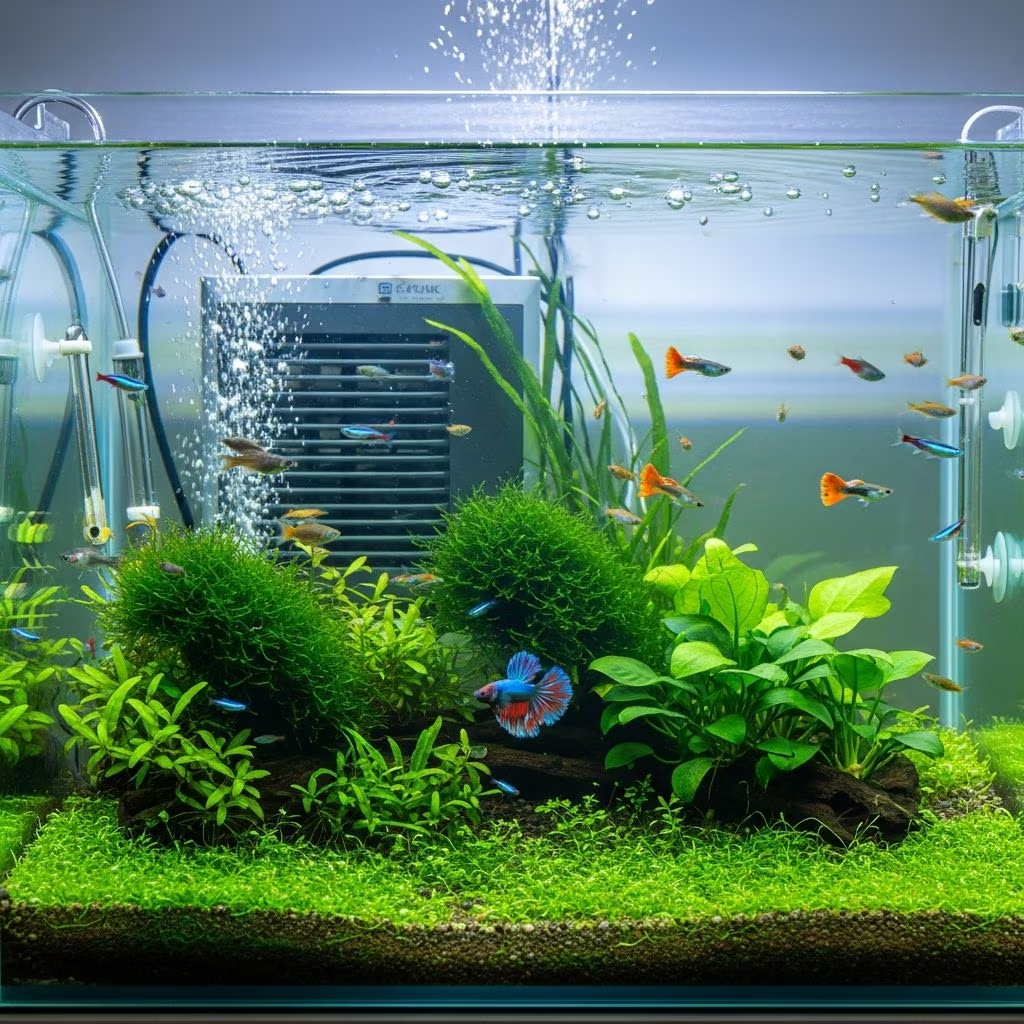
How to Keep a Fish Tank Cool: Essential Tips for Year-Round Comfort
Maintaining the right water temperature is crucial for the health and wellbeing of your aquatic pets. When temperatures rise, particularly during summer months, your fish tank can quickly become uncomfortably warm, posing serious risks to your fish, plants, and the overall ecosystem you’ve carefully cultivated. Understanding how to keep a fish tank cool is essential knowledge for any aquarium hobbyist. This comprehensive guide explores multiple strategies to help you maintain optimal water temperatures and keep your underwater companions thriving.
Why Tank Temperature Matters
Fish are cold-blooded creatures that depend entirely on their environment to regulate body temperature. When water becomes too warm, it reduces dissolved oxygen levels, accelerates metabolic rates, and can trigger stress responses in your fish. Some species, particularly cold-water fish and sensitive species like axolotls, are especially vulnerable to temperature fluctuations. Understanding the importance of temperature control is the first step toward becoming a responsible aquarium keeper.
Monitor Your Tank Temperature Regularly
Before implementing cooling strategies, you need to establish a baseline understanding of your tank’s temperature patterns. Invest in a reliable aquarium thermometer and check it multiple times daily, particularly during warmer months. This helps you identify when temperatures rise above safe levels for your specific fish species. Most tropical aquariums should stay between 76-78°F (24-26°C), while cold-water tanks require temperatures closer to 68-72°F (20-22°C). By monitoring consistently, you can catch temperature problems before they become critical.
Simple Environmental Adjustments
Reduce Ambient Heat Sources
The easiest and most cost-effective cooling method is to eliminate unnecessary heat sources around your aquarium. Start by identifying and removing or turning off equipment that generates heat. This includes aquarium heaters during warmer months, UV sterilizers, protein skimmers, and high-output lighting systems. If you use T5 or metal halide lights, consider reducing their operating hours or switching to cooler LED alternatives. Even small changes in your lighting schedule can significantly reduce heat accumulation in your tank.
Optimize Tank Placement
Where you position your aquarium dramatically affects its temperature. Move your tank away from direct sunlight, windows, and heat-emitting appliances. If you have multiple tanks, place cold-water species in the lowest tanks or basement areas, as heat naturally rises. Many dedicated aquarists keep temperature-sensitive species like axolotls in basements year-round, where cooler air naturally settles. Additionally, close curtains and blinds to reduce solar heat gain through windows during the hottest parts of the day.
Improve Air Circulation
Proper airflow around and within your aquarium helps dissipate heat more efficiently. Leave the top of your tank open to allow heat to escape naturally. Use a room fan pointed toward your aquarium to increase air circulation without blowing directly on the water surface. This simple technique can lower temperatures by several degrees without any financial investment. Ensure adequate space around your tank for air to circulate freely, and avoid placing your aquarium in confined spaces or against walls that restrict airflow.
Evaporative Cooling Techniques
Evaporative cooling works through the same principle your body uses when perspiring in heat—water evaporation removes thermal energy from the environment. This natural process can lower tank temperature by several degrees without electrical equipment. Position your filter’s outflow to create strong surface agitation, which encourages water to contact air and evaporate more readily. Use bubble-driven filters or aerators instead of submersible filters, as motorized equipment generates substantial heat. The more surface movement you create, the more effective evaporative cooling becomes. However, remember that increased evaporation means you’ll need to top off your tank more frequently with fresh, dechlorinated water to maintain proper water levels.
Active Cooling Solutions
Aquarium Cooling Fans
For modest temperature reductions of 2-4°C, cooling fans offer an affordable, easy-to-install solution. These clip-on fans blow across your tank’s water surface, dramatically increasing evaporation rates. They work best with open-top aquariums or those with screen lids rather than solid glass covers. Cooling fans are low-maintenance, quick to set up, and can be tucked away during cooler months. Most modern cooling fans include thermostats that automatically shut off once your desired temperature is reached. The primary drawbacks are increased noise levels and higher water evaporation requiring more frequent top-offs. For tanks over 100 liters, consider using two fans for optimal cooling efficiency.
Aquarium Chillers
For serious temperature control, an aquarium chiller is the most reliable solution. These refrigerated units work similarly to canister filters, with hoses drawing water out of your tank, cooling it in the chiller unit, and returning the cooled water to your aquarium. Chillers offer precise temperature control and can maintain stable conditions regardless of ambient room temperature. They’re particularly valuable for densely stocked tanks, planted aquariums where heat buildup occurs quickly, and sensitive species requiring specific temperature ranges. Refrigerated chillers are expensive but highly effective. Thermoelectric chillers like the Ice Probe are more affordable but less powerful, typically reducing temperature by only a few degrees in larger tanks. For the best year-round temperature management, consider installing a dual heating and cooling controller that manages both winter warmth and summer cooling.
Emergency Cooling Methods
Frozen Water Bottles
When immediate cooling is necessary, frozen water bottles provide quick temperature reduction. Fill clean, food-safe bottles with dechlorinated water and freeze them completely. Float these bottles in your tank or sump to slowly release cold water as they thaw. This method is particularly useful during temperature emergencies but requires constant attention, as ice melts quickly and must be replaced frequently to maintain effectiveness. To prevent thermal shock, place bottles in restricted areas where fish cannot contact them directly, such as filter compartments or sumps. Alternatively, wrap bottles in plastic bags or thin cloth to slow cooling and reduce direct contact risk. While effective for emergencies, this method proves too labor-intensive for regular use.
Partial Water Changes
Performing small water changes with slightly cooler water can gradually lower tank temperature during heat waves. However, this method works best when combined with other cooling techniques rather than as a standalone solution. Use water that’s closer to room temperature rather than ice-cold to avoid shocking your fish.
Advanced Insulation Strategies
While cooling your tank, simultaneously prevent outside heat from entering. Cover the back and side walls with reflective insulation to create a thermal barrier. Double-bubble reflective foil insulation, which looks like thin aluminum bubble wrap, works exceptionally well. It’s lightweight, easy to cut to size, and can be attached with regular tape. During severe heat waves, you can even cover the front panel temporarily. This defensive approach prevents heat from permeating your tank as quickly, maintaining lower temperatures achieved through active cooling methods.
Filter Selection for Heat Management
Your filter choice significantly impacts heat generation. Motor-driven filters produce substantial heat, so select filters with the lowest wattage possible, as watts directly correlate with heat production. Bubble-driven filters generate minimal heat and provide gentle water circulation ideal for heat reduction. When choosing between filter types, prioritize those designed to produce less thermal output. This simple equipment selection strategy contributes meaningfully to overall temperature management.
Comparison of Cooling Methods
| Cooling Method | Temperature Reduction | Cost | Ease of Use | Best For |
|---|---|---|---|---|
| Environmental Adjustments | 1-2°C | Free | Very Easy | Prevention and minor temperature issues |
| Evaporative Cooling | 2-3°C | Free to $50 | Easy | Open-top tanks with moderate heat |
| Cooling Fans | 2-4°C | $30-100 | Easy | Medium-sized tanks needing quick setup |
| Frozen Bottles | 2-5°C | Free | Moderate (labor-intensive) | Emergency cooling only |
| Aquarium Chiller | Up to 10°C | $200-1000+ | Moderate (installation) | Sensitive species and precise control |
Developing Your Cooling Strategy
The best approach combines multiple techniques tailored to your specific situation. Start with environmental adjustments—removing heat sources, optimizing placement, and improving circulation. Add evaporative cooling through surface agitation and proper filter selection. For additional cooling needs, invest in a clip-on fan. Reserve chillers for situations requiring precise temperature control or when other methods prove insufficient. Your strategy should be proactive during normal seasons and rapidly deployed during heat waves to protect your aquatic ecosystem.
Seasonal Cooling Considerations
Implement cooling strategies before summer arrives to avoid emergency situations. Test equipment in spring to ensure everything functions properly. As temperatures cool in fall, gradually reduce cooling while increasing heating equipment as needed. Year-round monitoring ensures you catch temperature fluctuations early, allowing smooth transitions between seasons and preventing stress to your fish.
Frequently Asked Questions
Q: What is the ideal temperature for most aquariums?
A: Most tropical freshwater aquariums thrive at 76-78°F (24-26°C), while cold-water tanks require 68-72°F (20-22°C). Specific species have unique requirements, so research your fish’s ideal temperature range.
Q: Can I use ice cubes directly in my tank?
A: No, avoid placing ice cubes directly in your tank as they can cause thermal shock. Always use sealed bottles or food-safe containers filled with dechlorinated water, and restrict fish access to these items.
Q: How often should I monitor tank temperature?
A: Check your aquarium temperature at least twice daily, especially during warm months. More frequent monitoring during heat waves helps catch problems quickly.
Q: Will cooling fans work with covered tanks?
A: Cooling fans work best with open-top tanks or screen lids. Solid glass covers trap heat and significantly reduce fan effectiveness.
Q: How much will an aquarium chiller cost?
A: Refrigerated chillers typically cost $200-1000+ depending on tank size and cooling capacity. Thermoelectric chillers are less expensive but also less powerful.
Q: What happens if my fish experience thermal shock?
A: Thermal shock causes stress, reduced immunity, and can lead to disease or death. Always make temperature changes gradually to prevent this dangerous condition.
References
- Beat the Heat: 10 Tips to Keep Your Aquarium Cool This Summer — Bulk Reef Supply. 2024. https://fresh.bulkreefsupply.com/content/post/beat-the-heat-tips-for-keeping-your-aquarium-cool-this-summer
- 5 Easy Methods for Cooling Aquarium Water During a Heat Wave — Aquarium Coop. 2024. https://www.aquariumcoop.com/blogs/aquarium/5-ways-to-cool-aquarium-water
- Aquarium Cooling Methods — Caudata.org. https://www.caudata.org/cc/articles/cooling.shtml
- How to Keep Your Aquarium Cool in Summer — Aquacadabra. 2024. https://aquacadabra.com/blogs/news/how-to-cool-your-aquarium
- Cooling an Aquarium — Aquasabi. https://www.aquasabi.com/aquascaping-wiki_aquarium_cooling-an-aquarium
- Aquarium Cooling: Protect Livestock from Summer Heat — Green Aqua. 2024. https://greenaqua.hu/en/blog/post/aquarium-cooling-protect-livestock-from-summer-heat



