

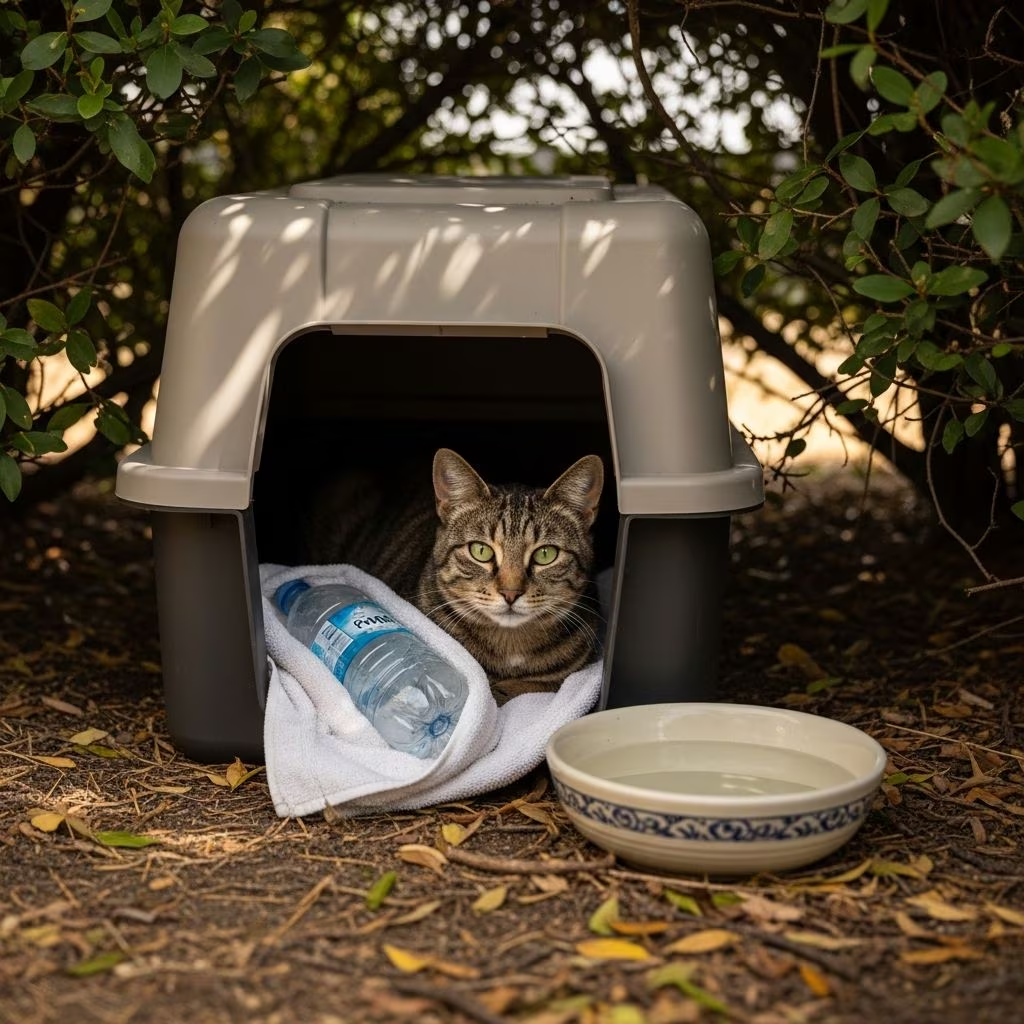
Feral cats, also known as community cats, face significant risks during scorching summer months when temperatures soar. These outdoor felines lack access to air-conditioned homes, making them vulnerable to dehydration, heatstroke, and paw burns. With body temperatures naturally higher than humans—around 100.5–102.5°F—cats tolerate heat better than people but still need assistance in extreme conditions. Providing shade, fresh water, and cooling shelters can be lifesavers. This guide outlines practical, humane strategies to help feral cats stay cool, drawing from expert recommendations to ensure their well-being.
Understanding Heat Risks for Feral Cats
Summer heat poses multiple threats to feral cats. Direct sunlight can raise ground temperatures to dangerous levels, burning sensitive paw pads on asphalt or concrete that can exceed 140°F on days when air temperature hits 90°F. Dehydration sets in quickly as cats pant to cool off, losing vital fluids. Heatstroke symptoms include rapid breathing, lethargy, drooling, and vomiting, which can be fatal without intervention. Feral cats seek natural shade under decks or bushes, but urban environments often lack sufficient cover. Proactive measures like hydration stations and insulated shelters mitigate these dangers effectively.
Cats cool themselves through grooming, seeking cool surfaces, and limited sweating via paw pads. However, in prolonged heat waves, these mechanisms fail, especially for kittens, seniors, or sick cats. Studies from animal welfare organizations emphasize that community cats in managed colonies survive better with human aid during heat extremes.
Provide Ample Fresh, Cool Water
Water is the cornerstone of summer survival for feral cats. Place multiple shallow bowls in shaded areas to prevent rapid evaporation and heating. Refresh water at least twice daily, more often in intense heat, to avoid contamination from dirt, insects, or wildlife.
- Freeze ice blocks: Fill plastic cups or bottles with water, freeze overnight, and add to bowls for slow-melting refreshment. This keeps water cool for hours without startling cats if cubes are small.
- Use cooling bowls: Specialized pet bowls that retain cold for up to 15 hours simplify maintenance. Pair with filtered reservoirs to ensure constant supply.
- Location tips: Space bowls 20–30 feet apart around colonies to reduce competition and cover more territory.
Avoid milk or sugary liquids, as they cause digestive issues. Monitor bowls for ants by elevating them or using ant-proof designs.
Create Shaded Resting Areas
Shade reduces ambient temperature by up to 10–20°F, offering critical relief. Feral cats avoid direct sun during peak hours (10 AM–4 PM), preferring cool spots to nap and recover.
- Natural shade: Plant bushes or trees, or use existing structures like porches, decks, or under vehicles.
- Artificial covers: Hang tarps, umbrellas, or canopies over feeding stations and bedding areas. Ensure secure anchoring against wind.
- Raised platforms: Elevated cots or beds keep cats off hot ground, improving airflow. Canopy-covered options enhance cooling.
Feed in shaded spots during cooler dawn or dusk hours to encourage use without heat stress.
Build or Provide Cooling Shelters
Insulated shelters mimic natural dens, staying 10–15°F cooler than ambient air. DIY options are affordable and customizable for feral colonies.
Styrofoam Cooler Shelter Method
- Select a sturdy Styrofoam cooler from grocery stores or recycling.
- Repair cracks with Styrofoam adhesive or duct tape.
- Outline and cut 6–8 inch diameter entrances using a serrated knife; one or two holes based on size and predator risks.
- Add floor insulation with extra Styrofoam scraps.
- Tape lid securely; wrap exterior in black trash bags for waterproofing and heat reflection.
- Fill with 3–4 inches of straw bedding (not hay, which molds).
- Weigh down with bricks or wood; elevate on pallets for airflow.
For larger colonies, connect multiple coolers. Place in shaded, wind-protected spots away from traffic. Frozen water bottles inside or nearby boost cooling.
Pre-built shelters from pet suppliers work too, but DIY saves costs while repurposing materials.
Enhance Hydration Through Food
Cats derive much water from prey, but feral diets demand supplementation. Wet food boosts intake by 70–80%.
- Mix water into canned food: Add cool water to create soupy consistency, preventing drying in heat and increasing moisture.
- Dry kibble alternative: Opt for kibble in extreme humidity as it resists spoilage and insects better than wet food. Use ant-proof bowls.
- Feeding schedule: Serve small, frequent meals in shade to avoid attracting pests.
Nutrient-dense food supports energy needs in heat; avoid overfeeding to prevent obesity.
Protect Sensitive Paw Pads
Paw pads burn easily on hot surfaces. Asphalt reaches 50°F above air temperature, causing blisters and limping.
- Cool paths: Create shaded dirt or grass trails to shelters and water from hot pavement.
- Paw soaks: Offer shallow cool water pans for voluntary dipping.
- Bootstrap ramps: Use wood pallets or mats to cover scorched areas.
Monitor for limping; provide soft bedding in shelters for healing.
Additional Cooling Strategies
Beyond basics, innovative aids help:
- Frozen treats: Offer ice cubes laced with tuna juice (sparingly) for licking.
- Flea control: Treat shaded areas, as fleas thrive in summer.
- Indoor access: If safe, allow garage or screened porch entry during peaks.
- Monitor weather: Act early in heat advisories.
Frequently Asked Questions (FAQs)
What are signs of heatstroke in feral cats?
Rapid panting, glazed eyes, staggering, excessive drooling, or collapse. Move to shade, offer cool water slowly, and contact rescuers if severe.
How often should I refresh water bowls?
At least twice daily; more in 90°F+ heat. Check for debris or wildlife use.
Can I bring feral cats indoors?
If trap-neuter-return (TNR) friendly and space allows, yes for AC relief. Otherwise, focus on outdoor setups.
What’s the best bedding for summer shelters?
Straw allows airflow and wicks moisture; change weekly to prevent mold.
Do feral cats drink from birdbaths?
Often, but dedicated clean bowls prevent disease spread and ensure reliability.
Table: Quick Summer Care Checklist
| Task | Frequency | Tips |
|---|---|---|
| Water refresh | 2x daily | Add ice; multiple shaded bowls |
| Shade check | Daily | Secure tarps; add covers |
| Shelter maintenance | Weekly | Refresh straw; inspect for damage |
| Food provision | Dawn/dusk | Wet mix or kibble in shade |
| Paw path clearing | Daily | Grass/dirt access to cool areas |
References
- 9 Ways To Help Feral Cats During Hot Summer Months — TheCatSite. 2023. https://thecatsite.com/c/9-ways-to-help-feral-cats-during-hot-summer-months/
- How to Keep Feral Cats Cool in the Summer — K&H Pet Products. 2024. https://khpet.com/blogs/cats/how-to-keep-feral-cats-cool-in-the-summer
- Protecting Community Cats from the Summer Heat — Animal League. 2023. https://www.animalleague.org/blog/advice/diy-summer-cat-shelters/
- Top Tips to Help Community Cats in Extreme Heat — Alley Cat Allies. 2024. https://www.alleycat.org/top-tips-to-help-community-cats-in-extreme-heat/
- 5 Tips for Helping Stray and Feral Cats During Summer — PetMD. 2023. https://www.petmd.com/cat/slideshows/adoption/helping-homeless-cats-through-the-summer



