

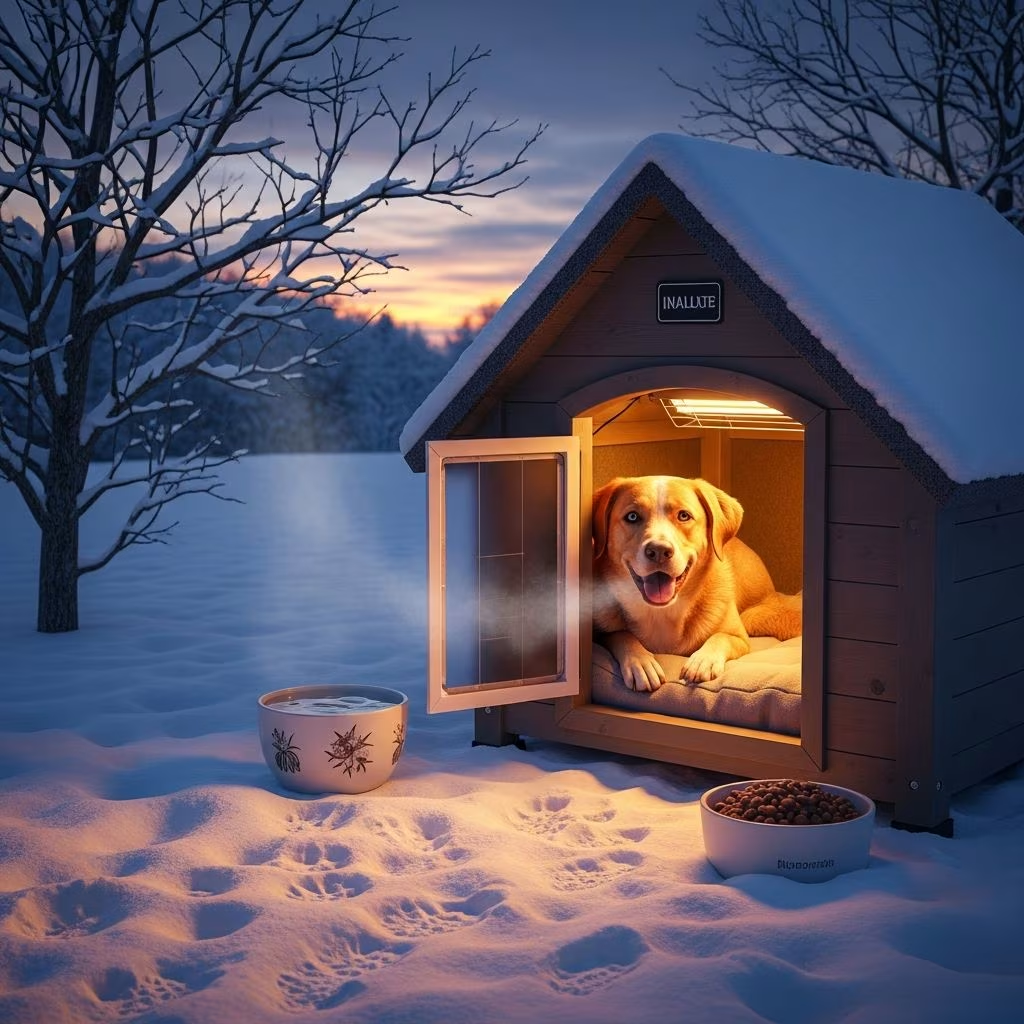
How to Keep Dogs Warm Outside in Winter
Winter brings beautiful snowy landscapes and exciting opportunities for outdoor adventures with your dog. However, cold temperatures present unique challenges for pet owners who want to maintain their dog’s health and safety during the chilly months. Understanding how to properly protect your dog from winter’s harsh conditions is essential for ensuring they can enjoy outdoor activities comfortably and safely.
Understanding Your Dog’s Cold Tolerance
Not all dogs are created equal when it comes to handling cold weather. Just like humans, each dog has a unique tolerance for freezing temperatures that depends on several factors including breed, coat type, age, size, and overall health. Dogs with thick, double coats such as Huskies, Malamutes, and German Shepherds are naturally equipped to handle colder climates, while short-haired breeds like Greyhounds, Chihuahuas, and Boxers are more vulnerable to cold temperatures.
Puppies and senior dogs have a particularly difficult time regulating their body temperature and should be given extra protection during winter months. A good rule of thumb is: if it’s too cold for you in your winter coat, it’s too cold for your dog. Pay close attention to your dog’s behavior during outdoor outings. If you notice signs of discomfort such as shivering, reluctance to walk, lifting their paws frequently off the ground, or attempting to head back inside, these are clear indicators that your dog may be reaching their cold threshold.
Essential Winter Gear for Dogs
Investing in proper winter gear is one of the most effective ways to extend your dog’s time outdoors during cold weather. The right clothing and protective equipment can make a significant difference in keeping your dog comfortable and safe.
Dog Coats and Sweaters
If your dog has a short coat or shows signs of being bothered by cold weather, a sweater or insulated dog coat is an excellent investment. These garments help retain body heat and protect your dog’s core from frigid temperatures. When selecting a coat, ensure it covers your dog’s neck, belly, and back for maximum protection. It’s wise to have several dry coats or sweaters on hand so you can change into a dry one each time your dog comes inside from playing in the snow. Wet clothing can actually make your dog colder, so always prioritize dry gear. Choose coats that fit properly without being too tight or too loose, as improper fit can reduce their effectiveness.
Protective Booties and Paw Gear
Your dog’s paws are particularly vulnerable during winter months. Paw protection made specifically for dogs, like boots or shoes, helps them remain outdoors and on trails longer while protecting against cold, ice, snow, and harmful chemicals. Booties serve multiple protective functions: they shield paw pads from freezing temperatures, prevent salt and ice melt chemicals from irritating sensitive skin, and keep snow and ice from accumulating between toe pads. When selecting booties, ensure they fit properly, as improper-fitting boots can cause discomfort and may be rejected by your dog.
Eye Protection
Dogs with light-colored eyes or those with certain eye conditions like Pannus may benefit from dog goggles when adventuring in snowy environments. Snow reflects intense sunlight, which can cause eye strain and discomfort. Protective goggles also shield eyes from wind, ice particles, and reflected UV rays.
Paw Care and Protection Strategies
Paw care becomes especially important during winter months when dogs are exposed to multiple threats including ice, snow, salt, and chemical de-icers. Proper paw maintenance prevents injuries, infections, and painful conditions.
Pre-Outing Paw Protection
Before heading outdoors, massage petroleum jelly or another veterinarian-approved paw balm into your dog’s paw pads to create a protective barrier against freezing temperatures, salt, and chemical agents. This simple step provides significant protection without requiring booties if your dog is resistant to wearing them. Apply the balm generously to all paw pads and between the toes.
Post-Outing Paw Care
After every winter walk or outdoor adventure, wash and dry your dog’s paws thoroughly to remove lingering salt, ice, chemicals, and snow. Pay special attention to the areas between toe pads where snow and ice can accumulate and cause irritation or cracking. Use a warm (not hot) towel to dry paws completely. For dogs with cracked or dry paw pads, consider using a moisturizer specifically formulated for dog paws or even products designed for cow udders, which are highly effective for soothing irritated pads. After applying moisturizer, keep your dog busy with a puzzle toy or treat so they don’t immediately lick off the product.
Snow and Ice Removal
Remove any accumulated snow from between your dog’s foot pads after outdoor activities, as snow and ice can cause discomfort and lead to infections. Additionally, consider using pet-friendly ice melts in your yard and on walkways, as traditional salt-based ice melts can irritate your dog’s paws and be toxic if ingested.
Managing Outdoor Time in Winter
While winter activities can be enjoyable, it’s crucial to manage how much time your dog spends outdoors in freezing temperatures to prevent cold-related injuries.
Gradual Acclimation to Cold
Before expecting your dog to enjoy extended periods outside in winter, gradually acclimate them to cold temperatures. Start with short sessions outdoors and slowly increase duration to give your dog’s body time to adjust to the cold. According to veterinary experts, the key to successful cold acclimation is observing your dog’s response. If your dog seems fine and isn’t shivering or trying to get inside, it’s perfectly acceptable for them to stay outside for longer periods as long as they’re building up to it gradually.
Limiting Outdoor Duration
In freezing temperatures, limit outdoor time even with proper gear. If your dog loves playing in snow or hiking on cold trails, plan for shorter but more frequent outings rather than extended periods outside. This approach keeps your dog physically and mentally stimulated while minimizing exposure to extreme cold. During particularly cold days or extreme weather conditions, don’t hesitate to keep your dog indoors entirely.
Efficient Bathroom Breaks
Make bathroom breaks more efficient by shoveling a patch of grass so your dog has a designated spot to use immediately. If there are areas with more protection from snow, ice, and wind, encourage your dog to go there instead. Offer treats after successful bathroom trips to reinforce the behavior and prevent indoor accidents.
Indoor Enrichment for Cold Days
On particularly cold days when outdoor activities aren’t safe or practical, provide engaging indoor enrichment to keep your dog mentally and physically stimulated. Puzzle toys, training sessions, scent games, and indoor agility courses built from household items can burn energy and prevent boredom without exposing your dog to harsh winter conditions.
Winter Nutrition for Active Dogs
Staying warm in colder weather requires significant energy, so it’s important to feed your dog a quality, nutrient-dense food to support their increased metabolic needs during winter. Dogs that remain active outdoors in cold temperatures burn more calories to maintain body heat. Consider adjusting portion sizes and selecting formulas with appropriate protein-to-fat ratios that help fuel dogs’ metabolic needs and maintain lean muscle mass. Consult your veterinarian about whether your dog’s current diet is adequate for their winter activity level.
Recognizing and Preventing Cold-Related Injuries
Understanding the signs of cold-related injuries helps you identify problems early and seek veterinary care promptly.
Hypothermia and Frostbite
Hypothermia occurs when a dog’s body temperature drops dangerously low, while frostbite involves freezing of skin and tissues. Signs of hypothermia include excessive shivering, weakness, lethargy, and confusion. Frostbite typically affects ears, tail, and paw pads and may not be immediately apparent. If you suspect your dog has hypothermia or frostbite, consult your veterinarian immediately.
Warming Your Dog
If your dog seems cold during or after outdoor activities, cover them with a towel or blanket to raise body temperature gradually. You can also use a blow dryer on a low setting, but never heat paw pads directly as they could burn easily. Instead, heat rice in a sock to place near paw pads (test against your wrist first to ensure it’s not too hot).
Coat and Skin Care During Winter
Winter weather affects your dog’s skin and coat health through dry air, temperature fluctuations, and exposure to harsh chemicals.
Maintaining Your Dog’s Coat
Never shave your dog down to the skin during winter months, as a longer coat provides essential insulation and warmth. However, trim your dog’s coat strategically to prevent clumps of ice and salt from forming in the fur, especially between toes. For short-haired dogs, a properly fitted coat or sweater becomes even more essential. A balanced approach of maintaining adequate coat length while preventing matting is ideal.
Skin Health
To prevent itchy, flaking skin caused by winter’s dry conditions, keep your home humidified and towel dry your dog as soon as they come inside from outdoor activities. Ensure you dry their entire body, paying special attention to paws and between toes. Consider using humidifiers during particularly dry winter months to maintain optimal moisture levels in your home.
Safety Precautions for Winter Activities
Beyond temperature management, several safety concerns are specific to winter outdoor activities.
Frozen Water Hazards
When walking your dog, stay away from frozen ponds, lakes, and other bodies of water. You cannot reliably determine if ice will support your dog’s weight, and if your dog breaks through, it could be deadly. Keep your dog on a leash when walking near frozen water to prevent them from running onto questionable ice.
Leash Requirements
Never let your dog off-leash on snow or ice, especially during snowstorms. Dogs can lose their scent in the snow and become easily lost. More dogs are lost during winter than any other season, so always keep your dog on a secure leash during winter walks.
Identification and Microchipping
Always ensure your dog wears a properly fitting ID tag when outdoors during winter. Additionally, have your dog microchipped so they can be identified if they become lost. Winter conditions make it particularly easy for dogs to wander and become separated from their owners.
Emergency Preparedness
Winter weather can bring unexpected blizzards and power outages that disrupt normal routines. Prepare an emergency kit that includes at least five days’ worth of food, water, and any prescription medications your dog requires. Include heartworm and flea/tick preventives, first aid supplies, and comfort items to help your dog remain calm during emergencies.
Toxic Substances to Avoid
Winter maintenance products pose significant dangers to dogs. Antifreeze is highly toxic and can be lethal even in small quantities. Clean up any spills immediately and store antifreeze securely away from your dog’s access. Watch out for rock salt and chemical de-icers on walkways, and rinse your dog’s paws after exposure to prevent ingestion of these harmful substances.
Frequently Asked Questions
Q: At what temperature is it too cold for dogs to be outside?
A: Generally, if it’s too cold for you to be comfortable in your winter coat, it’s too cold for your dog. Most dogs can handle temperatures down to about 32°F (0°C) with appropriate gear, but temperatures below 20°F (-6°C) require extra caution. Extreme cold below 0°F (-18°C) should be avoided entirely unless your dog is specifically bred for harsh climates.
Q: Do all dogs need winter coats?
A: No, not all dogs require winter coats. Dogs with thick, double coats are naturally insulated. However, short-haired breeds, small dogs, puppies, senior dogs, and dogs with health conditions typically benefit from protective coats during winter months.
Q: How often should I check my dog’s paws during winter?
A: Check your dog’s paws after every outdoor excursion during winter. Look for signs of injury, cracking, or excessive dryness. Clean paws thoroughly to remove salt and chemicals, and apply protective balm as needed.
Q: Can dogs get frostbite?
A: Yes, dogs can develop frostbite, particularly on extremities like ears, tail, and paw pads. Watch for signs of pain, discoloration, or tissue damage. If you suspect frostbite, contact your veterinarian immediately.
Q: What should I do if my dog seems reluctant to go outside in winter?
A: If your dog resists outdoor time, it may indicate they’re uncomfortable in the cold. Ensure they have adequate protective gear, limit outdoor duration, and provide positive reinforcement. If reluctance persists, consult your veterinarian to rule out underlying health issues.
References
- Winter Weather 101: Keeping Your Dog Safe in Cold Temperatures — Rex Specs. https://www.rexspecs.com/blogs/news/winter-weather-101-keeping-your-dog-safe-in-cold-temperatures
- 6 Winter Safety Tips for Dogs With Active Lifestyles — Purina. https://www.purina.com/articles/dog/health/routine-care/winter-safety-tips
- Cold Weather Animal Safety — American Veterinary Medical Association. https://www.avma.org/resources-tools/pet-owners/petcare/cold-weather-animal-safety
- 10 Ways to Keep Your Pets Safe When It’s Bitter Cold Outside — American Red Cross. https://www.redcross.org/about-us/news-and-events/news/Winter-Safety-Tips-for-Your-Pets.html
- Cold Weather Safety Tips — ASPCA. https://www.aspca.org/pet-care/general-pet-care/cold-weather-safety-tips
- Winter Pet Safety Tips — Commonwealth of Massachusetts. https://www.mass.gov/info-details/winter-pet-safety-tips
- Cold Weather Safety Tips for Pets — Nashville Humane Association. https://nashvillehumane.org/cold-weather-safety-tips-for-pets/



