

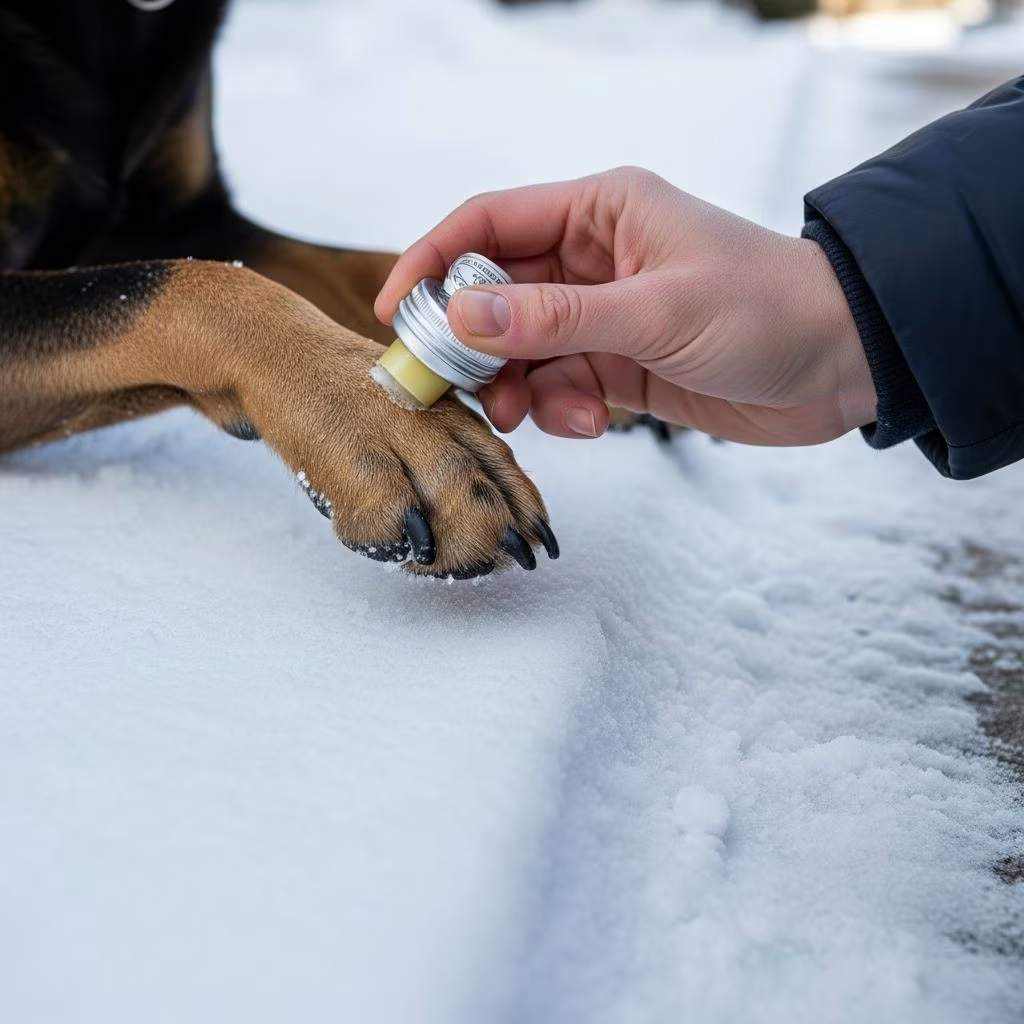
Winter brings joyful snowy adventures for dogs, but snow, ice, and road salts pose serious risks to their sensitive paw pads. These elements can cause cracking, irritation, chemical burns, and even toxicity if ingested, leading to pain and health issues. Protecting your dog’s paws requires proactive steps like using booties, paw balms, thorough cleaning, and monitoring for damage.
Why Snow, Ice, and Salt Harm Dog Paws
Dog paw pads, though tough, are vulnerable in winter. Cold temperatures and dry air cause pads to crack and dry out, increasing infection risk. Ice forms painful balls between toes, especially in furry breeds, leading to slipping and discomfort. Road salts and de-icers, used to melt ice on sidewalks, are abrasive and chemical-laden, lodging between toes to cause rashes, burns, and irritation. If licked off, they can lead to gastrointestinal upset or poisoning—some contain toxic ethylene glycol similar to antifreeze.
Concrete and pavement amplify damage: they retain extreme cold, causing frostbite in short-nosed or small breeds, while salts cut into cracks like salt in wounds. Indoor-outdoor temperature swings further dry pads, making moisturizing essential. Breeds like Bulldogs, Corgis, and those with allergies suffer most due to skin sensitivity and low stature exposing them to more salt spray.
5 Signs Your Dog’s Paws Need Immediate Care
Spotting paw distress early prevents escalation. Watch for these common winter indicators:
- Cracked or Dry Paws: Exposure to cold, dry air leads to fissures that bleed or infect easily.
- Excessive Licking/Chewing: Indicates irritation from salt, ice balls, or allergies; constant moisture worsens cracking.
- Limping or Reluctance to Walk: Signals pain from cuts, burns, or embedded salt crystals.
- Redness, Swelling, or Blisters: Chemical burns from de-icers cause blisters; seek vet care promptly.
- Ice Balls or Debris: Clumped snow between toes pulls fur and skin, causing tears.
Inspect paws after every walk. If symptoms persist, consult a vet to rule out infections or frostbite.
7 Proven Tips to Protect Dog Paws from Snow and Salt
Combine these strategies for comprehensive protection, tailored to your dog’s needs and tolerance.
1. Invest in High-Quality Dog Booties
Dog booties create a barrier against cold, salt, and ice, ideal for sensitive, senior, or small dogs. They prevent chemical contact, add traction to reduce slips, and keep paws warm. Choose waterproof, flexible boots with adjustable straps for a snug fit that allows circulation—avoid loose ones that slip off.
Introduce gradually: let your dog wear them indoors for short periods, rewarding with treats. Many dogs adapt quickly, turning walks into confident romps. For active breeds, select rugged options with grippy soles.
2. Wipe and Rinse Paws After Every Walk
Immediately post-walk, rinse paws with lukewarm water to dissolve salts and de-icers, then pat dry with a towel. Focus between toes to remove hidden grit. This prevents ingestion during licking and stops moisture-related chapping.
Keep a station by the door: bucket of warm water, towels, and treats. Trim fur between pads beforehand to minimize ice/salt buildup.
3. Apply Paw Balm or Wax for a Protective Barrier
Paw balms, waxes, or natural options like coconut oil form a waterproof shield, locking in moisture and repelling snow/salt. Apply before walks to prevent sticking and after cleaning to heal cracks. Musher’s wax, used by sled dogs, is non-toxic if licked.
Opt for vet-approved, natural formulas without petroleum. Massage into pads and nails for full coverage; reapply as needed.
4. Trim Paw Hair Regularly
Long fur traps snow and salt, worsening ice balls. Trim hair between pads and around toes short but not to skin, using pet clippers or groomer visits. This simple grooming reduces irritation and improves bootie fit.
5. Shorten Walks on Harsh Days
Limit exposure during extreme cold or heavy salting: opt for shorter, frequent outings. Small dogs risk hypothermia faster, so monitor paw temperature—lift if too cold to touch. Provide indoor play alternatives.
6. Choose Pet-Safe Ice Melts at Home
Avoid traditional rock salt; use calcium magnesium acetate or urea-based pet-safe de-icers. These minimize burns and toxicity while effectively melting ice.
7. Moisturize Indoors and Watch for Slips
Warm homes dry paws further—apply balm nightly. Oiled paws can slip on floors, so use rugs or non-slip mats.
| Method | Best For | Pros | Cons |
|---|---|---|---|
| Booties | Sensitive/senior dogs | Full barrier, traction | Adjustment period |
| Paw Balm | All breeds | Moisturizes, easy apply | Needs reapplication |
| Wiping/Rinsing | Daily routine | Removes toxins fast | Messy indoors |
| Trimming Fur | Furry breeds | Prevents buildup | Requires tools |
Dogs Most at Risk in Winter
- Sensitive skin breeds (Bulldogs, Shar-Peis)
- Low-to-ground (Corgis, Dachshunds)
- Urban walkers on salted paths
- Puppies/seniors with thin pads
Frequently Asked Questions (FAQs)
What if my dog refuses booties?
Train gradually with positive reinforcement. Start with short indoor sessions; many prefer balms as an alternative.
Is coconut oil safe for paws?
Yes, it’s natural, moisturizing, and non-toxic, but use sparingly to avoid slips.
How often should I check paws?
After every walk and daily for cracks/limping.
Can salt cause poisoning?
Yes, ingestion leads to vomiting/diarrhea; rinse immediately and call vet if symptoms appear.
What’s the best paw balm?
Look for natural, beeswax-based with shea butter; test for allergies.
Prevention is Key to Happy Winter Paws
Consistent care ensures your dog enjoys snow without suffering. Combine methods for best results, and consult vets for persistent issues. Healthy paws mean more tail-wagging adventures.
References
- Winter Walks: How to Protect Your Dog’s Paws from Ice and Salt — Volhard Dog Nutrition. 2023. https://www.volharddognutrition.com/protect-dog-paws-ice-salt
- How to Protect Your Dogs Paws from Salt, Snow, and Ice — Chipman Road Animal Clinic. 2024. https://www.chipmanroadanimalclinic.com/how-to-protect-your-dogs-paws-from-salt-snow-and-ice
- Winter Paw Care: How Salt and Snow Harm Paws — WagWell Pet. 2024. https://wagwellpet.com/blogs/wagwell-blog/winter-paw-care-how-salt-and-snow-harm-paws
- How to Protect Your Dog’s Paws in Winter — REI Expert Advice. 2023. https://www.rei.com/learn/expert-advice/how-to-protect-your-dogs-paws-in-winter.html



