

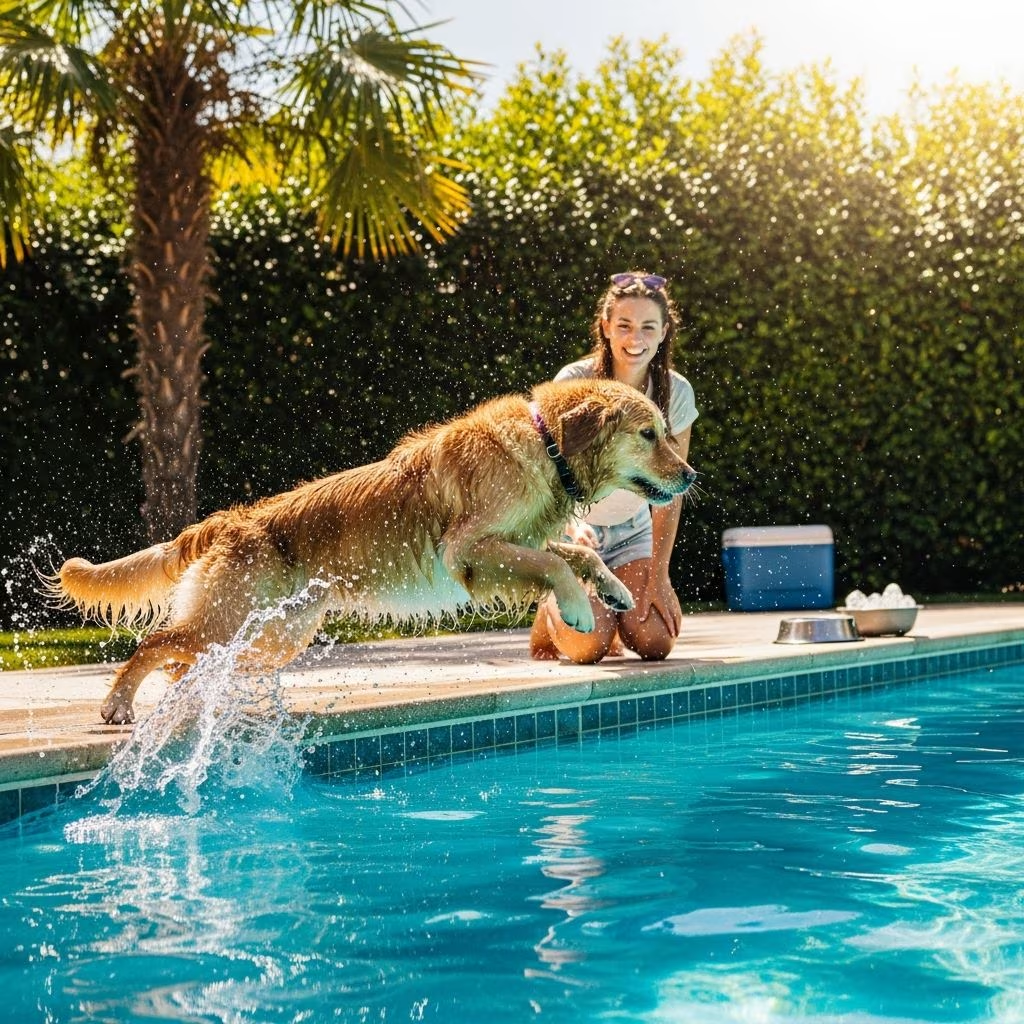
Dogs struggle to regulate body temperature in hot weather, making heat stroke a common and potentially fatal emergency. Unlike humans, dogs primarily cool through panting and paw pads, which often fails in high heat or humidity. This comprehensive guide covers recognizing signs, immediate treatment, and prevention strategies to protect your dog during summer.
What is Heat Stroke in Dogs?
Heat stroke, or hyperthermia, occurs when a dog’s body temperature exceeds 104°F (40°C), rising rapidly to dangerous levels above 106°F (41.1°C). It damages organs, causes clotting disorders, and can lead to death if untreated. Veterinary data shows mortality rates drop from 49% to 19% with prompt pre-hospital cooling.
Brachycephalic breeds like Pugs and Bulldogs, obese dogs, puppies, seniors, and those with heart or lung conditions are at highest risk due to impaired cooling.
Signs of Heat Stroke in Dogs
Early detection saves lives. Watch for these progressive symptoms:
- Excessive, rapid panting or breathing distress
- Bright red gums and tongue
- Increased heart rate
- Weakness, staggering, or collapse
- Excessive drooling or foaming at the mouth
- Vomiting or diarrhea
- Seizures, coma, or unconsciousness in severe cases
Temperatures above 103°F warrant monitoring; over 105°F requires immediate action. Check rectal temperature if possible.
First Aid for Heat Stroke: What to Do Immediately
Act fast—every minute counts. Cooling before veterinary care dramatically improves survival odds.
- Remove from heat: Move to a cool, shaded, ventilated area.
- Cool safely: Wet coat with cool (not cold) water on head, ears, neck, armpits, groin, and paws. Use a fan for evaporative cooling. Avoid ice, cold baths, or alcohol rubs—they cause vasoconstriction and shock.
- Monitor temperature: Every 5 minutes; stop active cooling at 103.5–104°F (39.7–40°C) to prevent hypothermia.
- Offer water: Small amounts if conscious; never force.
- Rush to vet: Even if improving, seek emergency care for IV fluids, monitoring, and organ support.
Do NOT: Cover with wet towels (traps heat), use ice, or delay professional help.
Veterinary Treatment for Heat Stroke
Hospitalization is standard. Vets provide:
- IV fluids for dehydration, shock, and internal cooling
- Oxygen therapy and airway support
- Medications: anti-nausea (Cerenia), gut protectants (famotidine, sucralfate), antibiotics for sepsis prevention, pain relief, anti-seizure drugs
- Blood tests for clotting, organ function; possible plasma transfusions
- Monitoring: temperature, heart rate, blood pressure, ECG
- ICU care for severe cases
Prognosis improves with rapid intervention, but survivors may face long-term issues like kidney damage.
How to Keep Your Dog Cool in Hot Weather
Proactive cooling prevents emergencies. Use these daily strategies:
- Hydration: Always provide fresh, cool water. Add ice cubes or frozen treats (pupsicles). Multiple bowls prevent spills.
- Shade and shelter: Never leave outdoors without shade. Use cooling mats, damp towels, or air-conditioned spaces.
- Water play: Paddling pools, sprinklers, or hose sprays for fun cooling.
- Grooming: Trim long fur (don’t shave to skin); never clip panting dogs.
- Frozen treats: Ice blocks with dog-safe ingredients like broth or fruit.
Heat Stroke Prevention Tips
Avoid risks with these evidence-based practices:
- Never leave in cars: Temps rise 20°F in 10 minutes, even with windows cracked.
- Exercise wisely: Early morning or evening walks only. Avoid hot pavement (test with hand: if too hot for 5 seconds, too hot for paws).
- Acclimation: Gradually expose to heat over 2 months; sudden changes increase risk.
- High-risk dogs: Brachycephalic surgery (e.g., airway correction) reduces vulnerability.
- Indoor safety: Fans, AC, frozen toys during heatwaves.
| Breed/Group | Risk Factors |
|---|---|
| Brachycephalic (Pug, Bulldog, Boston Terrier) | Short airways impair panting |
| Thick-coated (Husky, Malamute) | Heavy fur traps heat |
| Obese or senior dogs | Reduced cooling efficiency |
| Small breeds/puppies | High surface-to-volume ratio |
Dangerous Mistakes to Avoid
Common errors worsen outcomes:
- Ice baths: Cause shock.
- Hot cars/garages: Lethal in minutes.
- Over-exercising: Dogs won’t stop for you.
- Ignoring humidity: Worse than dry heat.
- Muzzles during heat: Block panting.
Frequently Asked Questions (FAQs)
Can dogs get heat stroke walking on hot pavement?
Yes, hot surfaces burn paws and reflect heat, causing rapid overheating. Walk only on cool grass or during low-heat times.
How long does heat stroke take to develop in dogs?
As little as 10-15 minutes in extreme conditions like cars; longer with exercise (30-60 minutes).
What temperature is dangerous for dogs?
Over 104°F rectal is concerning; 106°F+ is critical. Normal is 100-102.5°F.
Will my dog recover fully from heat stroke?
Many do with prompt care, but some suffer organ damage. Prevention is key.
Are cooling vests effective for dogs?
Yes, evaporative cooling vests help during activity; combine with shade and water.
References
- Heatstroke in Dogs — Today’s Veterinary Practice. 2023. https://todaysveterinarypractice.com/emergency-medicine-critical-care/todays-technician-heatstroke-in-dogs/
- Heat Stroke In Dogs – Signs, Symptoms & Treatment — Animal Emergency Service. 2024. https://animalemergencyservice.com.au/blog/heat-stroke-in-dogs/
- Heat Stroke in Dogs — VCA Animal Hospitals. 2024. https://vcahospitals.com/know-your-pet/heat-stroke-in-dogs
- Heatstroke in Dogs: Signs, Treatment, and Prevention — PetMD. 2024. https://www.petmd.com/dog/conditions/systemic/heatstroke-dogs
- Heatstroke in Dogs: Signs, Symptoms, Treatments — American Kennel Club (AKC). 2024. https://www.akc.org/expert-advice/health/heatstroke-in-dogs/
- Heatstroke: A medical emergency — Cornell University College of Veterinary Medicine. 2024. https://www.vet.cornell.edu/departments-centers-and-institutes/riney-canine-health-center/canine-health-information/heatstroke-medical-emergency



